How to cook basmati rice in a saucepan
Cook white basmati rice using a saucepan and sieve. Get quantities for two servings, a boil-and-drain method, and safe leftover-storage tips.
The how-to collection
Get comfortable with the everyday kitchen basics.
60 step-by-step guides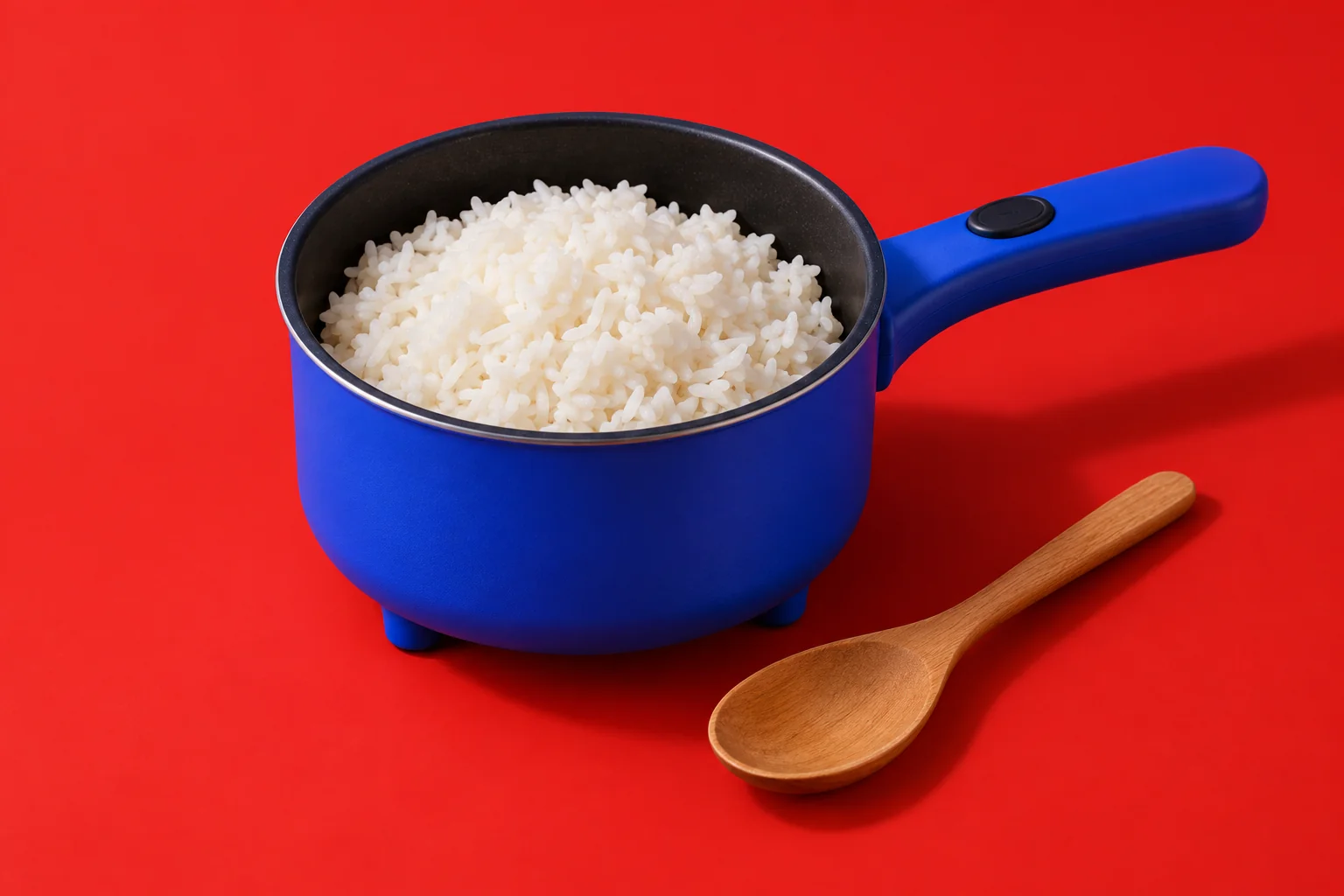
Cook white basmati rice using a saucepan and sieve. Get quantities for two servings, a boil-and-drain method, and safe leftover-storage tips.
Store cooked leftovers safely with clear refrigerator timings, shallow containers, and a 165°F reheating check. Includes a simple labeling routine.
Use a covered, off-heat method for large eggs, cool them promptly, and keep track of their refrigerator storage time.
Measure flour by weight or use a spoon-and-level method with a dry measuring cup. Avoid packing in extra flour and check your recipe’s own standard.
Use a US cup-to-tablespoon conversion table, calculate half and quarter cups, and avoid confusing volume with ingredient weight.
Freeze a cooled loaf or portioned slices, label the package, and thaw bread without repeatedly opening the whole supply.
Bring butter to a workable texture for baking, recognize when it is too soft, and avoid treating melted and softened butter as interchangeable.
Pop a small batch in a covered saucepan, listen for the finish, and season it while warm without trapping steam.
Juice fresh lemons, dissolve the sugar first, and adjust a measured pitcher until the sweetness and tartness suit you.
Cook bacon in the oven at 400°F with a rimmed sheet pan, clear timing checks, grease-handling tips and an optional microwave-cooker alternative.
Wash a wooden cutting board after use, dry it without trapping moisture, and condition dry wood with food-grade oil.
Clean the carafe and filter basket, remove coffee residue, and use the right descaling cycle for your drip coffee maker.
Wash greasy removable parts, protect the nonstick coating and clean the cooled air-fryer body without putting electrical parts in water.
Clean the cup tray and removable parts, distinguish a clog from scale, and find the right descaling sequence for your Keurig model.
Remove raised food debris from a cooled pizza stone, avoid soap and thermal shock, and distinguish ordinary staining from damage.
Build a small sourdough starter, feed by weight and use repeatable rise—not one burst of bubbles—to judge readiness.
Mix a manageable sourdough dough, use folds to build strength, judge fermentation and bake one crusty loaf in a suitable covered pot.
Mix an easy yeast dough, knead until smooth, let it rise and stretch it without tearing. Scale ingredients and check off each stage.
Mix rolled oats, yogurt and milk, refrigerate overnight and adjust the texture before serving. Use the ingredient checklist for single or double batches.
Cook evenly cut potatoes, drain them well and mash gently with warm milk and butter. Avoid the overmixing that makes potatoes gluey.
Cook a simple two-egg omelet, move uncooked egg to the pan and use a modest filling so it folds cleanly.
Press extra-firm tofu, dry the surface and brown it in a skillet. Choose the right tofu before using a press or adding sauce.
Rinse and dry shredded potatoes, spread a thin layer and let the crust form before turning. A dry surface is the key to a crisp result.
Use safely stored cooked rice, prepare ingredients first and stir-fry in manageable batches for a drier, more flavorful result.
Combine a simple dry pancake mix, add the wet ingredients when ready and use surface bubbles to judge the first flip.
Cut evenly, dry thoroughly and roast potato fries in one layer. Make crisp edges with a rimmed tray instead of a pot of frying oil.
Mix cornmeal and flour, combine gently with milk and egg, and bake until the center sets. Get a crisp edge without overmixing.
Whisk a thin batter, rest it, swirl a small amount in the pan and turn once the edges release. Use the first crepe to adjust heat.
Bake potatoes, rice the flesh and add flour with a light touch. Test one dumpling before shaping the whole batch.
Whip clean egg whites, add sugar gradually and dry small meringues gently. Check foam texture before piping.
Melt marshmallows gently, coat crisp rice cereal and press lightly into a prepared pan. Avoid the heat and pressure that make hard bars.
Turn a correctly sized cake mix into soft cookies with eggs and oil. Check the box weight and bake a test cookie before filling the tray.
Dry strawberries completely, melt chocolate gently and dip without introducing water. Let the coating set before refrigerating.
Make a cooked flour dough, add eggs after cooling and fry small ridged pieces with controlled oil temperature. Prepare your equipment before heating oil.
Simmer rice gently in milk, stir the bottom regularly and stop while the pudding is slightly loose. It thickens as it cools.
Warm cream and butter gently, add finely grated Parmesan off strong heat and loosen with pasta water. Avoid boiling the cheese.
Soften aromatics, simmer canned tomatoes and adjust the final texture. Make a useful small batch without treating it as shelf-stable canned sauce.
Simmer a small ketchup-based BBQ sauce, balance sweet and tangy flavors and keep finishing sauce separate from raw-meat brushes.
Cook equal weights of fat and flour into a smooth paste, choose a pale or blond finish and add liquid gradually for a lump-free sauce.
Simmer bones and aromatics gently, strain without crushing debris and cool the broth quickly in shallow containers.
Soften vegetables, simmer chicken in broth and add noodles near the end. Check the chicken temperature and keep extra noodles from soaking up stored soup.
Thinly slice onions, cover with a hot vinegar brine and refrigerate. These quick pickles are not a shelf-stable canning recipe.
Sear an evenly thick steak, finish it to a measured temperature and rest before slicing. Use a thermometer rather than color alone.
Prepare an evenly thick salmon fillet, bake on a rimmed tray and check the center with a thermometer. Time depends on thickness.
Even the thickness, brown gently and finish to 165°F without relying on a fixed time. Keep raw-chicken tools separate from the serving plate.
Cook pork ribs covered at gentle heat, check tenderness and add barbecue sauce near the end so the sugars do not burn.
Identify tenderloin, remove tough silver skin and roast to a measured 145°F with a rest. Pork loin is a different cut.
Dry sea scallops, use a hot roomy skillet and turn after a crust forms. Check doneness without leaving them in the pan unnecessarily.
Check whether crab legs are cooked or raw, steam without submerging and use crackers safely to remove the meat.
Season a small brisket flat, cook covered with liquid and wait for tenderness before slicing across the grain.
Roast spaghetti squash, check for tenderness and separate the strands with a fork. Learn how to avoid a watery serving bowl.
Rinse quinoa in a fine sieve, simmer gently and rest before fluffing. Learn what to do if the pot is still wet or the grains stay hard.
Choose the right lentil, rinse and simmer until tender. Brown and green lentils hold their shape; split red lentils soften much faster.
Trim woody ends, sort by thickness and cook asparagus until tender-crisp. A short covered steam followed by an uncovered finish keeps it simple.
Trim, halve and dry Brussels sprouts before roasting. Leave room on the tray so the cut sides brown instead of steaming.
Trim a globe artichoke, steam until tender and remove the inedible choke. Learn which part of each leaf to eat and how to reach the heart.
Peel and cut butternut squash safely, roast in a single layer and check for a tender center with browned edges.
Scrub, pierce and bake whole sweet potatoes on a rimmed tray. Check the center instead of relying only on the size or the clock.
Shuck corn, lower it into boiling water safely and cook just until the kernels are tender. Use tongs to drain each ear.
Separate seeds from pumpkin pulp, rinse, dry and roast gently. Check the center as well as the color for a crisp snack.