A wooden board can be an everyday workhorse. The useful routine is short: clean after food preparation, let it dry properly and condition the wood when needed.
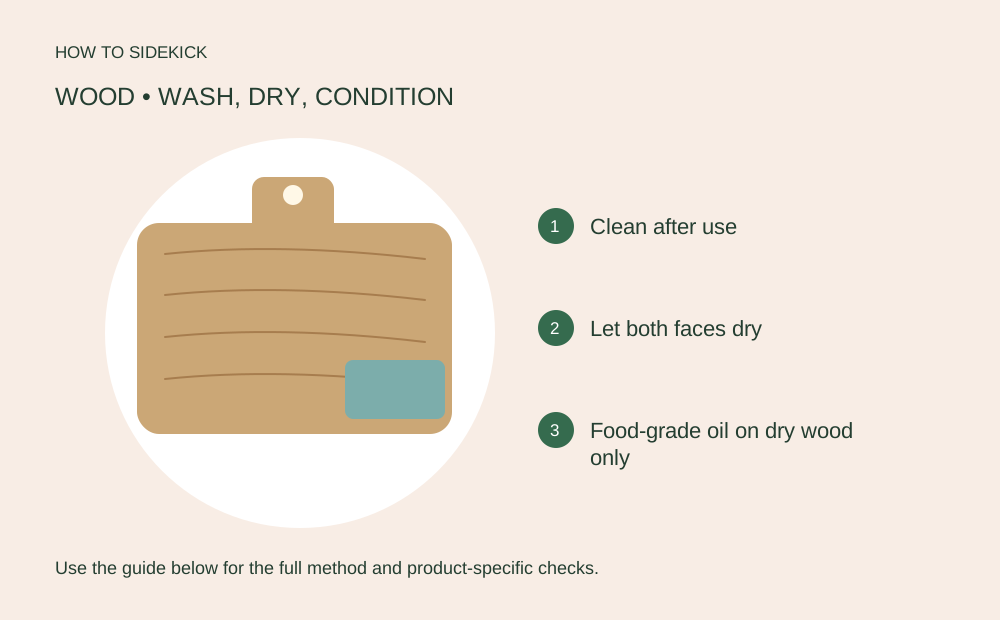
Wash with hot soapy water, rinse and dry promptly. Let both sides air out. When the clean board is fully dry and needs conditioning, use a cutting-board oil approved for food contact.
Go straight to the stepsYour project helper
Keep track as you go 0/4
Check off what you have verified. This list resets when you leave the page.
Before you begin
Check the board maker’s care label. Keep a separate board for raw meat, poultry and seafood to reduce cross-contamination. Oil is not a sanitizer.
What you’ll need
- Dish soap
- Clean cloth or sponge
- Dry towel
- Food-grade cutting-board oil if needed
Optional tools & supplies
Affiliate disclosure: We may earn a commission when you buy through these links. How our links work.
Use what you already have. Choose supplies that fit your task, and check instructions and current prices.
 Dawn Platinum Original dish soap, 56 ozLowe’s · Product
Use only where the surface or appliance maker permits dish soap. Follow dilution and rinsing directions.
 Rubbermaid Commercial microfiber cloths, 16-packLowe’s · Product
Use a clean cloth approved for the surface; keep dirty or gritty cloths away from delicate finishes.
 Howard food-grade cutting-board oil, 12 ozLowe’s · Product
For clean, dry food-contact wood. Conditioning oil does not replace washing or sanitizing.
Let’s do this
Step by step
- 01
Remove scraps and wash
Clear food into the trash. Wash the working surface, edges and other dirty areas with hot soapy water. Do not leave a wooden board soaking in the sink.
- 02
Rinse and dry both sides
Rinse off detergent and towel dry. Stand the board so air reaches both faces, with stable support so it cannot fall. A wet board flat on a counter can trap moisture underneath.
- 03
Decide whether sanitizing is needed
After contact with raw animal foods, follow a food-contact sanitizer label compatible with wood and the board’s instructions, including dilution, contact time and any required rinse. Never mix sanitizers with other cleaners.
- 04
Condition only once completely dry
Apply food-grade cutting-board oil with a clean cloth according to its label, then wipe off excess. Give edges attention too. Avoid ordinary cooking oils, furniture polish and oils not labeled for food-contact wood.
- 05
Inspect for damage
Replace a board with deep, hard-to-clean grooves, splits or other deterioration that prevents effective cleaning. Fresh oil cannot repair an unsafe cutting surface.
Cleaning, sanitizing and oiling are different jobs
Cleaning removes soil. Sanitizing follows cleaning when needed. Oiling conditions dry wood. Keep the bottles separate and do not combine these steps into one homemade mixture.
A simple storage improvement
Store the board upright or in a rack once dry, away from a constantly wet sink edge. That small change can make everyday care easier than another specialty cleaning product.
A quick final check
- Food residue removed
- Soap rinsed away
- Both sides fully dry
- Only food-contact oil used
Common questions & sticking points
Can it go in the dishwasher?
Only if its maker allows it. Heat and prolonged water exposure can damage glued or laminated boards, so hand washing is a good default.
How often should I oil it?
Use the board and oil manufacturers’ guidance and the condition of the wood. A dry, thirsty surface may need conditioning; a greasy surface needs excess oil removed.
Sources & further reading Optional
References used to check this guide. Follow your product’s own safety instructions where its design differs.
Last source check: September 24, 2026