A dull copper pot and a coated copper door fitting can look similar but need very different care. Identify the surface before reaching for polish.
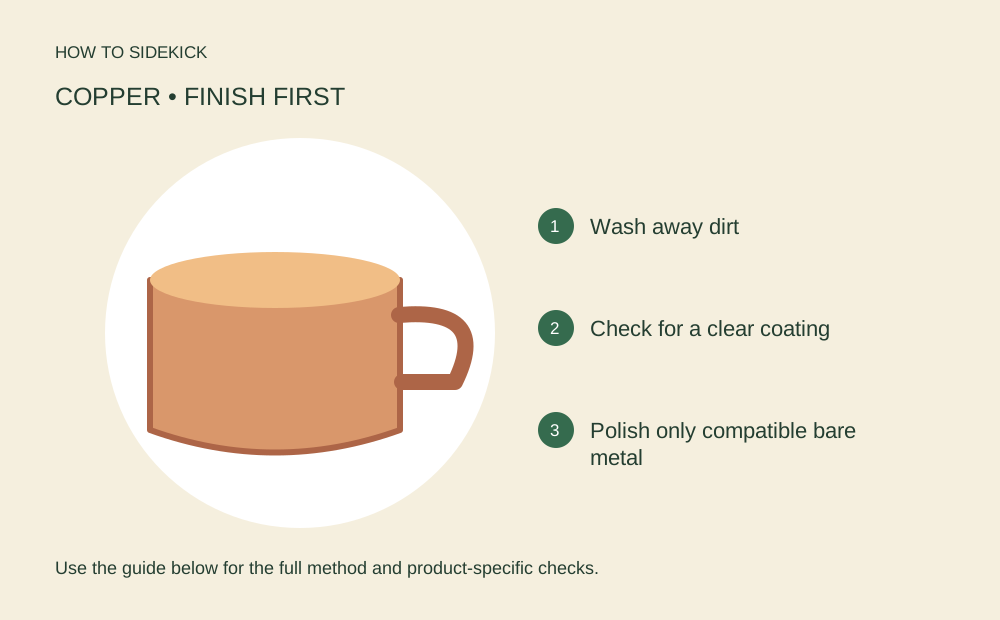
Start with mild dish soap and a soft cloth. Polish tarnish only on confirmed uncoated copper, using a cleaner approved for the object. A clear coating, a decorative patina and a food-contact lining need different treatment.
Go straight to the stepsYour project helper
Keep track as you go 0/4
Check off what you have verified. This list resets when you leave the page.
Before you begin
Work over a towel. Keep the item cool and unplug electrical objects. If an antique or valuable finish is involved, stop before polishing and ask a conservator.
What you’ll need
- Soft cloths
- Mild dish soap
- Water
- Optional copper-compatible polish
Optional tools & supplies
Affiliate disclosure: We may earn a commission when you buy through these links. How our links work.
Use what you already have. Choose supplies that fit your task, and check instructions and current prices.
 Rubbermaid Commercial microfiber cloths, 16-packLowe’s · Product
Use a clean cloth approved for the surface; keep dirty or gritty cloths away from delicate finishes.
 Dawn Platinum Original dish soap, 56 ozLowe’s · Product
Use only where the surface or appliance maker permits dish soap. Follow dilution and rinsing directions.
 BRASSO metal cleaner and polish, 8 ozLowe’s · Product
Only for finishes allowed on the label. Avoid lacquer, delicate plating and food-contact interiors unless expressly approved.
Let’s do this
Step by step
- 01
Identify what you are cleaning
Find the maker’s care instructions. A shiny surface may have a protective lacquer; copper-colored hardware may be plated. Do not scratch the surface to find out. Treat an unknown finish as coated until you can confirm otherwise.
- 02
Remove everyday dirt first
Wipe with a soft cloth and mild soapy water, keeping liquid away from electrical parts and joints. Remove soap with a clean damp cloth and dry. Inspect again: ordinary grime may have been the whole problem.
- 03
Test a suitable polish on bare copper
For confirmed uncoated copper, test an inconspicuous spot with a copper-approved cleaner. Follow its contact time and removal directions. Avoid abrasive pads and aggressive scrubbing; they can permanently change the surface.
- 04
Remove residue and dry
Follow the cleaner’s rinsing or buffing directions. Give seams and handles extra attention. Keep general metal polish away from cookware interiors unless its label expressly permits that food-contact use.
Decide whether tarnish needs removing
Brown or green coloring may be an intentional patina. Cleaning off grease does not require stripping that appearance. Take a photo before working so you can compare the finish after the first small test.
Choose supplies that match the finish
The cloths and soap below are for initial cleaning. Metal polish is an optional second step for a compatible bare-metal exterior, not an upgrade to use on every copper item.
A quick final check
- Finish identified
- Small area tested
- Soap or polish removed
- Item completely dry
Common questions & sticking points
Can I use the same cleaner inside a copper pan?
Not automatically. Tin, stainless steel and other linings have their own care instructions. Use the pan maker’s method for the cooking surface.
What if dark marks remain under a clear coating?
More rubbing may damage the coating without reaching the discoloration. Ask the maker about refinishing rather than escalating to acids or abrasives.
Sources & further reading Optional
References used to check this guide. Follow your product’s own safety instructions where its design differs.
Last source check: September 24, 2026