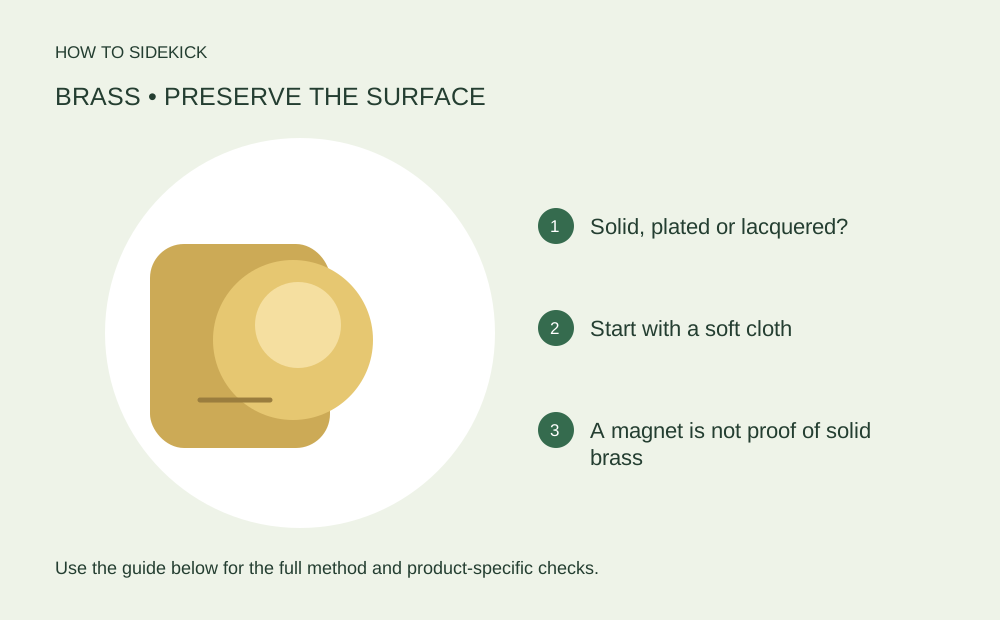
The first wipe should remove grime, not the finish. A little detective work matters more than choosing the strongest brass cleaner.
Wash away dirt gently before treating tarnish. Solid, uncoated brass may accept brass polish; plated, lacquered or unknown finishes call for gentler care and the manufacturer’s instructions.
Go straight to the stepsYour project helper
Keep track as you go 0/4
Check off what you have verified. This list resets when you leave the page.
Before you begin
Do not polish valuable antiques, instruments or precision mechanisms using a general household method. Remove an item only if you can do so without disturbing wiring or its operation.
What you’ll need
- Mild dish soap
- Soft cloths
- Water
- Optional brass-compatible metal polish
Optional tools & supplies
Affiliate disclosure: We may earn a commission when you buy through these links. How our links work.
Use what you already have. Choose supplies that fit your task, and check instructions and current prices.
 Rubbermaid Commercial microfiber cloths, 16-packLowe’s · Product
Use a clean cloth approved for the surface; keep dirty or gritty cloths away from delicate finishes.
 Dawn Platinum Original dish soap, 56 ozLowe’s · Product
Use only where the surface or appliance maker permits dish soap. Follow dilution and rinsing directions.
 BRASSO metal cleaner and polish, 8 ozLowe’s · Product
Only for finishes allowed on the label. Avoid lacquer, delicate plating and food-contact interiors unless expressly approved.
Let’s do this
Step by step
- 01
Check the material and coating
Look for a product label or maker’s instructions. A magnet sticking suggests a ferrous base, but a magnet not sticking does not prove solid brass. Do not use this test as permission to polish an unknown object.
- 02
Clean away surface dirt
Use a soft cloth with mild soapy water. Wipe rather than soak hardware with hidden joints or mechanisms. Remove the soap with a damp cloth and dry before judging the remaining marks.
- 03
Treat tarnish only on an approved surface
If the item is confirmed solid, uncoated brass, patch-test a brass-labeled polish. Use a light touch and the label’s application method. Stop if a different-colored base appears or the finish changes unexpectedly.
- 04
Buff and reassess
Remove all cleaner as directed and dry with a separate soft cloth. Check edges and engraving for residue. If tarnish sits beneath damaged lacquer, repeated polishing is unlikely to fix the coating.
What the optional polish is for
A metal polish removes tarnish; soap removes grime. They are not interchangeable steps. For a frequently handled door knob, first check its finish warranty and care label.
Keep a small record
Write down the brand of cleaner and which small area you tested. That gives you a repeatable routine instead of starting with a stronger product the next time the brass looks dull.
A quick final check
- Material and coating checked
- Gentle cleaning tried first
- Optional polish patch-tested
- Residue removed
Common questions & sticking points
Can brass plating be polished like solid brass?
No. A thin plated layer can wear away. Use the maker’s approved care method and avoid abrasive polishing.
Should brass always look bright gold?
No. Aged brass and living finishes are designed to change. Removing that patina can alter the appearance you paid for.
Sources & further reading Optional
References used to check this guide. Follow your product’s own safety instructions where its design differs.
Last source check: September 24, 2026