How to repot a houseplant without choosing a pot that is too big
Check whether a houseplant needs repotting, choose a modestly larger pot, and settle it into suitable potting mix with good drainage.
The how-to collection
Grow a little confidence, one leaf at a time.
27 step-by-step guides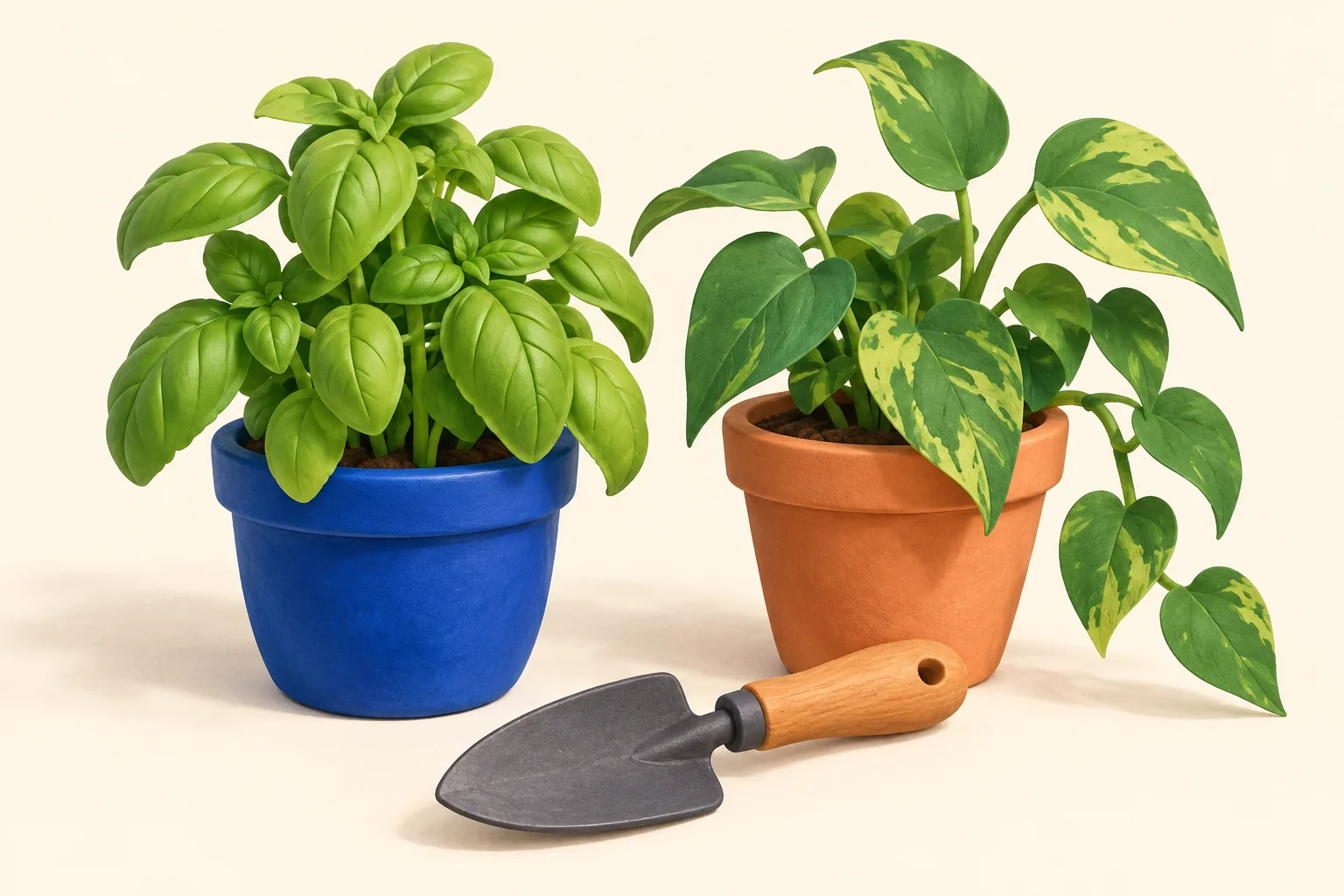
Check whether a houseplant needs repotting, choose a modestly larger pot, and settle it into suitable potting mix with good drainage.
Build a watering routine around the plant and potting mix instead of a fixed calendar. Check moisture, drain excess water, and notice changing conditions.
Start a potted basil plant with warmth, suitable light, drainage, and a simple watering and harvesting routine.
Gently clean dust from smooth houseplant leaves with a damp cloth, support delicate growth, and check for problems without adding shine products.
Turn a healthy basil shoot into a rooted plant, then move it into potting mix.
Compare seed-starting mix and container potting mix by texture, fertilizer content and intended use. Read the label before buying another bag.
Choose mulch, estimate how much you need and spread a shallow layer while leaving trunks and plant crowns clear.
Identify your hydrangea before pruning. Learn old-wood versus new-wood flowering, what to leave alone and how to make selective cuts.
Trim a reachable hedge evenly, preserve light to lower branches and choose shears or a trimmer for the plant and branch size.
Water a Phalaenopsis orchid according to its potting medium, drainage and roots, with a simple selector for bark versus moss.
Identify suckers, distinguish determinate from indeterminate tomatoes and choose how much pruning your support system actually needs.
Turn a healthy pineapple crown into a houseplant by cleaning the base, letting it dry and rooting it in a freely draining medium.
Sprout an avocado pit in water, pot the rooted seedling and grow it as a houseplant without expecting a quick fruit harvest.
Start a peach pit as a growing experiment using cold, moist stratification, then pot the seedling and plan for an unpredictable future tree.
Choose an onion suited to your day length, plant sets or transplants correctly and distinguish growing full bulbs from regrowing green tops.
Identify repeat-blooming, once-blooming and climbing roses before choosing what to cut, with practical guidance for a tidy, healthy framework.
Choose planting garlic, orient cloves correctly and plan watering, weeds and harvest around your local climate.
Start with certified seed potatoes, plant the eyes correctly and hill developing plants to keep tubers protected from light.
Choose a permanent asparagus bed, plant crowns with room for their roots and give new plants time to establish before harvesting.
Choose a tomato for your space, plant after cold weather passes and build a manageable watering and support routine.
Plant sweet potato slips in warm soil, help the new roots establish and give vines room to produce an autumn root crop.
Choose the right strawberry type, position the crown at soil level and manage flowers and runners for a healthier planting.
Find a pothos node, root a healthy cutting in water and pot it once roots develop. Avoid the leaf-only cutting mistake.
Keep snake plant leaf sections upright, root them in an airy medium, and choose division if you want to preserve yellow edges.
Locate a monstera node, take a healthy cutting, root it in water and move it to potting mix. A leaf without a node cannot make a complete new plant.
Give a Pachira money tree bright indirect light, a draining pot and a moisture-based watering routine. Diagnose wet soil before adding fertilizer.
Choose a manageable banana variety, give it sun and warmth, and plan winter protection before planting. Ornamental foliage does not guarantee fruit.