The orchid’s pot tells you more than a fixed watering day. Learn what bark, moss and drainage look like on your own plant.
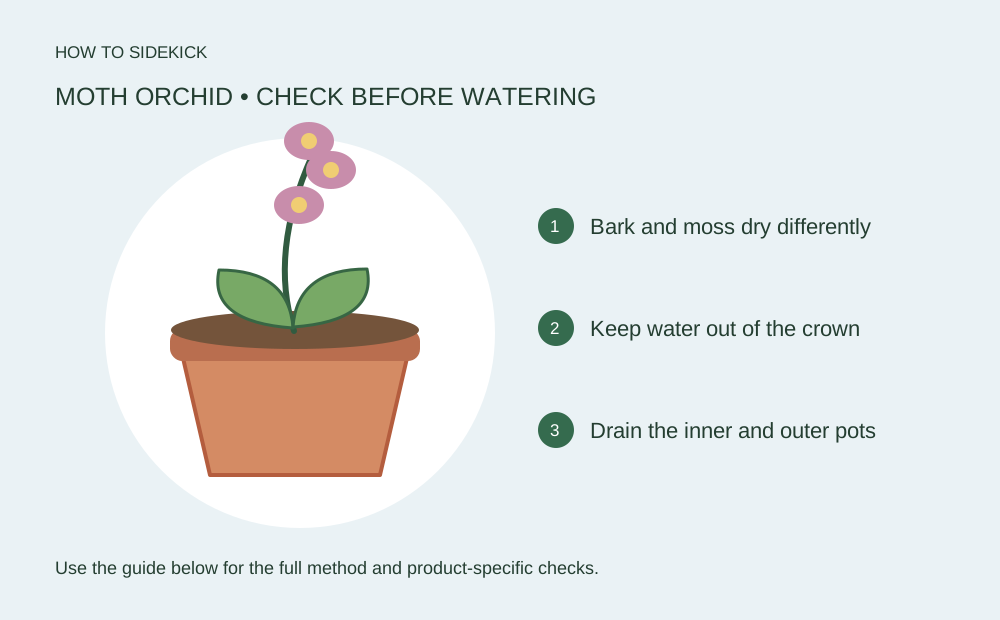
Give a moth orchid bright indirect light and water thoroughly as its medium approaches dryness, then let it drain. Keep water out of the crown and never leave the inner pot standing in a decorative pot full of water.
Go straight to the stepsYour project helper
Keep track as you go 0/4
Check off what you have verified. This list resets when you leave the page.
Before you begin
This guide is for Phalaenopsis, the common moth orchid. Other orchid groups have different drying requirements. Identify yours before applying this routine.
What you’ll need
- Pot with drainage
- Room-temperature water
- Optional orchid bark for repotting
- Clean scissors for dead roots only when repotting
Optional tools & supplies
Affiliate disclosure: We may earn a commission when you buy through these links. How our links work.
Use what you already have. Choose supplies that fit your task, and check instructions and current prices.
 Better-Gro orchid bark, 8 qtLowe’s · Product
An airy bark option for suitable orchids when repotting is needed. Match the medium to the orchid and pot.
 Corona Precision floral scissorsLowe’s · Product
For light stems and herbs within the tool’s capacity; clean before and after use.
Let’s do this
Step by step
- 01
Find bright, protected light
Use a bright window without harsh direct sun on the leaves. Keep the plant away from cold drafts and intense heat. Move it gradually when changing the light level.
- 02
Check the medium, not the calendar
Feel the bark or moss and compare the pot’s weight with its weight just after watering. Moss can stay wet much longer than coarse bark. Check several clues; exposed root color alone does not tell you how wet the center is.
- 03
Water the medium thoroughly
When it is nearly dry, lift the inner pot out of its decorative container and water at the sink. Let excess water run out. Do not leave water trapped where the leaves meet.
- 04
Drain before returning the pot
Let dripping finish and empty the outer pot. A wet bottom hidden by a cachepot can keep roots waterlogged even when the top looks dry.
- 05
Repot when the medium breaks down
Use an orchid-appropriate airy medium and a draining pot. During repotting, remove dead, soft roots with clean tools, preserving firm living roots. Ordinary dense potting soil is not a substitute for orchid bark.
A care check beats a weekly alarm
Set a reminder to inspect the plant rather than to pour water automatically. Note the pot weight and medium condition for a few checks; your room and pot determine how quickly it dries.
A quick final check
- Orchid type identified
- Medium checked
- Crown kept dry
- Outer pot emptied
Common questions & sticking points
Should I use ice cubes?
Use room-temperature water and the medium’s moisture as your guide. This makes it easier to water thoroughly and observe drainage.
Why are the flowers gone but the leaves still healthy?
Flowering ends naturally. Keep caring for the plant; loss of blooms alone does not mean the orchid is dead.
Sources & further reading Optional
References used to check this guide. Follow your product’s own safety instructions where its design differs.
Last source check: September 24, 2026