A hedge that is wider at the top shades its own lower foliage. Plan a slight taper and take modest cuts, stepping back frequently to judge the outline. This guide is for routine trimming of a small established hedge, not severe renovation or work beyond safe reach.
Identify the plant and timing, remove problem branches selectively, then trim lightly with the base wider than the top.
Go straight to the stepsBefore you begin
Inspect for nesting wildlife, wires and hidden obstacles before cutting. Stay on stable ground; do not use a powered hedge trimmer from an improvised ladder or near power lines.
What you’ll need
- Plant identification and pruning guidance
- Suitable hedge shears or trimmer
- Hand pruners for selected stems
- Eye protection and required hearing protection
- Tarp for clippings
Let’s do this
Step by step
- 01
Identify the species and season
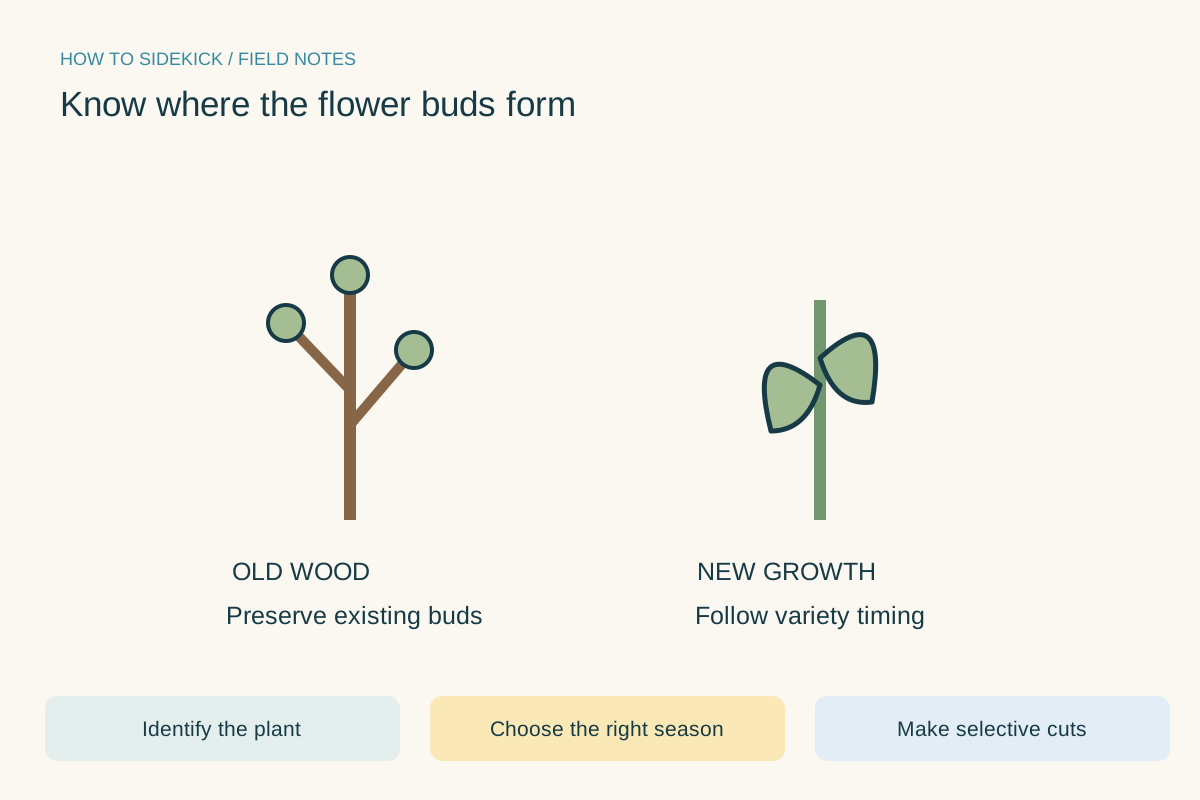
Check when the plant can be pruned and whether it regrows from old bare wood. Flowering shrubs may lose flowers if trimmed at the wrong time. Defer cutting around active nests and get species-specific advice before reducing an overgrown hedge severely.
- 02
Inspect and prepare the tools
Clear people, pets and loose obstacles from the work area. Inspect the shears or trimmer and read its capacity and operating instructions. Remove thick or damaged stems with a suitable separate tool rather than forcing them through a trimmer.
- 03
Set a modest target shape
View the hedge from both ends. Mark the intended height with a visual reference clear of the tool’s path. Keep the top a little narrower than the bottom so sunlight can reach the lower sides.
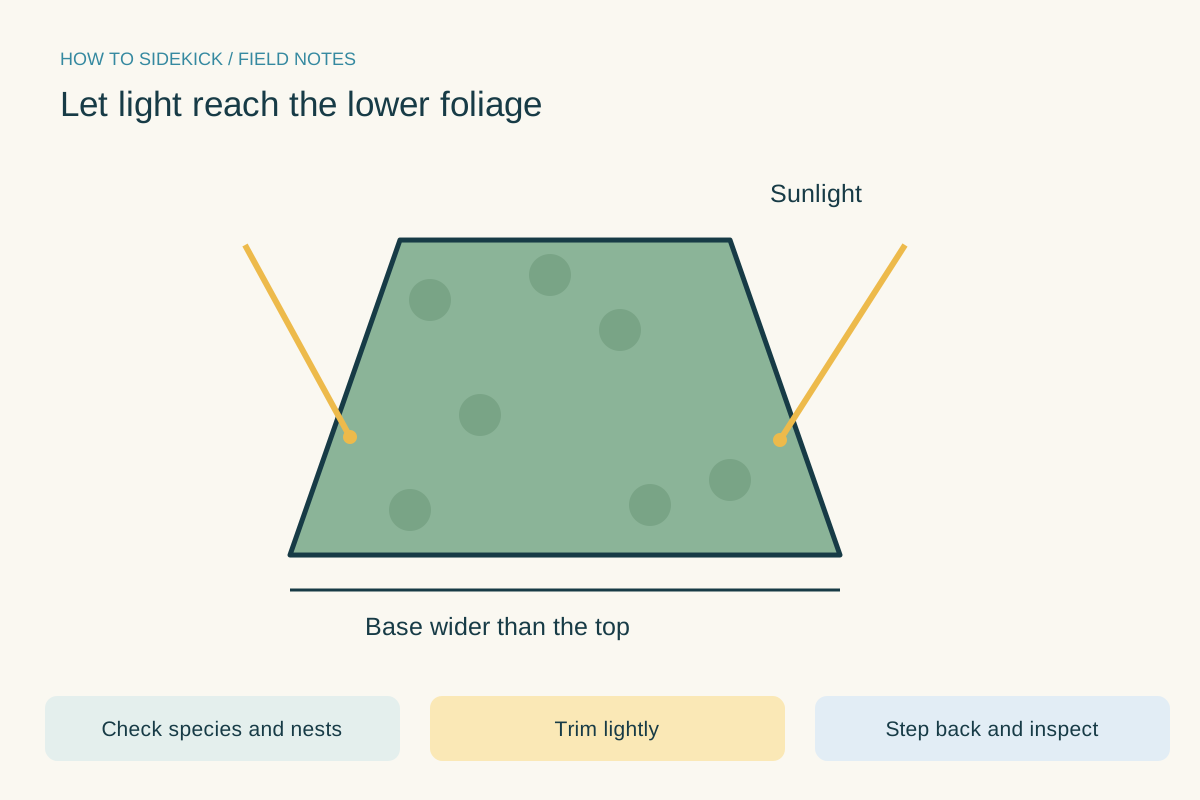
Let light reach the lower foliage. Use the instructions below for the full procedure.Open full-size image - 04
Trim sides, then the top
Work in controlled passes, taking small amounts. Keep powered tools below an unsafe reach and use the specified two-handed grip. Step back between sections. Stop and isolate the power before freeing a jam or reaching toward the blades.
- 05
Clear clippings and finish tools
Remove cut foliage from the hedge and ground so it does not hide the result. Inspect for missed tufts rather than making another deep pass everywhere. Clean and store the cutting tool as its manual directs, with the blade protected and power isolated.
Formal hedge or natural shrub?
Hedge shears shape a surface. They do not replace selective pruning inside every shrub. A naturally arching or flowering shrub may look and flower better with individual pruning cuts rather than constant shearing.
A quick final check
- Plant and timing checked
- Wildlife and obstacles checked
- Base wider than top
- Tool isolated for cleanup
Common questions & sticking points
Can I cut brown bare sections back harder?
Not without identifying the plant. Some evergreens will not recover well from cuts into old bare wood.
What if the hedge is taller than I can reach?
Use qualified help or equipment and a method designed for the job. Avoid balancing on steps with a powered cutting bar.
Sources & further reading Optional
References used to check this guide. Follow your product’s own safety instructions where its design differs.
Last source check: September 24, 2026