One pruning recipe cannot suit every rose. A short check of its flowering habit can save you from cutting away the blooms you wanted.
Remove dead or damaged wood and choose the timing by rose type. Repeat-blooming modern roses and once-blooming roses do not share one pruning schedule. Preserve a climber’s framework rather than cutting it like a compact shrub.
Go straight to the stepsYour project helper
Keep track as you go 0/4
Check off what you have verified. This list resets when you leave the page.
Before you begin
Wear thorn-resistant gloves and eye protection. Identify the rose and check local timing guidance before a major reduction.
What you’ll need
- Clean bypass pruners
- Gloves and eye protection
- Loppers for suitable larger canes
- Container for cuttings
Optional tools & supplies
Affiliate disclosure: We may earn a commission when you buy through these links. How our links work.
Use what you already have. Choose supplies that fit your task, and check instructions and current prices.
 Corona ComfortGEL bypass hand prunerLowe’s · Product
For live stems within its cutting capacity; clean the blades and follow plant-specific pruning guidance.
 Corona DualCUT 25-in bypass lopperLowe’s · Product
Choose by the stated branch-cutting capacity. Work from the ground; large, high or hazardous branches need qualified help.
 3M clear-lens safety glassesLowe’s · Product
Check the protection rating for the task. Safety glasses do not replace splash goggles or other required protection.
Let’s do this
Step by step
- 01
Identify the rose and flowering pattern
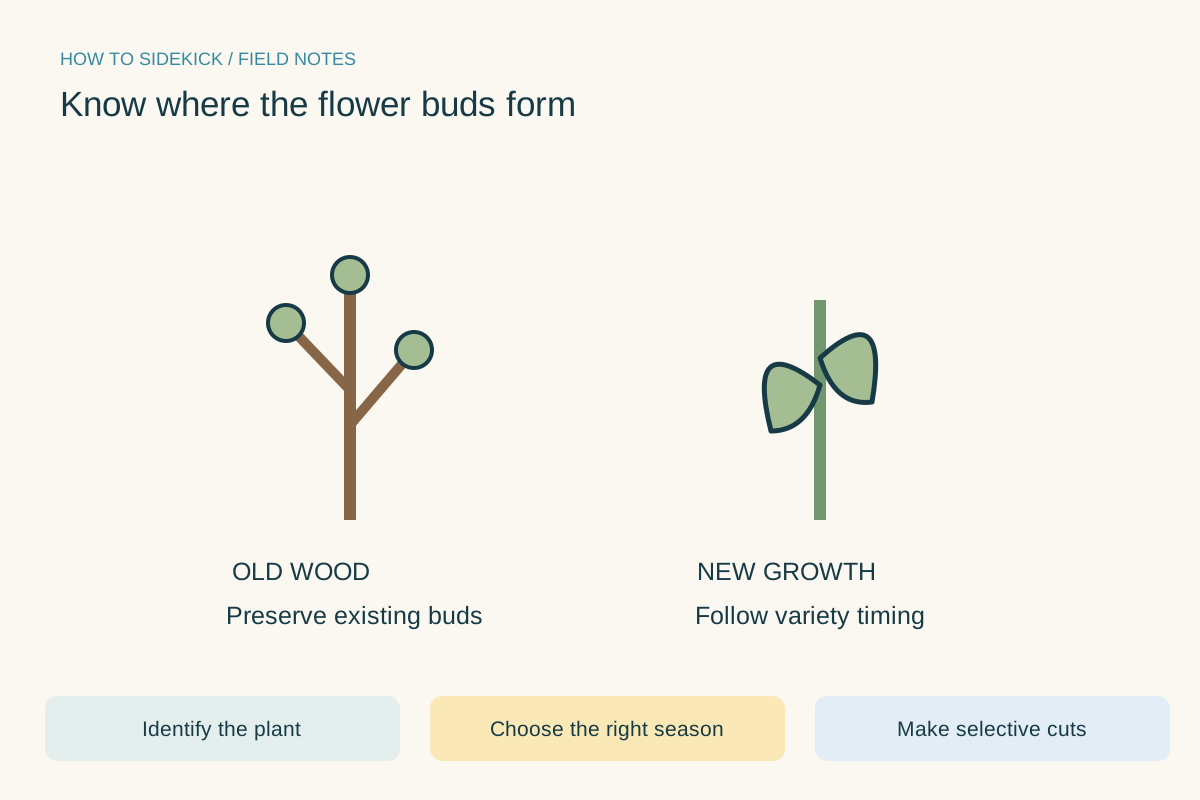
Look up the variety if possible. Once-blooming roses flower on older growth and are generally shaped after flowering; many modern repeat bloomers are pruned as spring growth begins.
- 02
Remove clearly dead and damaged wood
Use clean, sharp bypass pruners for stems within their rated capacity. Cut back dead or damaged growth to healthy tissue. Use a suitable larger tool rather than crushing a cane with undersized pruners.
- 03
Resolve rubbing and inward growth selectively
Choose which crossing cane to keep and remove the one causing trouble. Maintain a balanced structure. Do not automatically remove the same fraction of every rose regardless of age or type.
- 04
Make a clean cut above a suitable bud
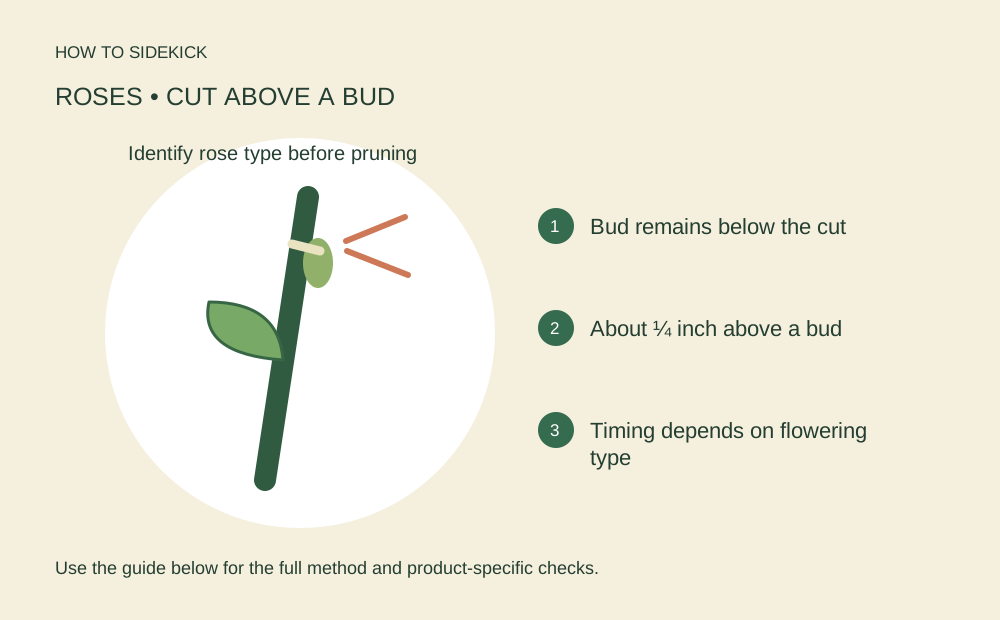
Where shortening a healthy cane is appropriate, cut about ¼ inch above an outward-facing bud, angled away. Avoid leaving a long dead stub or cutting into the bud itself.
- 05
Clear debris and watch the response
Collect cuttings and inspect the plant over the following weeks. Tie climbing canes to their supports as appropriate. Record the variety and date so next year’s pruning is easier to plan.
Deadheading is a separate choice
Removing spent blooms can suit repeat-flowering roses, but you may want to leave flowers that will form decorative hips. That choice does not require reshaping the entire shrub.
A quick final check
- Rose type identified
- Correct season chosen
- Dead wood removed
- Healthy buds and framework preserved
Common questions & sticking points
Can I prune every rose hard in spring?
No. Once-bloomers, climbers and modern shrub roses differ. Find the type before a severe cut.
Do I need loppers?
Only for suitable larger canes. Check the tool’s cutting capacity and avoid tearing stems with an undersized tool.
Sources & further reading Optional
References used to check this guide. Follow your product’s own safety instructions where its design differs.
Last source check: September 24, 2026