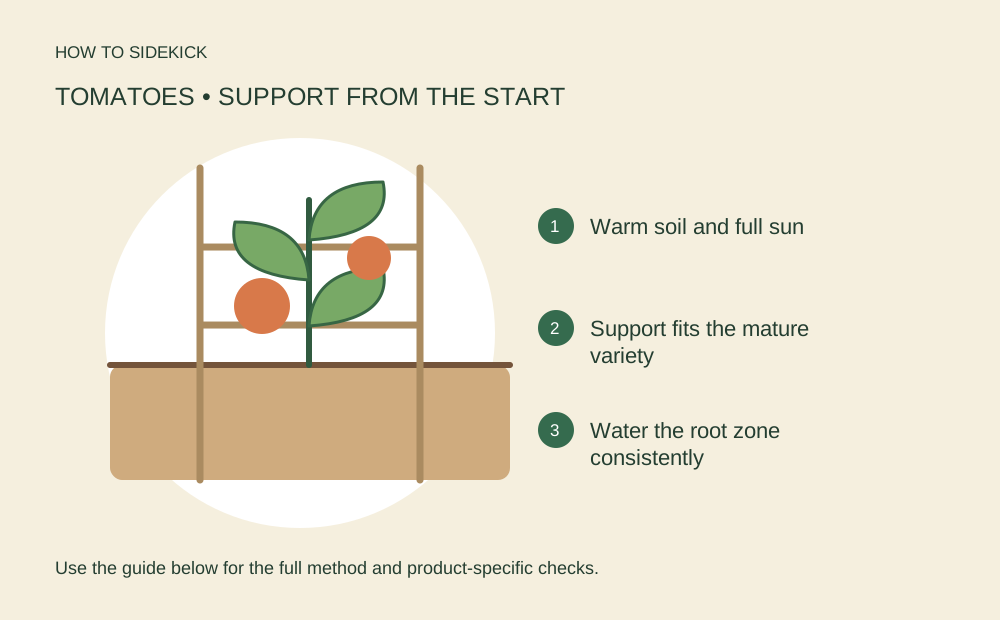
Before making a cut, decide what structure you want the plant to keep. Tomato pruning is a space-and-support choice, not a race to remove every shoot.
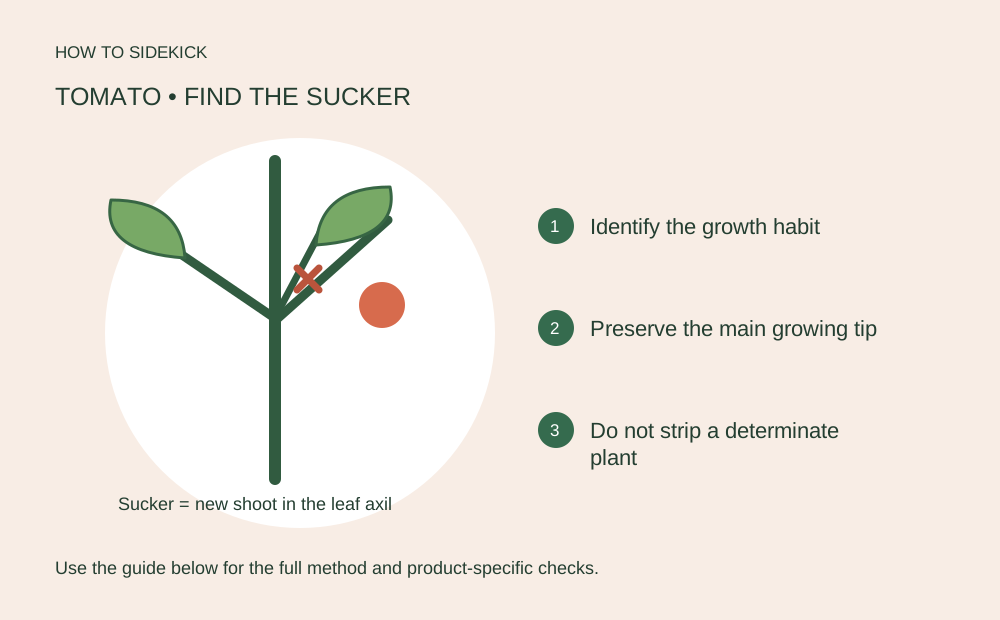
Check the variety first. Indeterminate tomatoes may benefit from selective sucker removal to suit their supports. Determinate tomatoes usually need little pruning; removing all their suckers can remove productive growth.
Go straight to the stepsYour project helper
Keep track as you go 0/4
Check off what you have verified. This list resets when you leave the page.
Before you begin
Pruning is optional, not a requirement for every tomato. Choose a dry day and clean tools. Do not cut by guessing which branch is a sucker.
What you’ll need
- Plant label
- Clean small pruners or garden scissors
- Support and soft plant ties
Optional tools & supplies
Affiliate disclosure: We may earn a commission when you buy through these links. How our links work.
Use what you already have. Choose supplies that fit your task, and check instructions and current prices.
 Corona ComfortGEL bypass hand prunerLowe’s · Product
For live stems within its cutting capacity; clean the blades and follow plant-specific pruning guidance.
 Corona Precision floral scissorsLowe’s · Product
For light stems and herbs within the tool’s capacity; clean before and after use.
Let’s do this
Step by step
- 01
Read the growth habit
Look for determinate, indeterminate or dwarf on the label. If unknown, start conservatively by removing only damaged growth and leaves touching soil.
- 02
Find the leaf axil
Follow the main stem upward. A sucker grows in the angle between a leaf stalk and the main stem. A flower cluster and the main growing tip are not suckers.
- 03
Choose a supported structure
For a staked indeterminate plant, select the main stem or stems you intend to keep. Remove small unwanted suckers while they are easy to handle. Do not strip a bush-type plant into a bare single stem.
- 04
Keep useful leaf cover
Remove soil-contacting or damaged foliage selectively, preserving healthy leaves around the fruit. Heavy sudden defoliation can leave fruit exposed. Work a little at a time rather than removing a mass of growth at once.
- 05
Tie and inspect again
Secure retained stems loosely to the support. Recheck growth during routine watering and repeat only the pruning your chosen structure needs.
The useful question is “What am I making room for?”
A cut should improve support, remove damaged tissue or address crowding. It does not automatically increase yield. Compare two similar plants before deciding that a more severe approach is worth repeating.
A quick final check
- Growth habit checked
- Sucker correctly identified
- Flower clusters preserved
- Healthy leaf cover retained
Common questions & sticking points
Do all suckers steal fruit production?
No. They can become fruiting stems. Whether to retain them depends on variety, space and support.
Should I prune a determinate tomato heavily?
Usually no. Much of its crop develops over a limited period, so extensive pruning can reduce production.
Sources & further reading Optional
References used to check this guide. Follow your product’s own safety instructions where its design differs.
Last source check: September 24, 2026