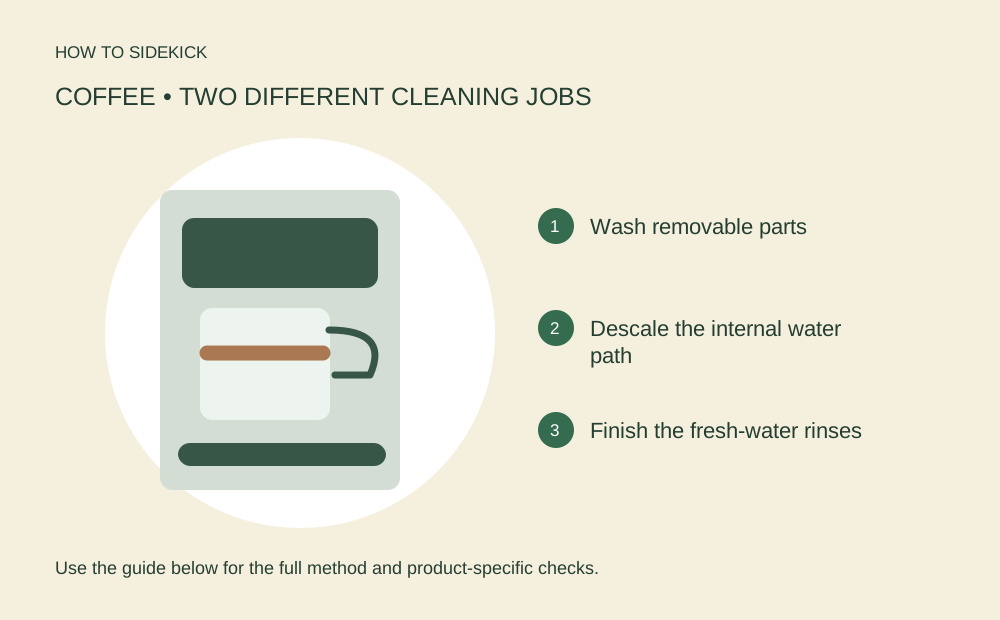
Yesterday’s grounds and mineral deposits cause different problems. Separating those jobs makes a coffee-maker cleanup much easier to follow.
Wash removable coffee-contact parts and wipe the cooled base. Descale the internal water path separately using the cleaner, dilution and cycle specified for your model. Finish with its required fresh-water rinses.
Go straight to the stepsYour project helper
Keep track as you go 0/4
Check off what you have verified. This list resets when you leave the page.
Before you begin
This guide is for drip coffee makers, not espresso machines. Unplug and cool the appliance before hand cleaning. Never immerse the powered base.
What you’ll need
- Mild dish soap
- Soft cloth
- Fresh water
- Model-approved descaler or vinegar if permitted
- Coffee-maker manual
Optional tools & supplies
Affiliate disclosure: We may earn a commission when you buy through these links. How our links work.
Use what you already have. Choose supplies that fit your task, and check instructions and current prices.
 Rubbermaid Commercial microfiber cloths, 16-packLowe’s · Product
Use a clean cloth approved for the surface; keep dirty or gritty cloths away from delicate finishes.
 Dawn Platinum Original dish soap, 56 ozLowe’s · Product
Use only where the surface or appliance maker permits dish soap. Follow dilution and rinsing directions.
Let’s do this
Step by step
- 01
Empty and take out removable parts
Discard grounds and the used paper filter. Remove the carafe, lid and brew basket as your manual permits. Notice how each part sits before taking it apart.
- 02
Wash away coffee oils
Hand wash compatible removable parts with mild dish soap, rinse thoroughly and dry. Use a dishwasher only for parts specifically marked safe. Soap belongs on washable parts, not in the brewing reservoir.
- 03
Wipe the base and warming plate
With the machine unplugged and cool, wipe accessible surfaces using a slightly damp cloth. Keep moisture out of controls and electrical openings. Check that no grounds block the basket’s outlet.
- 04
Run the model’s descaling routine
Reassemble first. Remove a water-filter cartridge if instructed, add only the approved solution and start the prescribed clean or brew cycle without coffee. Do not assume one vinegar recipe fits every brand.
- 05
Complete every rinse cycle
Discard the cleaning liquid and run fresh water as directed. Finish the complete process even if the carafe looks clean. Refit the filter as instructed and note the cleaning date.
Match the symptom to the job
Oily residue in a basket calls for washing. Mineral scale inside the water path calls for descaling. A cracked carafe, leaking base or electrical fault needs repair or replacement, not a stronger cleaning solution.
Make the next cleanup easier
Empty grounds promptly and let washed parts dry between uses. Keep your model number with the cleaning supplies so you can quickly find its cycle instructions again.
A quick final check
- Appliance cooled before wiping
- Washable parts rinsed
- Correct descaling method selected
- Fresh-water rinse sequence finished
Common questions & sticking points
Can I use vinegar?
Some drip coffee makers permit it; others specify a proprietary descaler. Check the exact model before choosing a mixture.
Why does coffee taste like cleaner afterward?
The rinse sequence may be incomplete. Repeat only the fresh-water rinses allowed by the manual before brewing coffee; do not add another chemical to mask it.
Sources & further reading Optional
References used to check this guide. Follow your product’s own safety instructions where its design differs.
Last source check: September 24, 2026