Spaghetti squash makes strands when its cooked flesh is scraped gently. It will still taste and feel like a vegetable; it is not identical to wheat pasta. A dry roasting method helps keep the strands from becoming soggy.
Halve a washed spaghetti squash on a stable board, remove the seeds and roast cut-side down at 400°F until just tender. Rest briefly, then scrape across the flesh with a fork.
Go straight to the stepsYour project helper
Follow the steps and check them off as you go →Before you begin
The rind is hard. Stabilize the squash before cutting and keep your other hand out of the blade path. If you cannot cut it safely, buy pre-cut squash or ask for help rather than forcing the knife.
What you’ll need
- Stable cutting board
- Sharp chef’s knife
- Spoon
- Rimmed baking sheet
- Fork
- Oven mitts
Measure before you start
Ingredients
Base batch: 2–4 side portions
Ingredient amounts scale; oven temperatures and cooking times do not. Split a larger batch between pans when needed.
Use the base batch for your first attempt. Adjust seasoning to taste and check texture as you cook.
Let’s do this
Step by step
- 01
Wash and split
Scrub the outside under running water and dry. On a stable board, halve lengthwise with controlled cuts. Scoop out seeds and loose stringy material with a spoon.
- 02
Prepare a dry roast
Heat the oven to 400°F. Brush the cut flesh lightly with oil, season and place the halves cut-side down on a suitable rimmed tray. Do not add a pool of water for this method.
- 03
Check the flesh
Roast about 30–45 minutes, checking early for a small squash. Turn carefully with mitts and a utensil; the flesh should yield to a fork while retaining some structure.
- 04
Release the strands
Rest until safe to handle. Drag a fork gently across the cooked flesh to loosen strands. Stop at the rind rather than scraping hard pieces into the food.
- 05
Finish without extra water
If moisture collects, drain briefly before seasoning or adding a modest amount of sauce. Serve promptly; too much sauce can hide the strand texture.
Checks stay on this page while you work and reset when you leave.
Catch it before it becomes mushy
Start checking when the rind begins to yield. Leaving a fully tender squash in the oven will soften the strands further. Size and age affect cooking time, so use the fork test.
Serve now or store safely
Refrigerate perishable cooked food in shallow containers within 2 hours, or within 1 hour when the room or outdoor temperature is above 90°F. Keep the refrigerator at 40°F or below. Use most cooked leftovers within 3–4 days and reheat to 165°F. Do not wait for a large pot to cool completely on the counter.
A quick final check
- Wash and split
- Prepare a dry roast
- Check the flesh
- Release the strands
- Finish without extra water
Common questions & sticking points
Can I save the seeds?
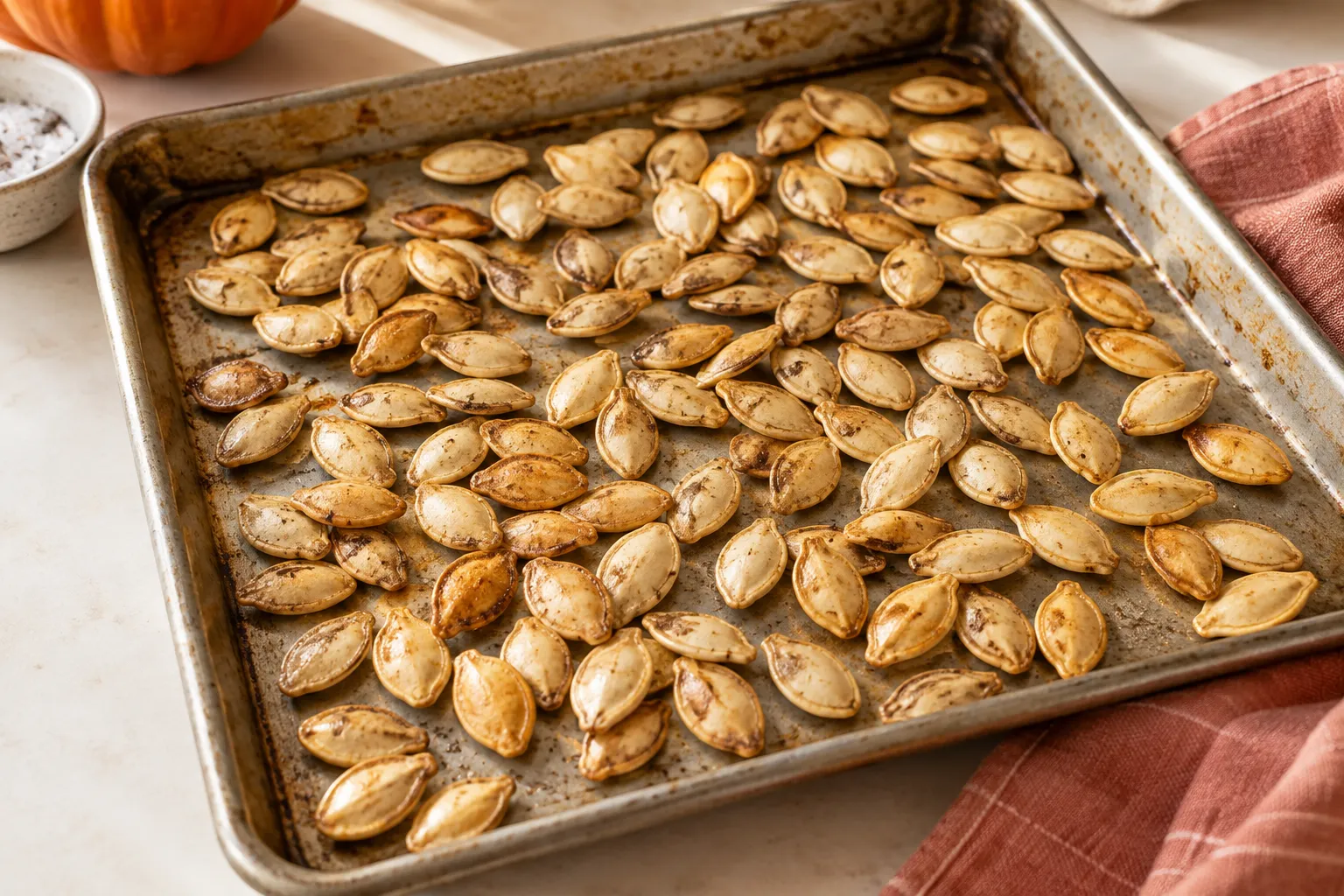
Yes. Separate them from the pulp and use a suitable squash-seed roasting method.
Why is it watery?
Squash naturally releases moisture. Overcooking, added roasting water or a watery sauce can increase it.
Sources & further reading Optional
References used to check this guide. Follow your product’s own safety instructions where its design differs.
Last source check: September 24, 2026