In “How to cook scallops with a browned surface”
Why are they rubbery?
They may have cooked too long. Dry well, brown efficiently and check doneness early.
754 useful answers · Page 31 of 32
Build confidence with ingredients, simple techniques, and kitchen tools.
Search this topicIn “How to cook scallops with a browned surface”
They may have cooked too long. Dry well, brown efficiently and check doneness early.
For thawed commercially cooked crab legs, steam in a covered pot above simmering water until heated through, following package guidance. Crack carefully and remove shell fragments before eating.
In “How to steam crab legs at home”
Boiling is another method, but this guide steams above the water. Avoid mixing the two timings.
In “How to steam crab legs at home”
Read the label. Appearance alone is not a dependable way to identify processing status.
Sear if desired, place brisket with aromatics and liquid in a covered pan and cook at 300°F until probe-tender. Rest, identify the grain and slice across it.
In “How to cook brisket in the oven with a covered braise”
Connective tissue needs additional time in a gentle moist cook. Safety and tenderness are separate checks.
In “How to cook brisket in the oven with a covered braise”
Look for the long muscle fibers and cut across them, not parallel to them.
Halve a washed spaghetti squash on a stable board, remove the seeds and roast cut-side down at 400°F until just tender. Rest briefly, then scrape across the flesh with a fork.
In “How to cook spaghetti squash and separate the strands”
Yes. Separate them from the pulp and use a suitable squash-seed roasting method.
In “How to cook spaghetti squash and separate the strands”
Squash naturally releases moisture. Overcooking, added roasting water or a watery sauce can increase it.
Rinse 1 cup quinoa, combine with about 2 cups water and simmer covered until tender and absorbed, about 15 minutes. Rest off heat for 5 minutes, then fluff with a fork.
In “How to cook quinoa so it fluffs instead of clumps”
Follow the package. An extra rinse is optional if it is labeled pre-rinsed, but it may help if you notice bitterness.
In “How to cook quinoa so it fluffs instead of clumps”
Yes. Adjust added salt to the broth and use its storage instructions after opening.
Sort and rinse brown or green lentils, cover generously with water and simmer gently until tender, often 20–30 minutes. Drain remaining liquid and season after checking the texture.
In “How to cook lentils for salads, bowls or soup”
Age, variety and acidic cooking liquid can affect softening. Continue gently with enough water and add tomatoes or vinegar after they are tender.
In “How to cook lentils for salads, bowls or soup”
Canned lentils are already cooked. Drain or rinse as desired and warm them rather than repeating a full dry-lentil cook.
Trim washed asparagus, add a little water to a skillet and steam briefly with the lid on. Uncover, let the water evaporate and finish with oil, salt and lemon.
In “How to cook asparagus in a skillet”
Not always. Peeling the lower part is useful on thick, fibrous stalks; most thin tender spears need only trimming.
In “How to cook asparagus in a skillet”
Yes. Dry well, toss lightly with oil and roast on a roomy tray, checking according to thickness. The skillet timing here does not apply to the oven.
Toss trimmed, halved Brussels sprouts with oil and seasoning. Arrange cut-side down on a roomy tray and roast at 425°F until browned outside and tender inside, about 20–30 minutes.
In “How to roast Brussels sprouts with browned edges”
A crowded tray or wet sprouts hold moisture. Dry well and spread the pieces apart.
In “How to roast Brussels sprouts with browned edges”
They release more moisture and need a method designed for frozen vegetables. Expect a softer result than fresh halved sprouts.
Trim globe artichokes and steam over simmering water until a leaf pulls out easily and the base is tender. Eat the soft leaf bases, remove the fuzzy choke and enjoy the heart.
In “How to cook and eat a whole artichoke”
Remove and discard the fibrous choke from a mature globe artichoke before eating the heart.
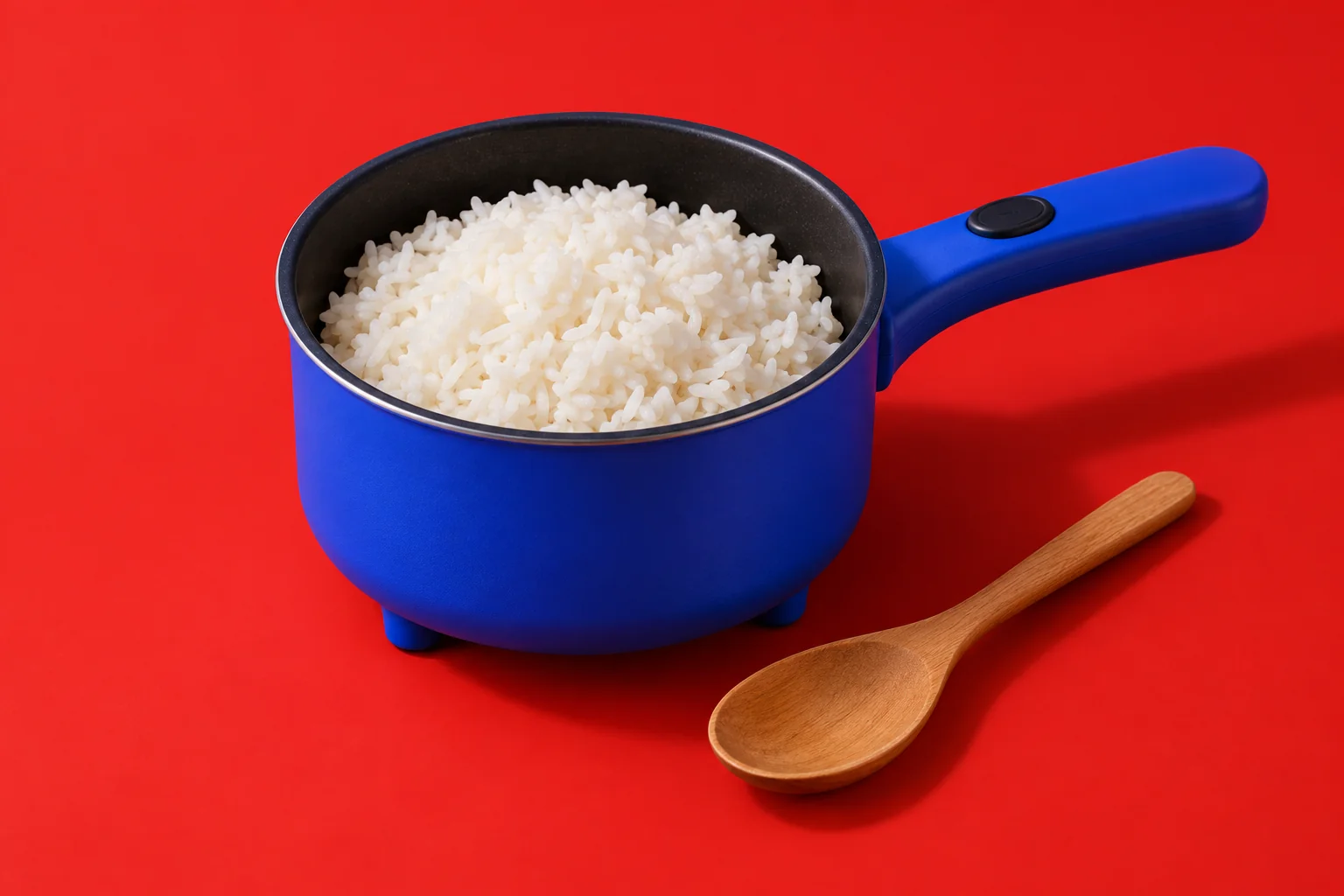 How to cook basmati rice in a saucepanAbout 20 minutes
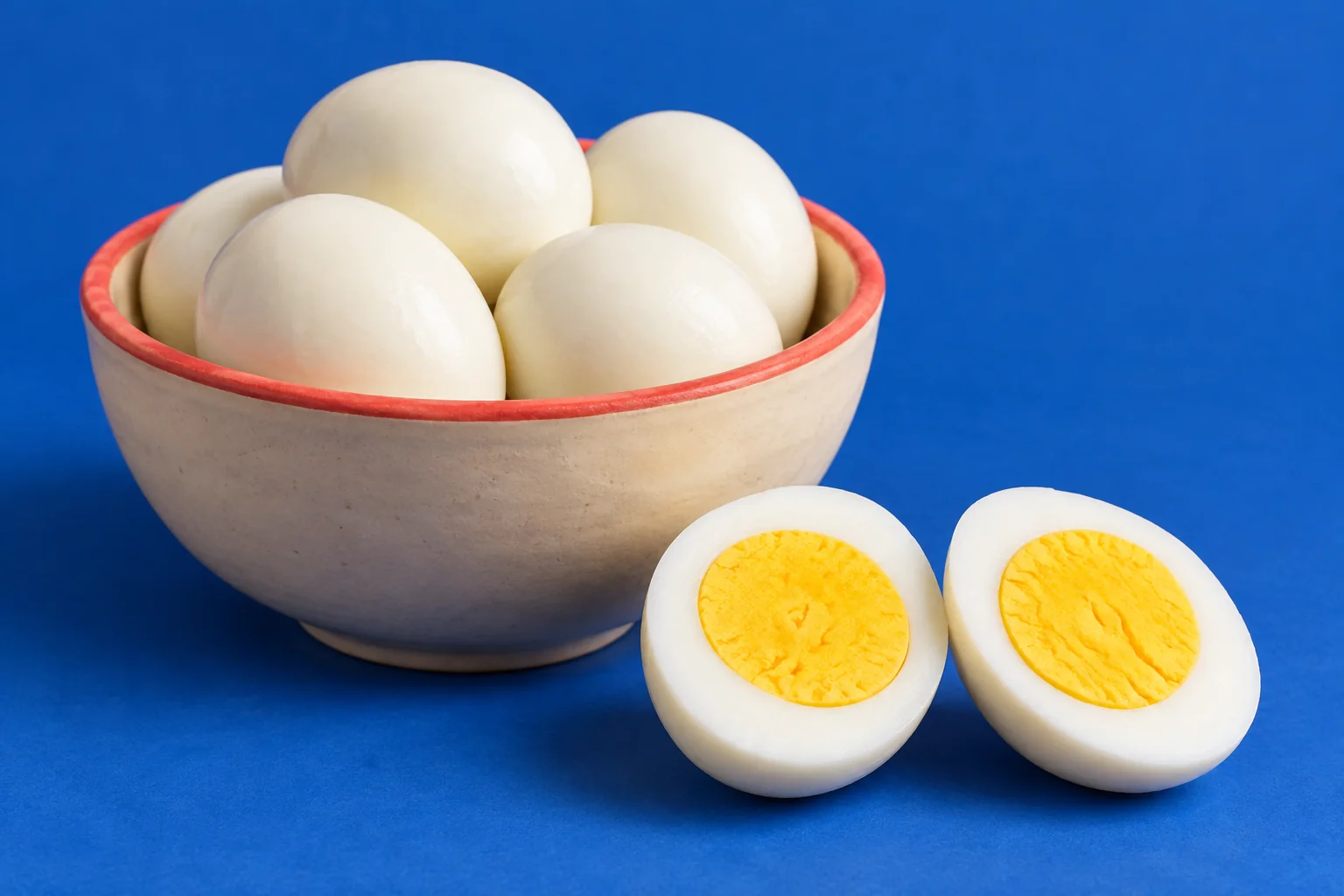 How to boil eggs: a simple hard-boiled methodAbout 25 minutes, including cooling
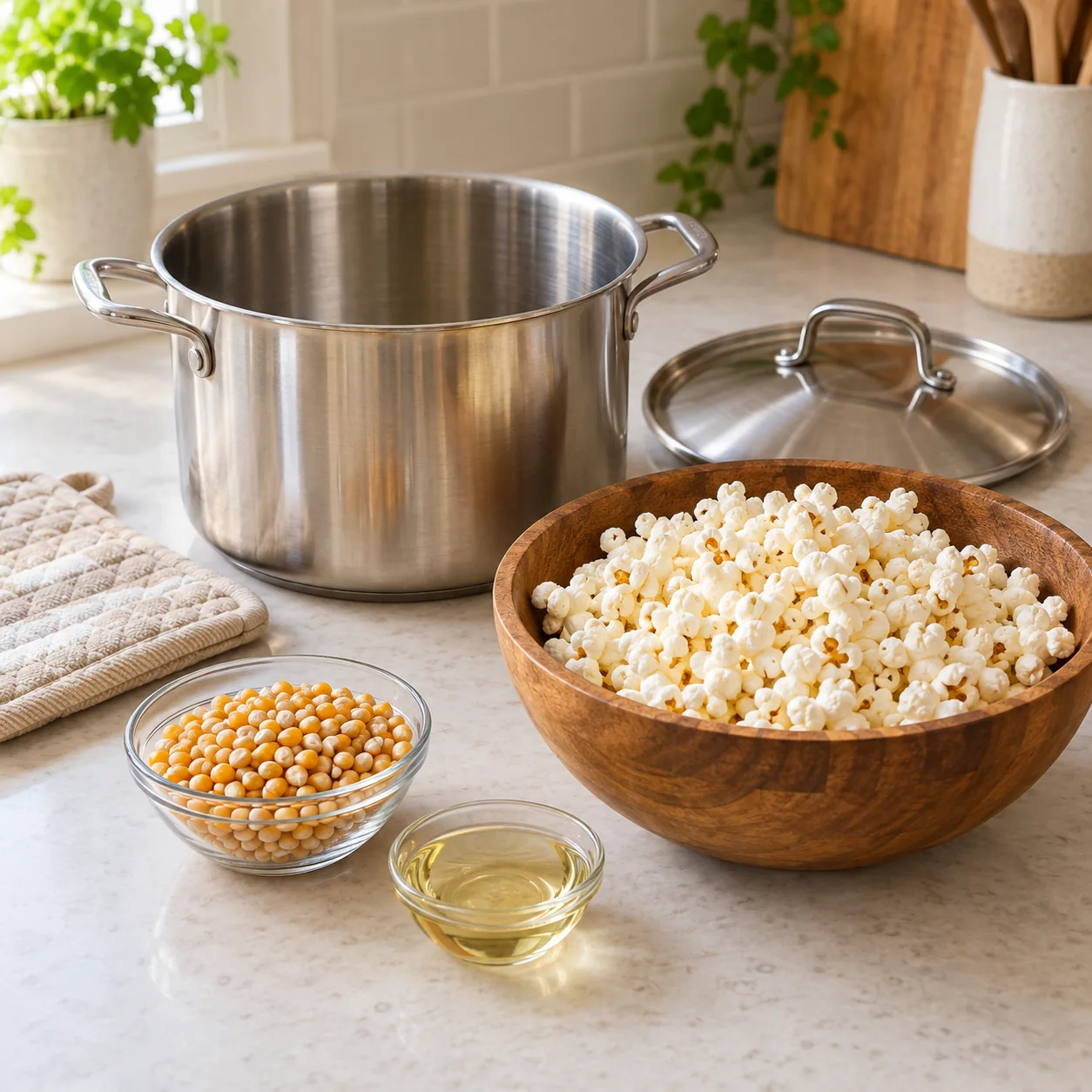 How to make stovetop popcorn that stays crispAbout 10 minutes
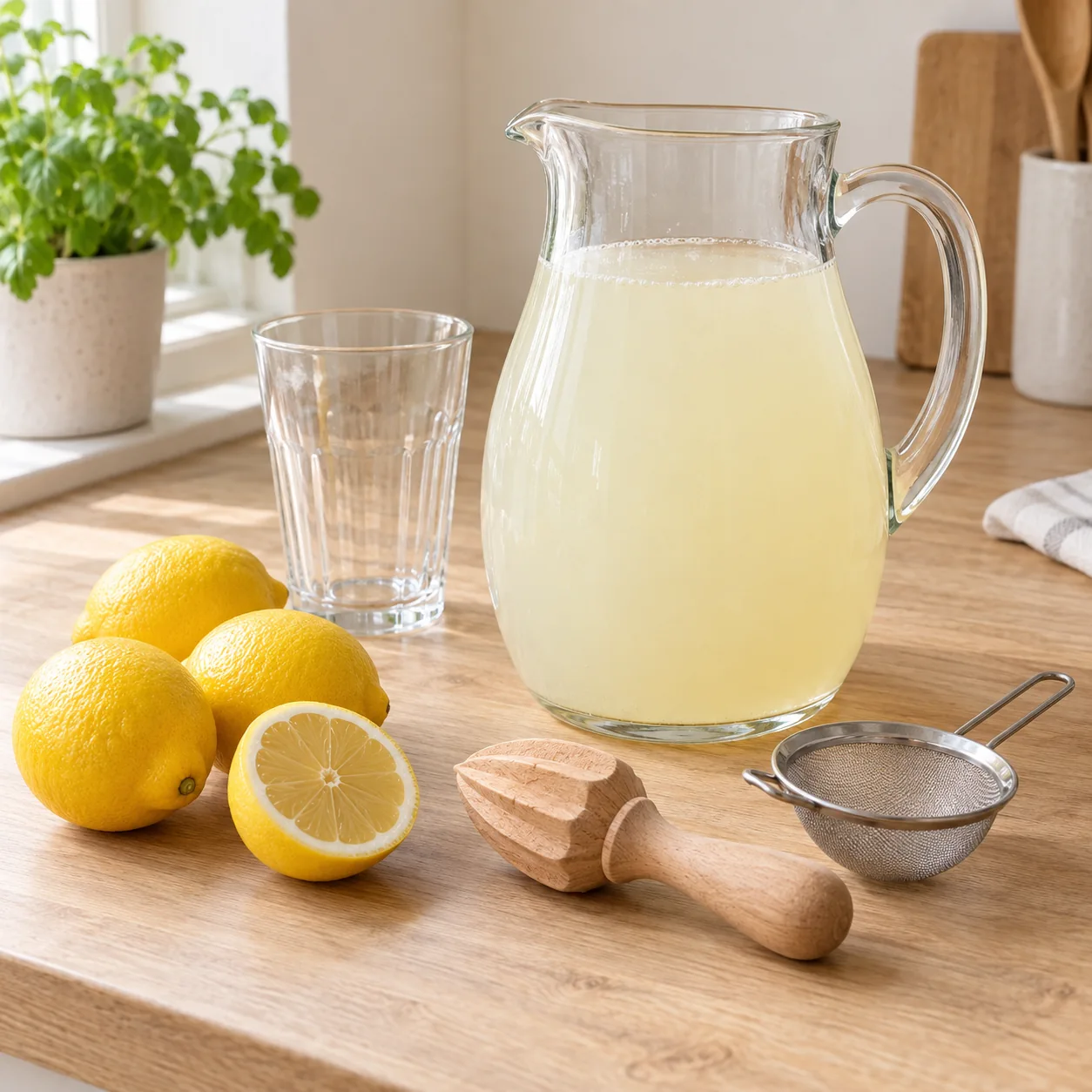 How to make homemade lemonade with evenly dissolved sugar15 minutes, plus chilling
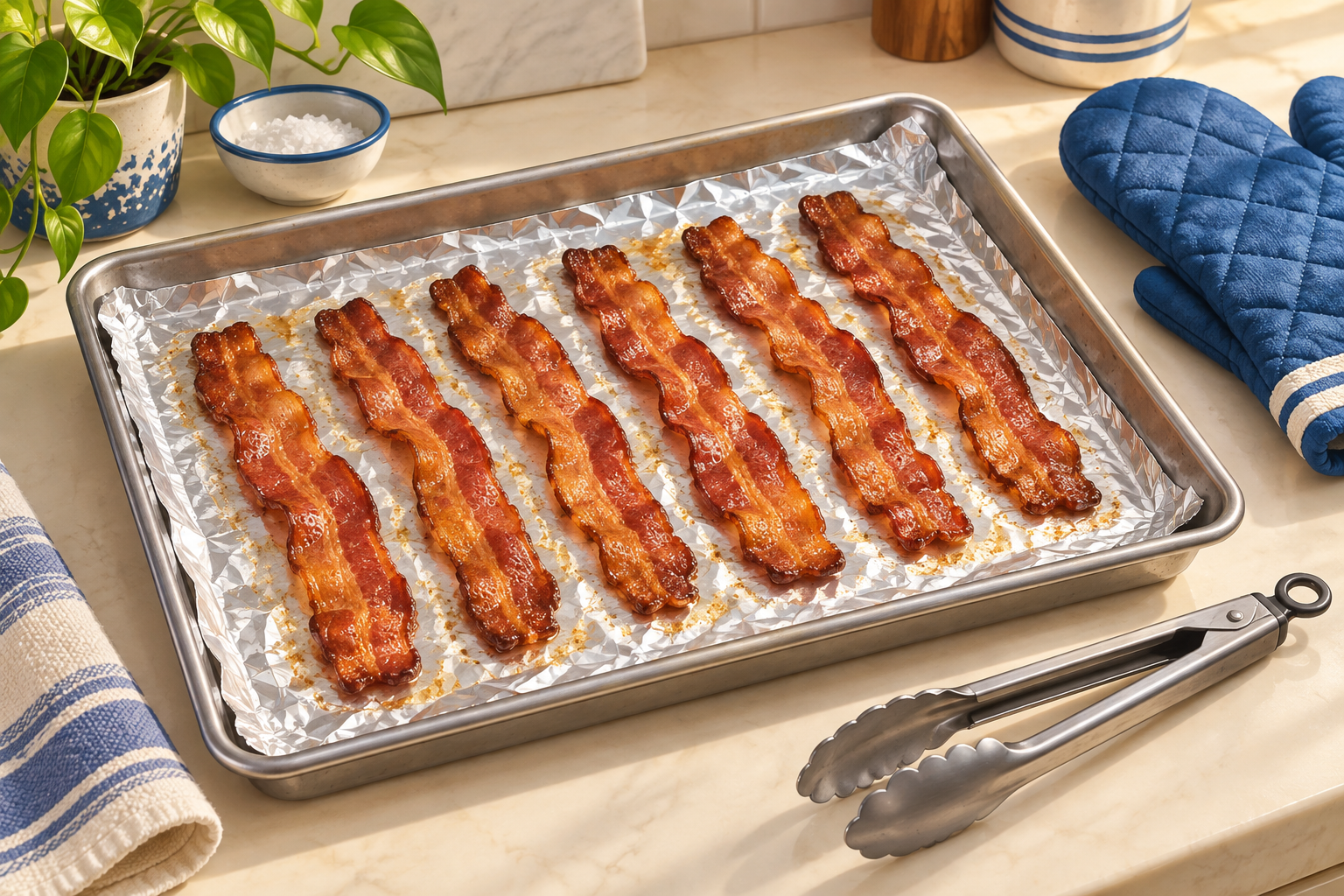 How to cook bacon in the ovenAbout 25–35 minutes, including preheating
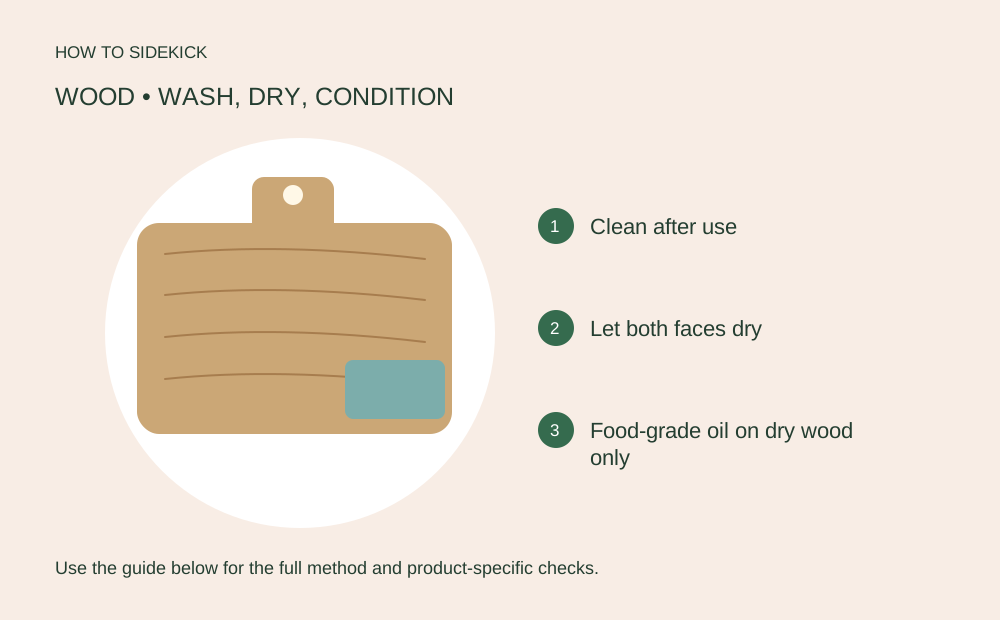 How to clean and oil a wooden cutting board10 minutes plus drying
Source checks for these answers: September 24, 2026. Product instructions and local requirements can vary.