In “How to make bone broth on the stovetop”
Can I use a pressure cooker?
Use the appliance’s dedicated stock method and fill limits. Do not transfer stovetop times or maximum fill levels directly.
754 useful answers · Page 30 of 32
Build confidence with ingredients, simple techniques, and kitchen tools.
Search this topicIn “How to make bone broth on the stovetop”
Use the appliance’s dedicated stock method and fill limits. Do not transfer stovetop times or maximum fill levels directly.
Soften aromatics, add broth and chicken, and simmer until the chicken reaches 165°F. Shred it, cook noodles in the broth and return the meat to heat through.
In “How to make chicken noodle soup”
Yes. Simmer vegetables until tender, add noodles, then add cooked chicken late enough to heat thoroughly without prolonged cooking. Reheat it to 165°F.
In “How to make chicken noodle soup”
Noodles keep absorbing liquid during storage. Store them separately or add fresh broth when reheating.
Pack thin onion slices into a clean heat-safe container, cover with a hot vinegar-and-water brine and refrigerate promptly. Let chill before serving and use clean utensils each time.
In “How to make quick pickled onions for the refrigerator”
That changes the method. Keep the listed ratio for this small refrigerated batch or use another tested quick-pickle recipe.
In “How to make quick pickled onions for the refrigerator”
No. Make fresh brine for a new batch rather than repeatedly adding onions to old liquid.
Pat dry, season and sear in a hot lightly oiled skillet. Turn and finish to at least 145°F, then rest for at least 3 minutes before slicing. Adjust heat so the crust does not burn before the center cooks.
In “How to cook a steak in a skillet”
A thermometer gives a clearer measure than firmness, which varies with the cut and thickness.
In “How to cook a steak in a skillet”
The surface may have been wet, the pan crowded or the heat too low for browning.
Pat salmon dry, season and bake at 400°F on a suitable rimmed tray until the thickest center reaches 145°F. Lift with a wide spatula and serve promptly.
In “How to bake salmon without guessing the doneness”
Use a frozen-fish-specific method or package directions. The timing here assumes thawed portions.
In “How to bake salmon without guessing the doneness”
Coagulated protein can appear during cooking. It does not by itself mean the fish is spoiled, but doneness still needs checking.
Even the thickness, season and brown in a lightly oiled skillet. Lower the heat and finish gently until the thickest part reaches 165°F. Rest briefly before slicing on a clean board.
In “How to cook chicken breast evenly in a skillet”
Yes, but thickness matters. Split into cutlets or even the shape and check each piece rather than using one fixed time.
In “How to cook chicken breast evenly in a skillet”
Excessive heat or continued cooking after the center is done can dry it. Even thickness makes the finish easier to control.
Season pork ribs, cover securely in a roasting pan and bake at 300°F until tender. Check the meat away from bone, then uncover, brush with clean sauce and finish briefly.
In “How to cook ribs in the oven until tender”
That is a preference, not a required safety test. Aim for the tenderness you like while checking safe cooking.
In “How to cook ribs in the oven until tender”
Beef ribs differ in size and structure. Use a method designed for that cut.
Trim tough silver skin, season, brown briefly and roast at 400°F until the center reaches 145°F. Rest for at least 3 minutes, then slice across the grain.
In “How to cook pork tenderloin without drying it out”
Color alone is not the deciding test. Measure the temperature and complete the rest.
In “How to cook pork tenderloin without drying it out”
Lean tenderloin dries with prolonged cooking. Check early and avoid treating it like a slow-braise cut.
Pat sea scallops thoroughly dry, season lightly and sear in a thin layer of hot oil. Turn when browned and finish until the center reaches 145°F and the flesh is opaque.
In “How to cook scallops with a browned surface”
They are much smaller and need a different, shorter cooking approach. Do not use large-sea-scallop timing.
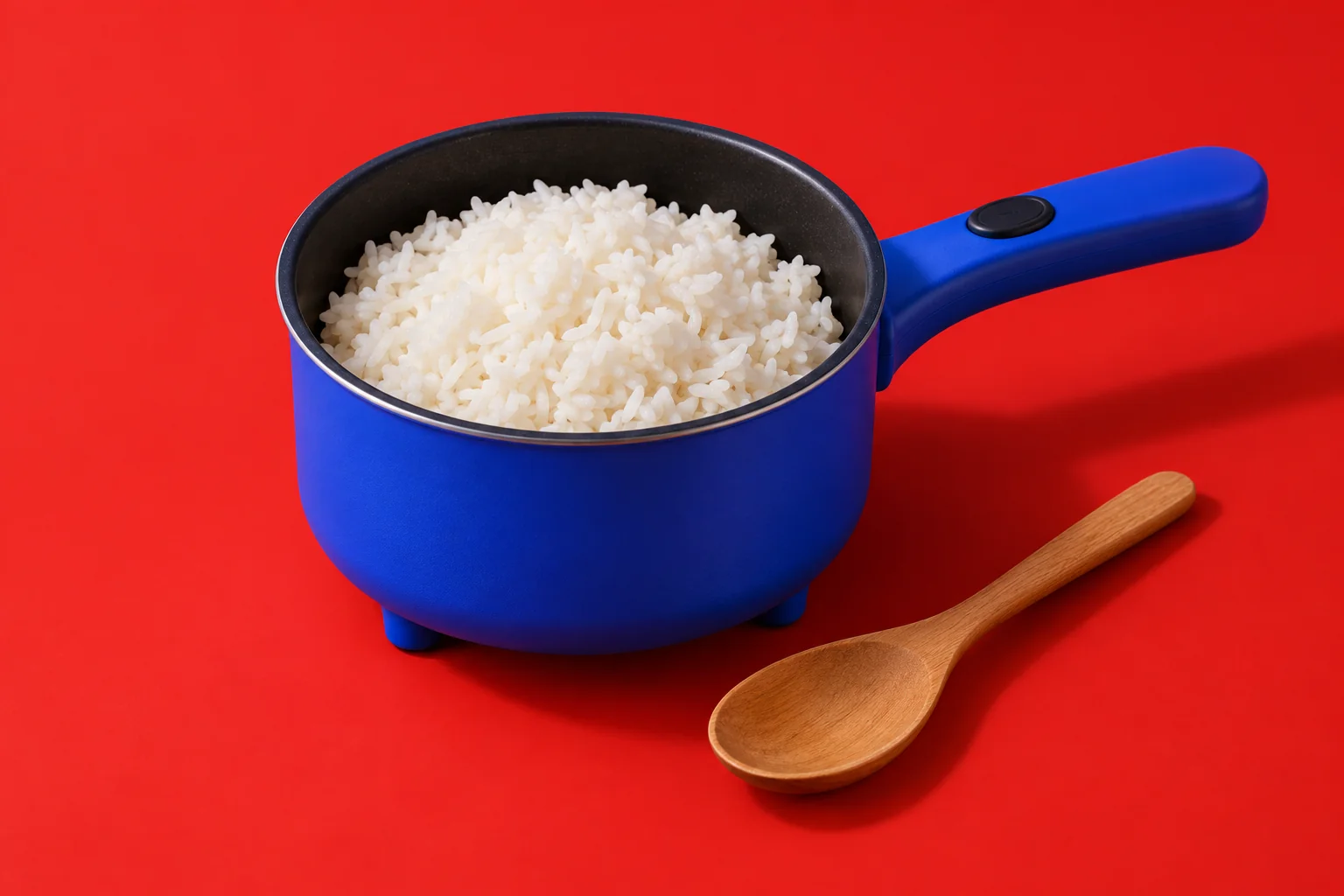 How to cook basmati rice in a saucepanAbout 20 minutes
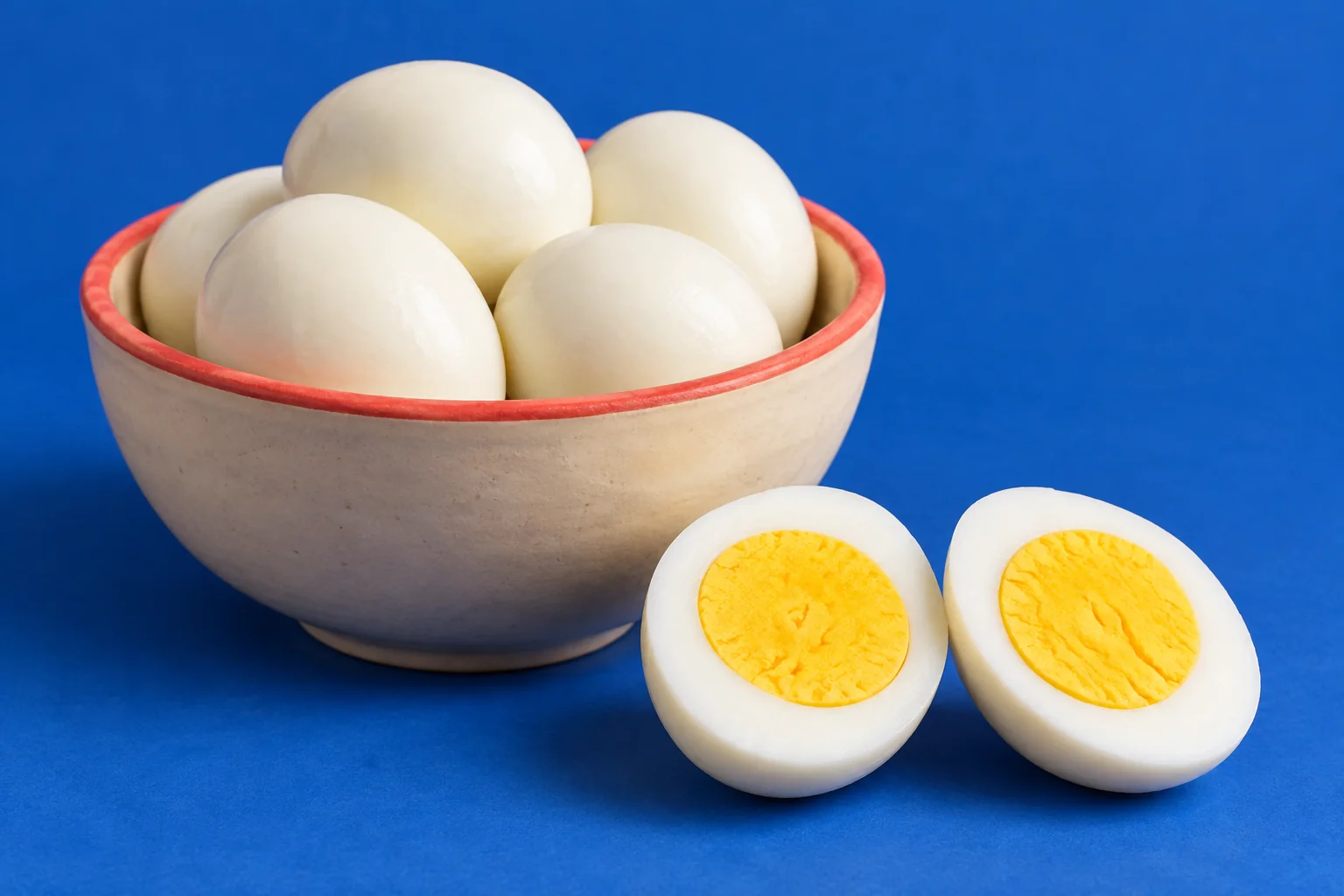 How to boil eggs: a simple hard-boiled methodAbout 25 minutes, including cooling
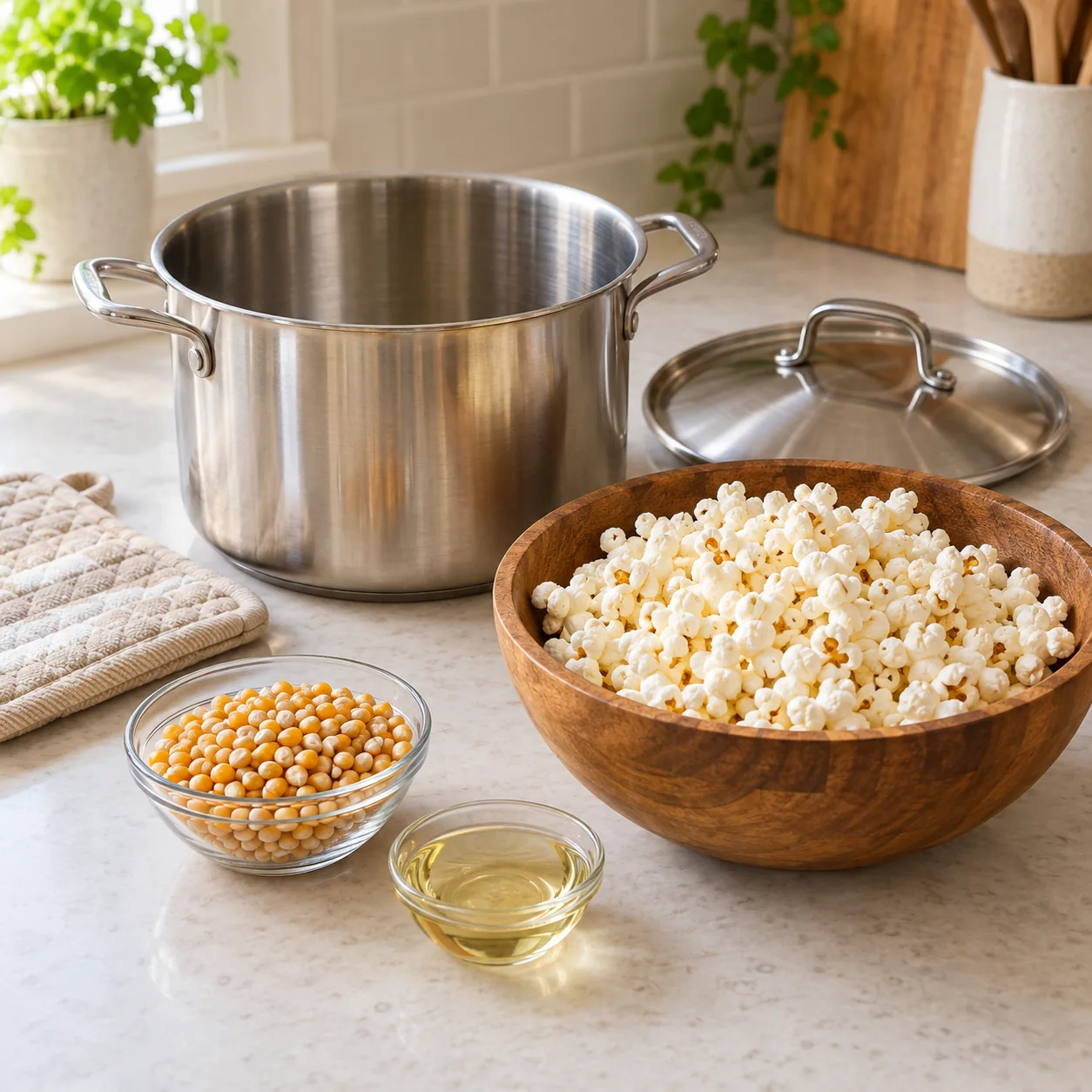 How to make stovetop popcorn that stays crispAbout 10 minutes
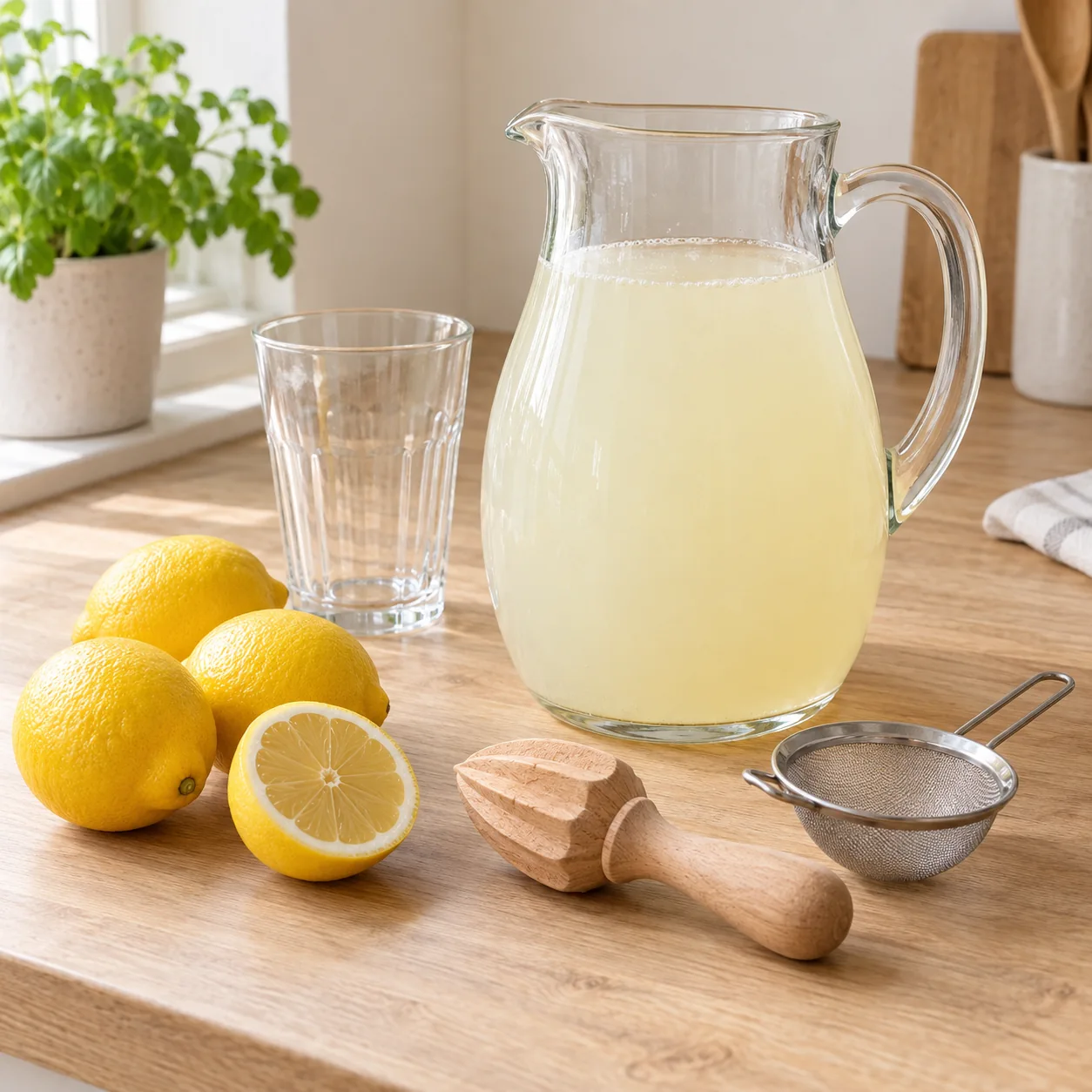 How to make homemade lemonade with evenly dissolved sugar15 minutes, plus chilling
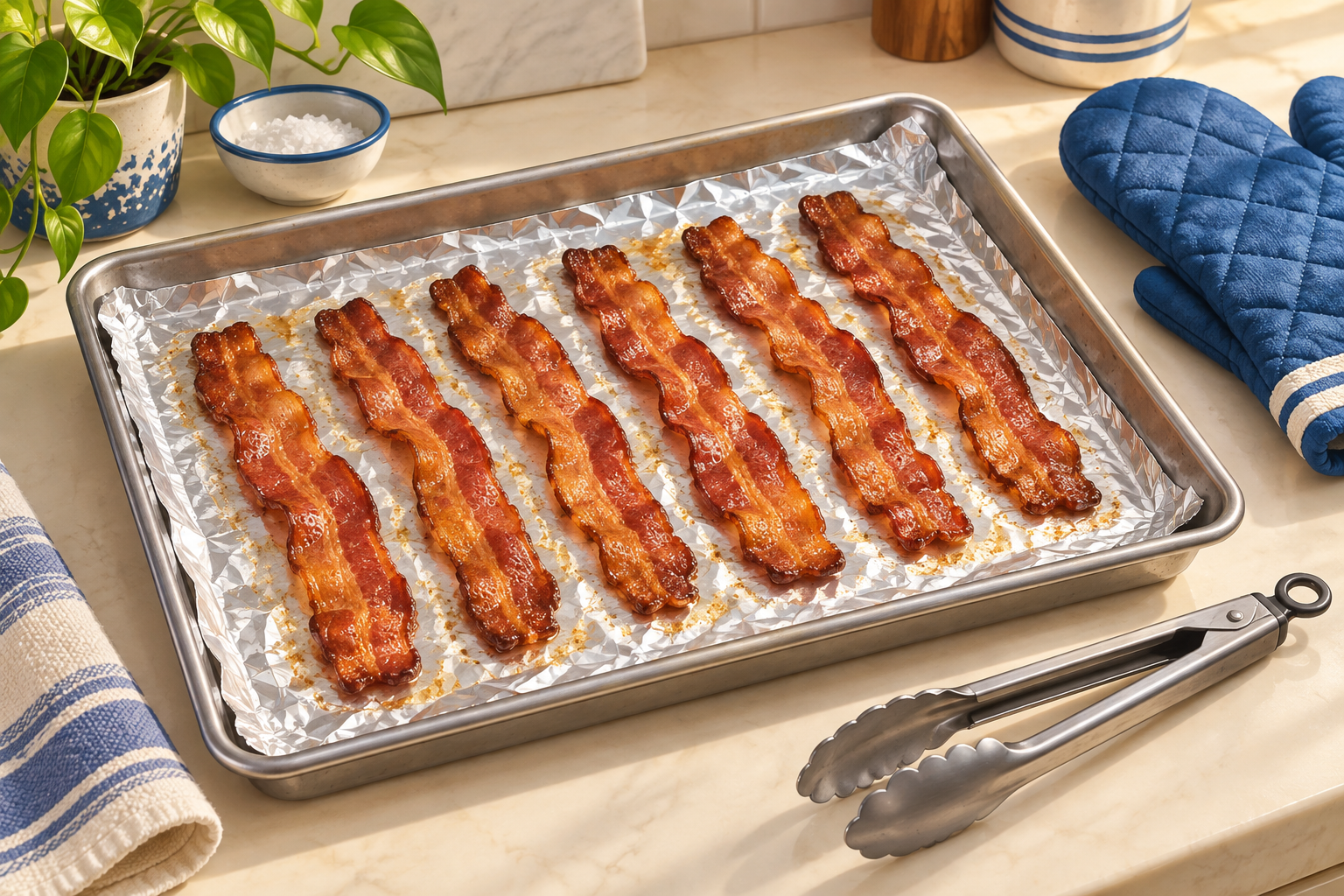 How to cook bacon in the ovenAbout 25–35 minutes, including preheating
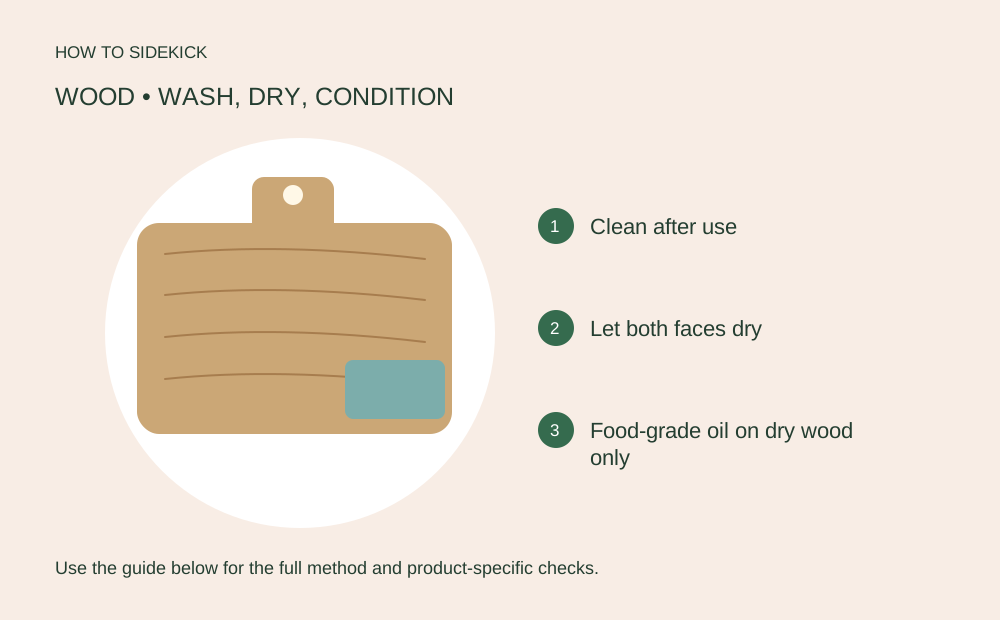 How to clean and oil a wooden cutting board10 minutes plus drying
Source checks for these answers: September 24, 2026. Product instructions and local requirements can vary.