In “How to hang drywall on an interior wall”
Can ordinary drywall be used inside a shower?
Do not assume it can. Use the backing and waterproofing system specified for the wet area and local requirements.
844 useful answers · Page 35 of 36
Change bulbs, patch walls, identify window hardware, and learn practical tool basics.
Search this topicIn “How to hang drywall on an interior wall”
Do not assume it can. Use the backing and waterproofing system specified for the wet area and local requirements.
Prepare sound joints, embed compatible tape in compound, then apply progressively wider thin coats with the required drying between them.
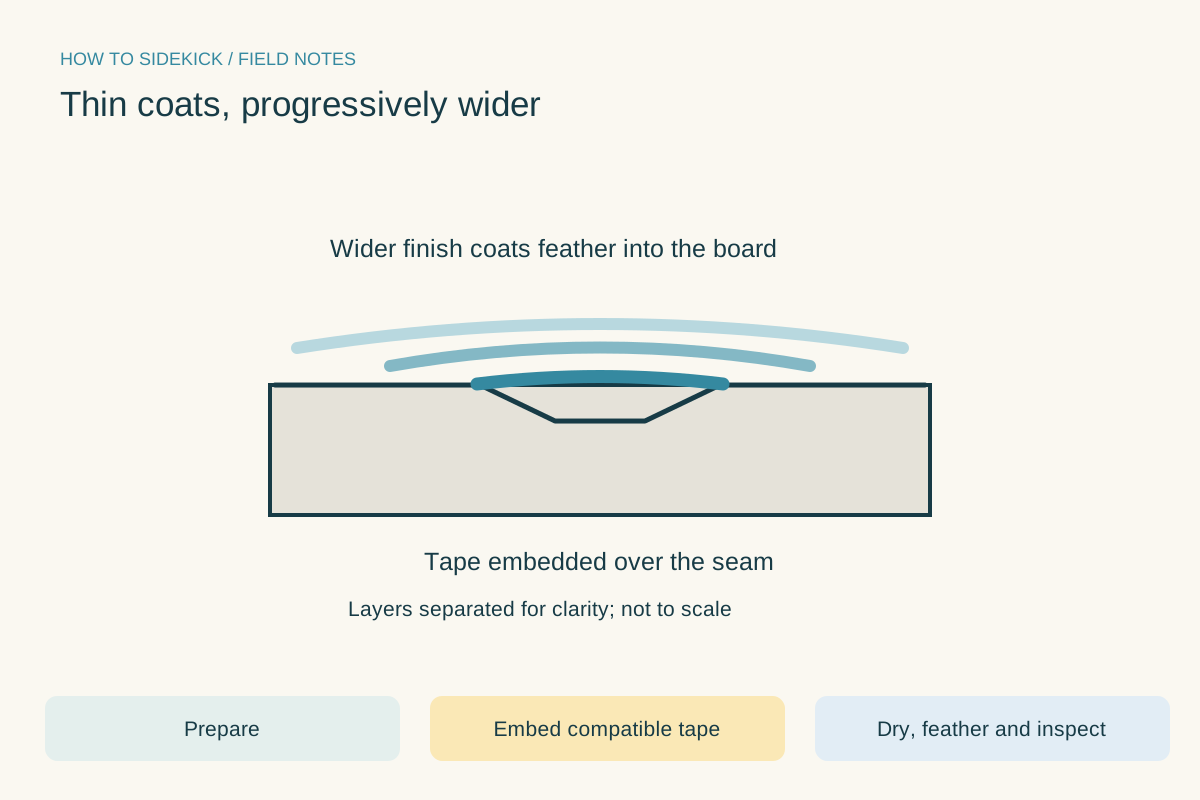
In “How to tape and mud drywall for a smooth painted wall”
Use a joint-treatment system intended for board seams. Small-hole spackle is not a general substitute for embedding tape and finishing long joints.
In “How to tape and mud drywall for a smooth painted wall”
Use the system and finish level required for the wall. Several thin coats are commonly needed; the number alone does not guarantee a flat result.
Measure the room, dry-fit each piece and corner, then fasten the trim to the wall and finish small cosmetic gaps.
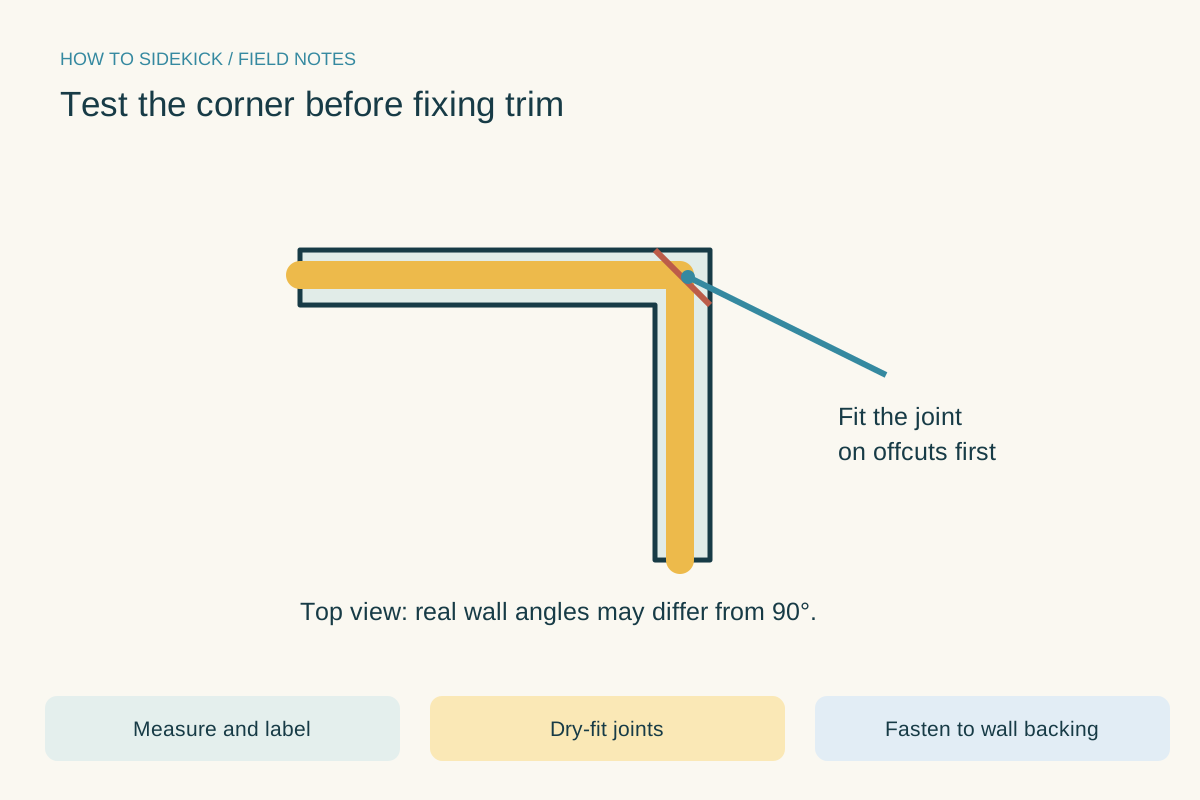
In “How to install baseboards with neat corners”
Only a true square corner divides evenly that way. Test the actual angle and fit; a coped inside corner is another option for suitable profiles.
In “How to install baseboards with neat corners”
Do not block a required expansion gap or bond a floating floor to the trim. Follow the flooring and trim system requirements.
Treat a possible emergency alarm as an emergency. For an identified maintenance chirp, use the model’s signal chart to check battery, fault and end-of-life warnings.
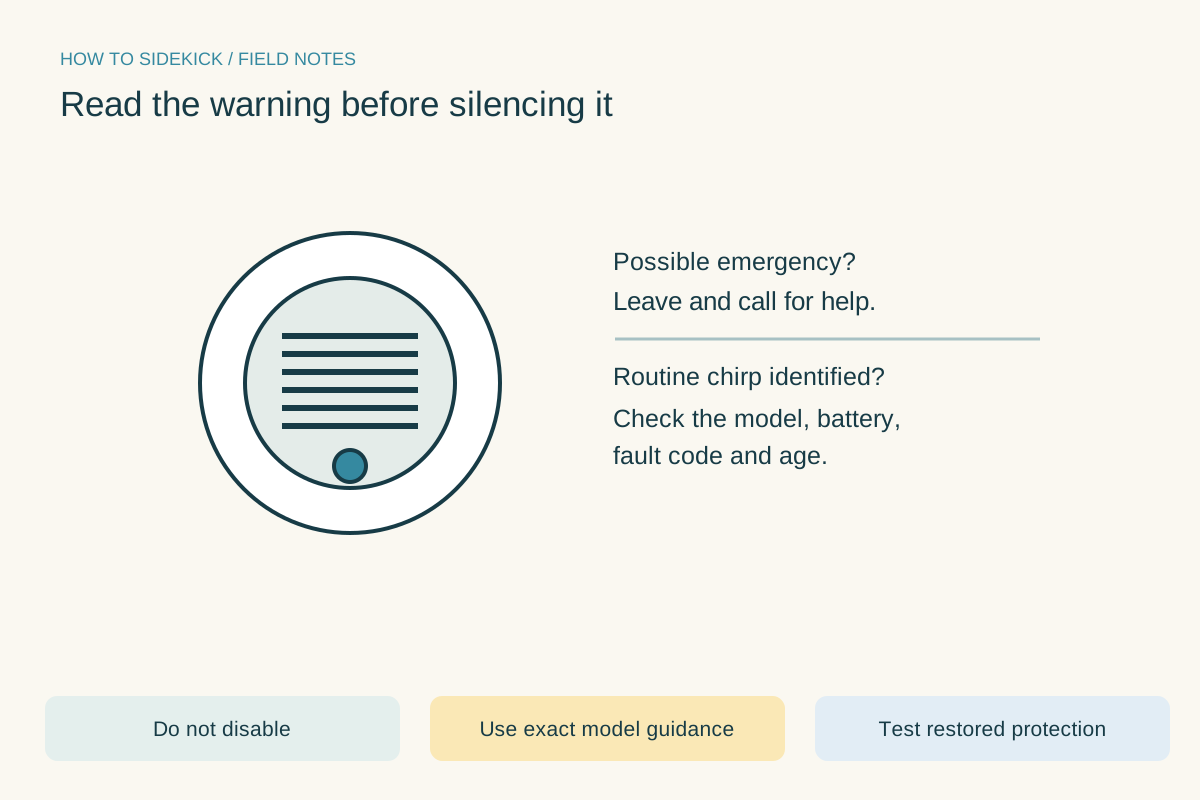
In “How to stop a smoke detector from beeping: identify the warning first”
Possible causes include the wrong battery, poor seating, a remaining fault or end of life. Use the exact model’s troubleshooting guide and test it.
In “How to stop a smoke detector from beeping: identify the warning first”
Do not leave the home without required working alarm protection. Correct the cause or install a suitable working replacement promptly.
In a dry, undamaged setup, unplug connected loads, press RESET and test the outlet. Stop if it will not reset or trips again.
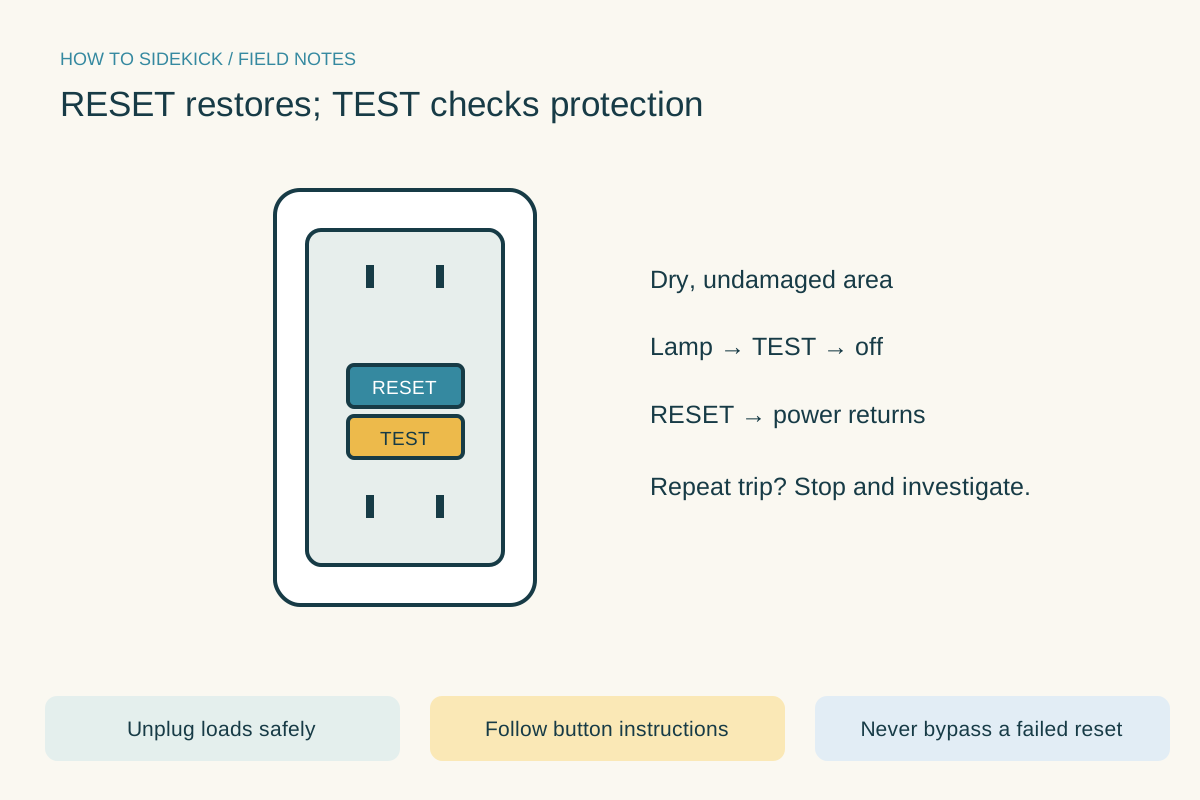
In “How to reset a GFCI outlet and know when to stop”
The cause may be absent supply power, a connected fault, wiring problems or device failure. Stop forcing it and use the manufacturer’s troubleshooting guidance or an electrician.
In “How to reset a GFCI outlet and know when to stop”
Follow its instructions; monthly manual testing is commonly specified even for self-testing models. Keep the test accessible and do not bypass it.
Fit the correct bit with power isolated, secure scrap wood over a backing piece, then drill squarely with controlled speed and feed.
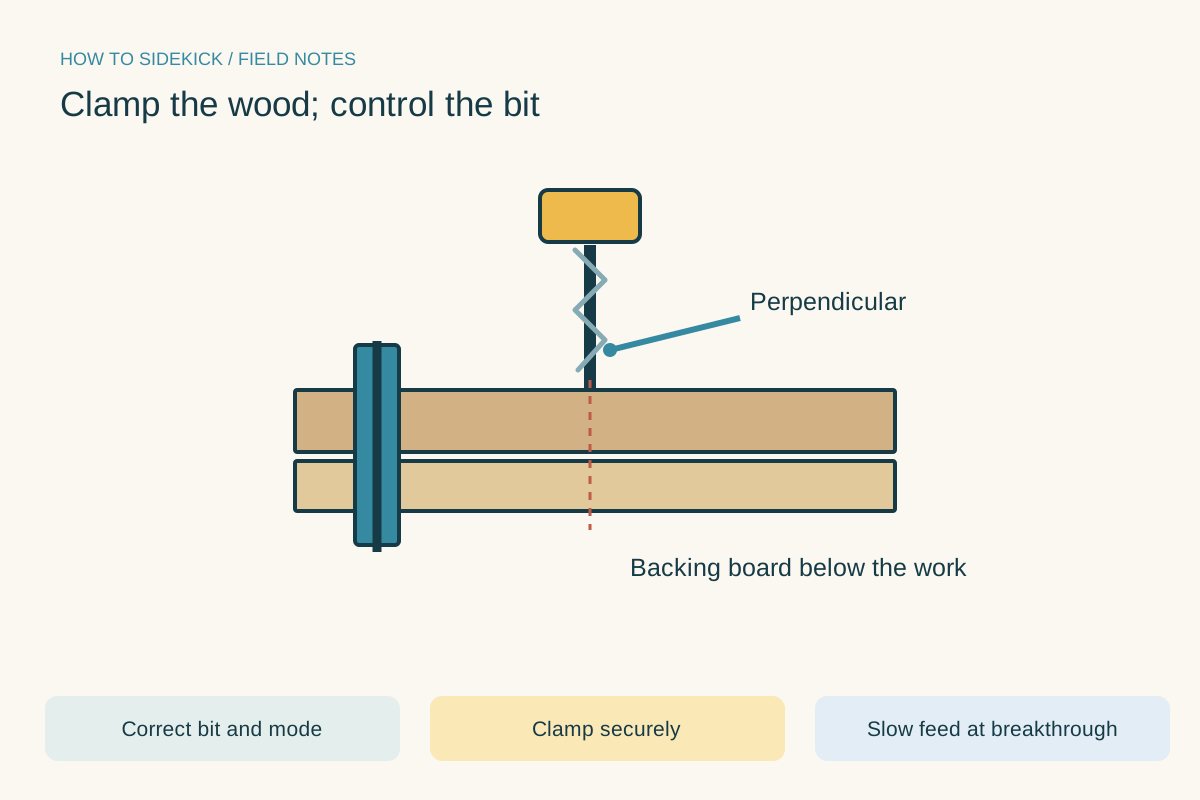
In “How to use a drill: your first straight hole in wood”
Stop and disconnect power. Check that its shank is seated and tightened correctly and that the chuck and bit are compatible and undamaged.
In “How to use a drill: your first straight hole in wood”
Release the trigger and isolate power before resolving it. Do not repeatedly pulse a stuck bit while holding loose work.
Secure the work so the kerf stays open, set the saw with power isolated and make a steady cut with both hands on the intended handles.
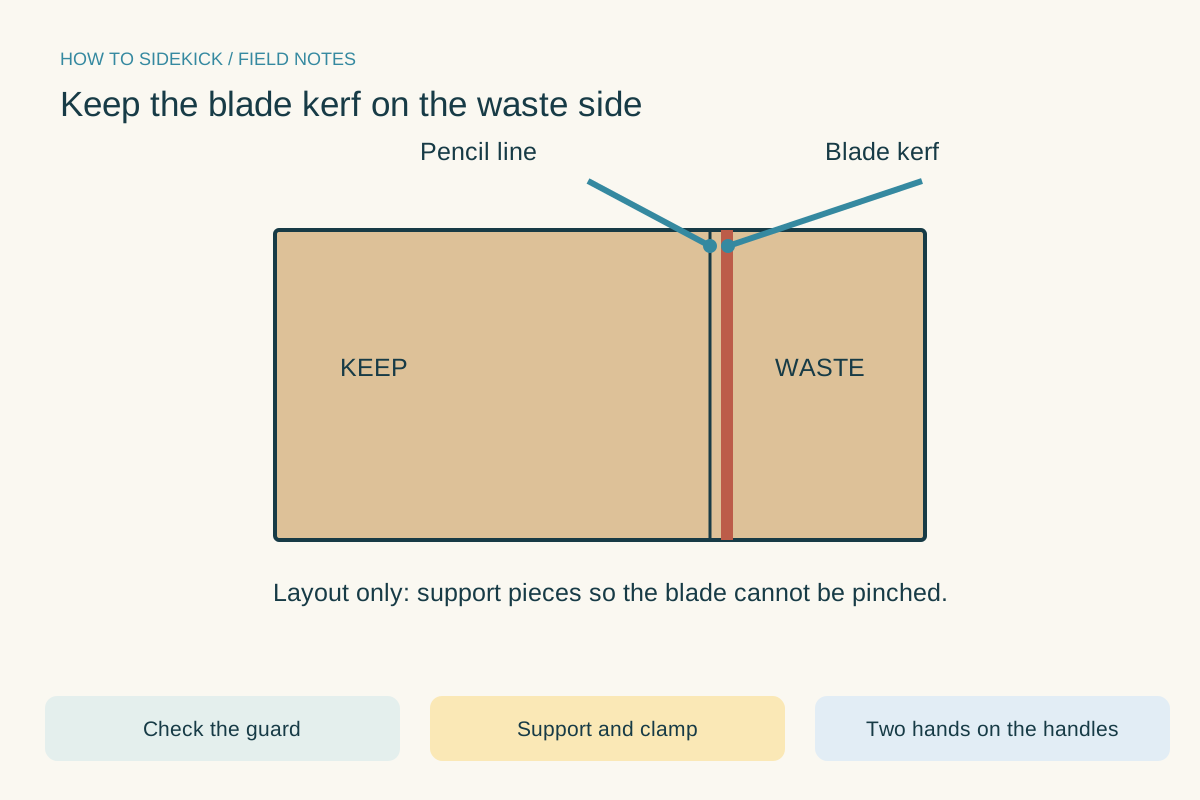
In “How to use a circular saw for a straight cut in wood”
Do not reach into or under the blade path. Use the required support arrangement and keep both hands on the saw’s intended handles.
In “How to use a circular saw for a straight cut in wood”
No. A sticking or obstructed guard needs correction before use. Do not defeat it to make a cut easier.
Mount the saw securely, support a sound board against the fence, align with power isolated and complete one controlled crosscut.
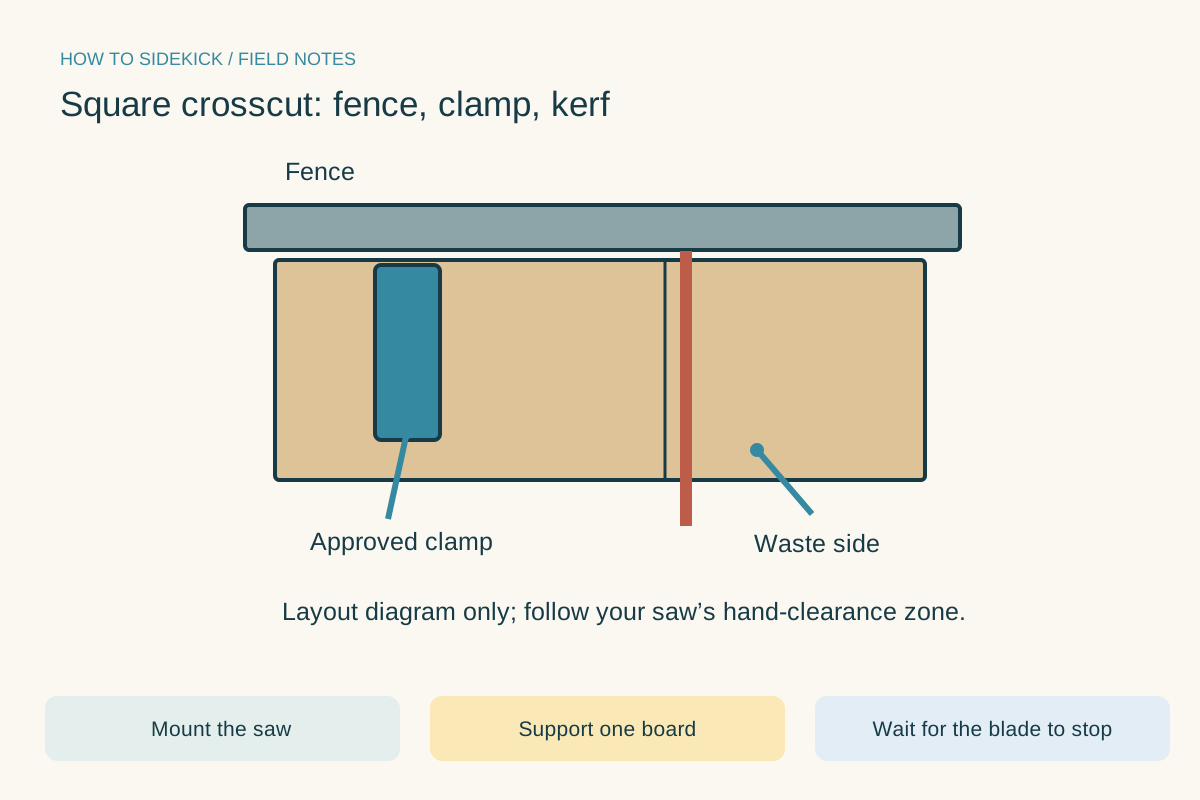
In “How to use a miter saw for a square crosscut”
Use only stock sizes and securing methods permitted by the manual. Hands must stay outside the exclusion zone; a tight grip does not make a tiny offcut safe.
In “How to use a miter saw for a square crosscut”
No. It is for supported crosscuts and permitted angle cuts. Ripping, freehand cuts and unsupported irregular stock require another appropriate method.
Use a correctly rated tester, verify it on a known energized source, perform the permitted screening check, then verify the tester again.
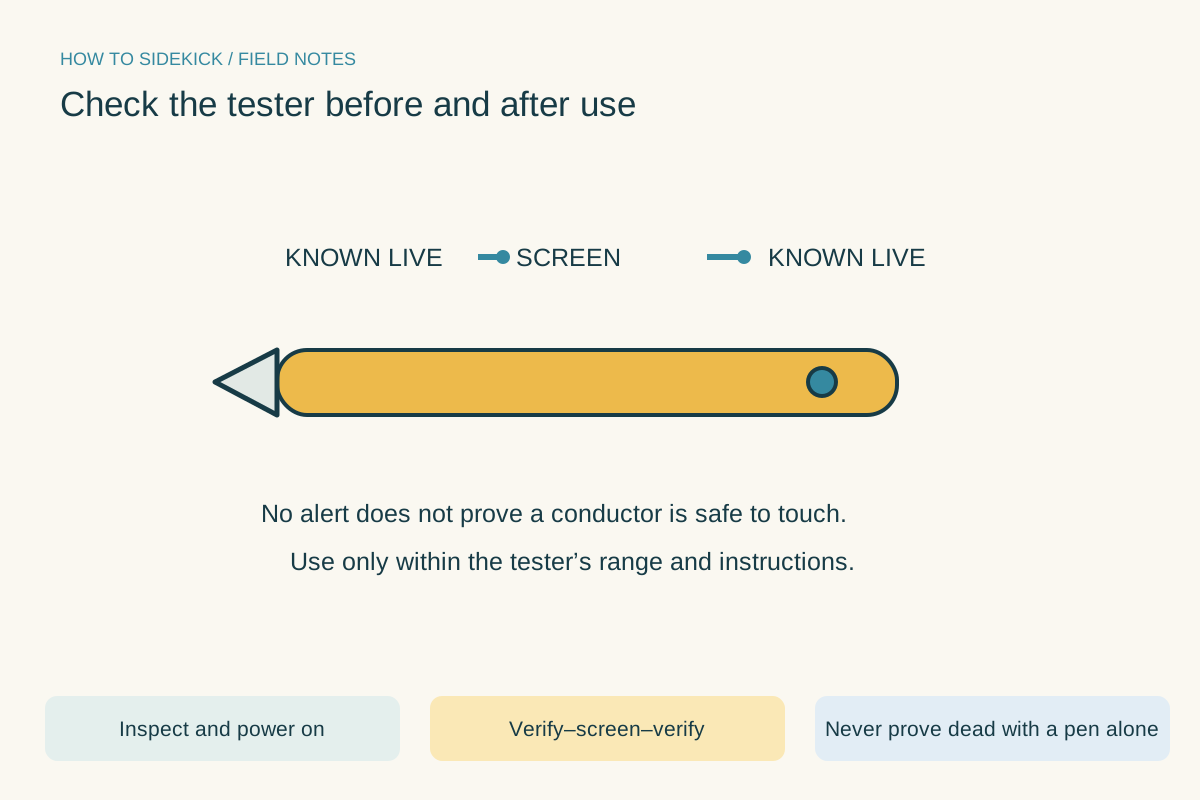
In “How to use a non-contact voltage tester—and understand its limits”
It may be sensing nearby fields rather than identifying one conductor conclusively. The result is a warning, not a complete wiring diagnosis.
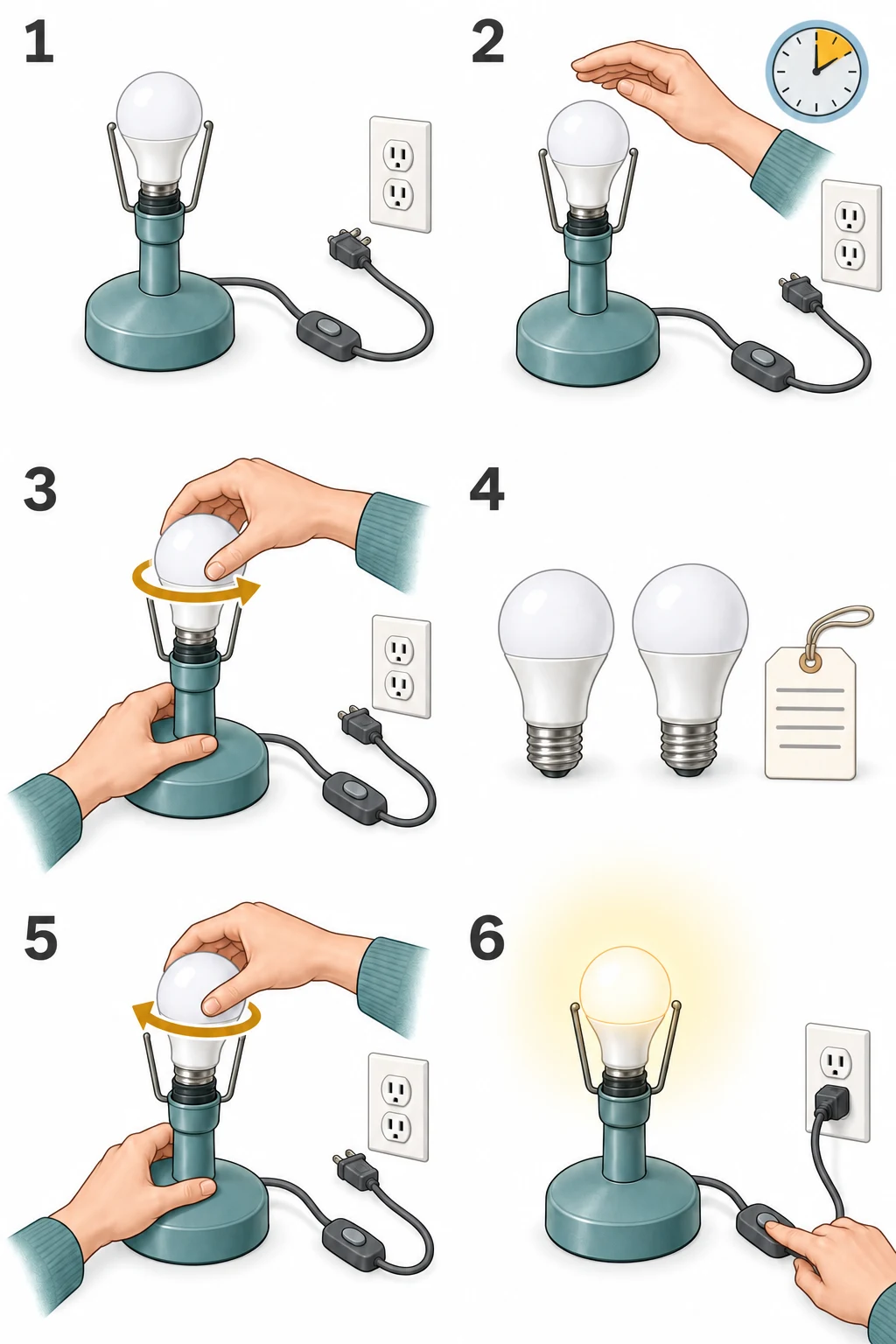 How to change a light bulb in a table lamp5–10 minutes, plus cooling
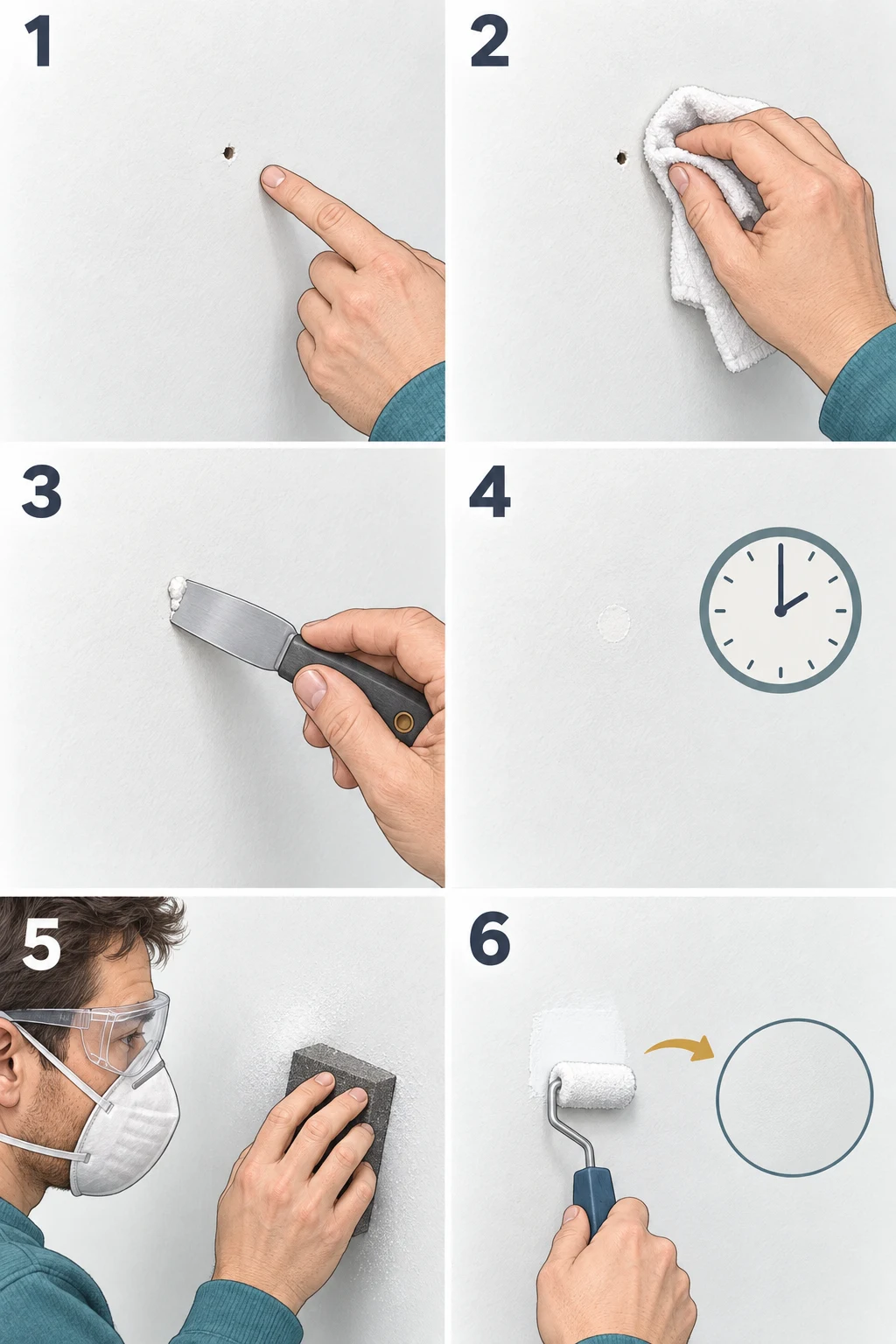 How to patch small holes in drywall20–30 minutes of work, plus drying
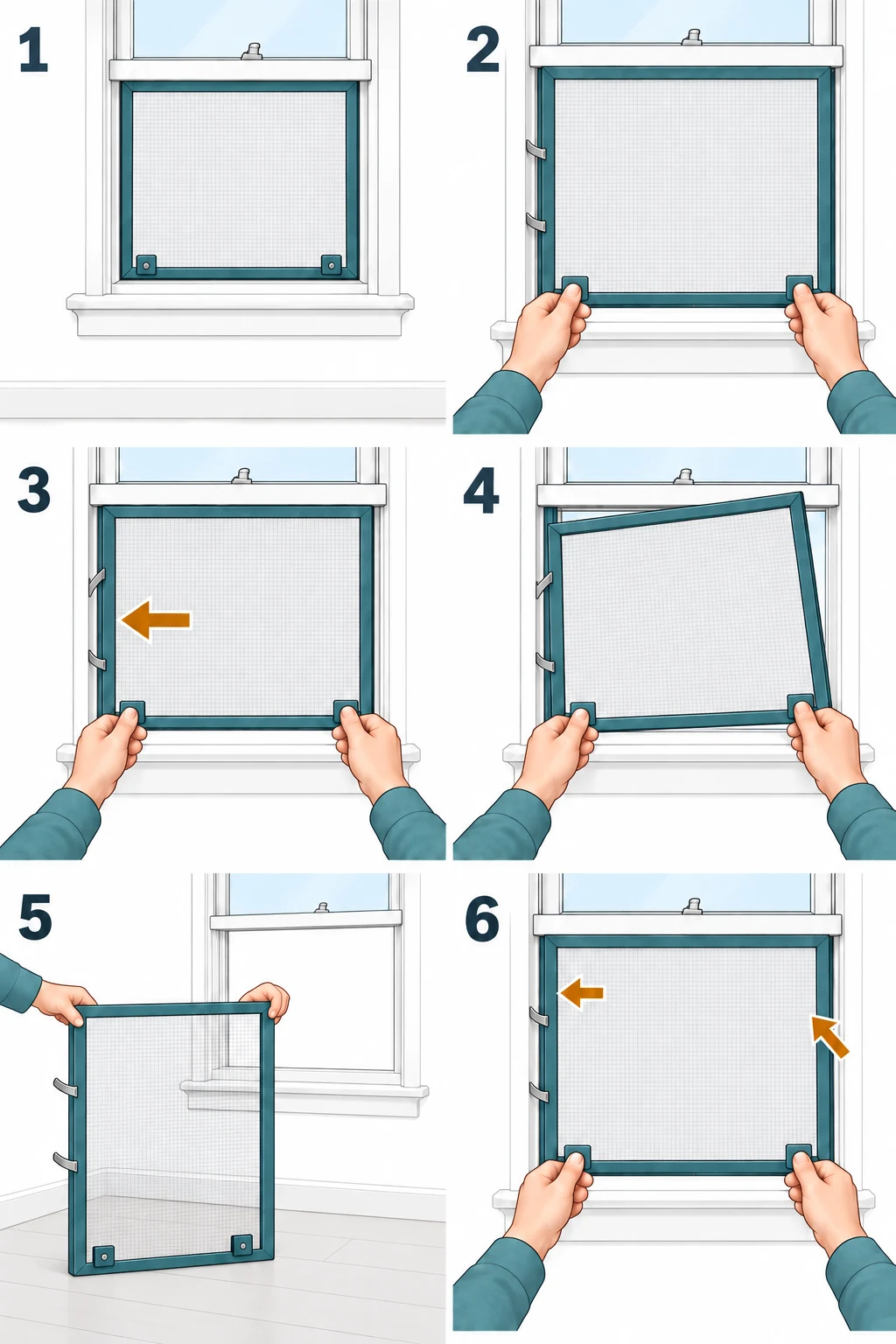 How to remove a spring-loaded window screen10–15 minutes
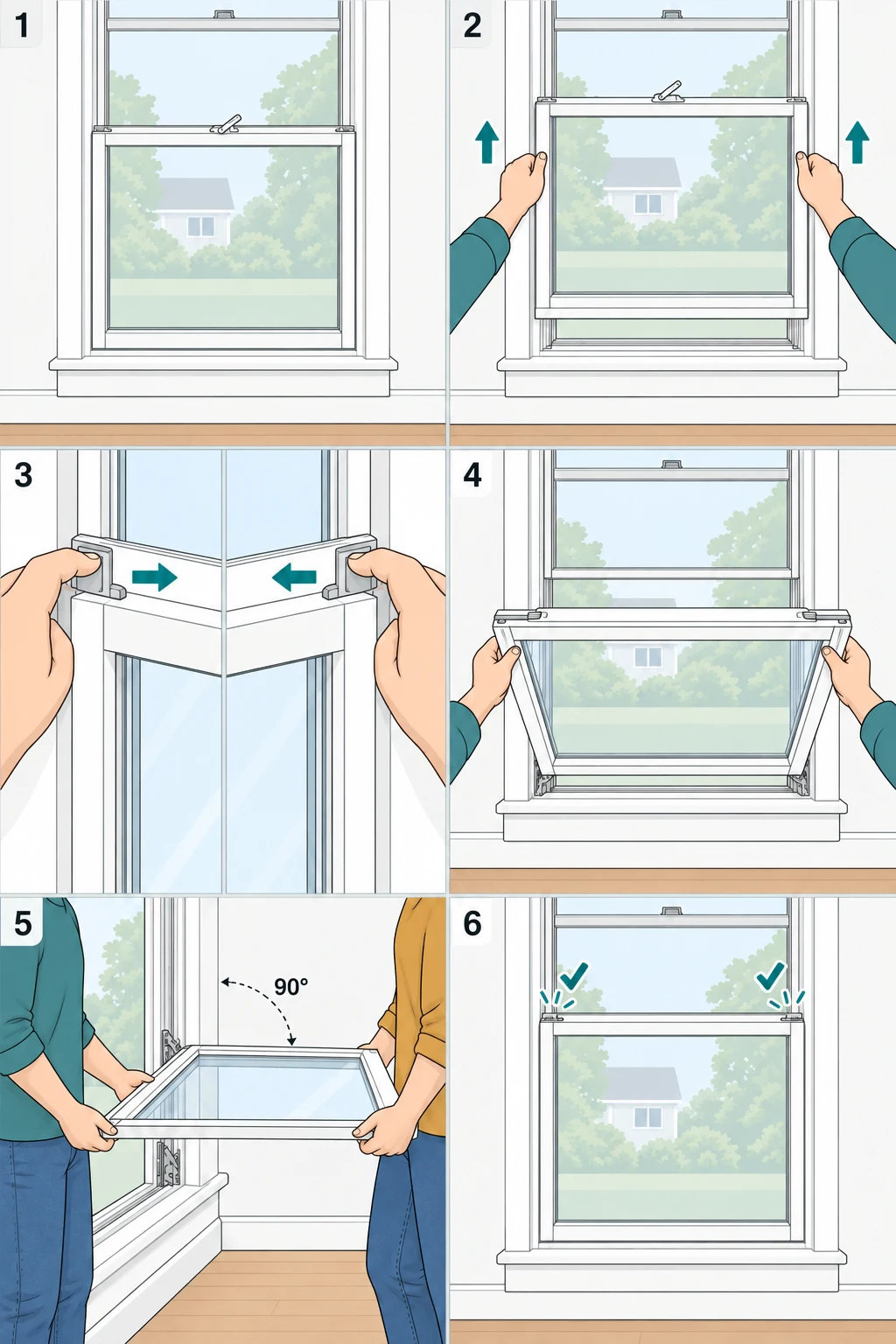 How to tilt a window sash for cleaning15–25 minutes
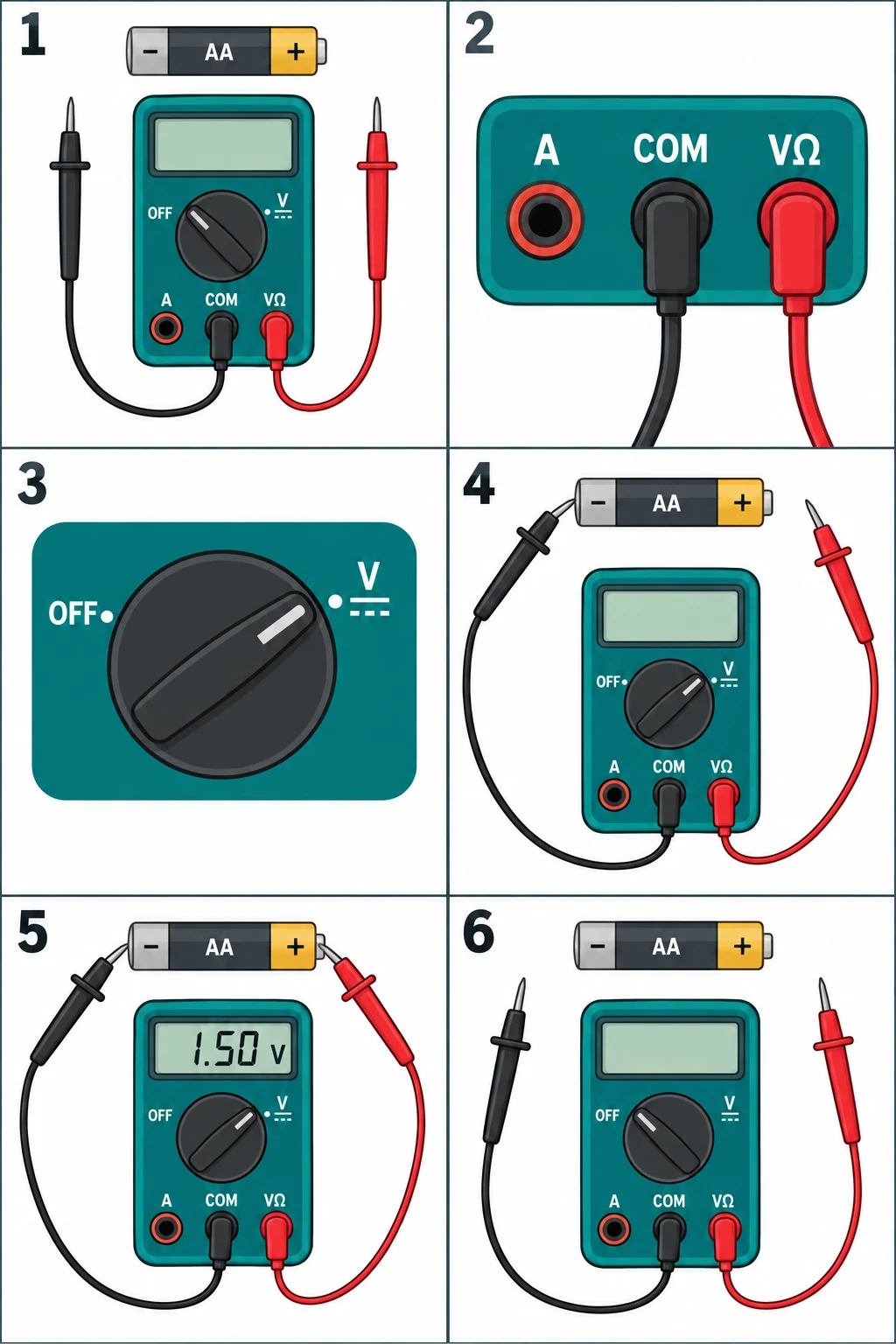 How to use a multimeter: test an AA batteryAbout 10 minutes
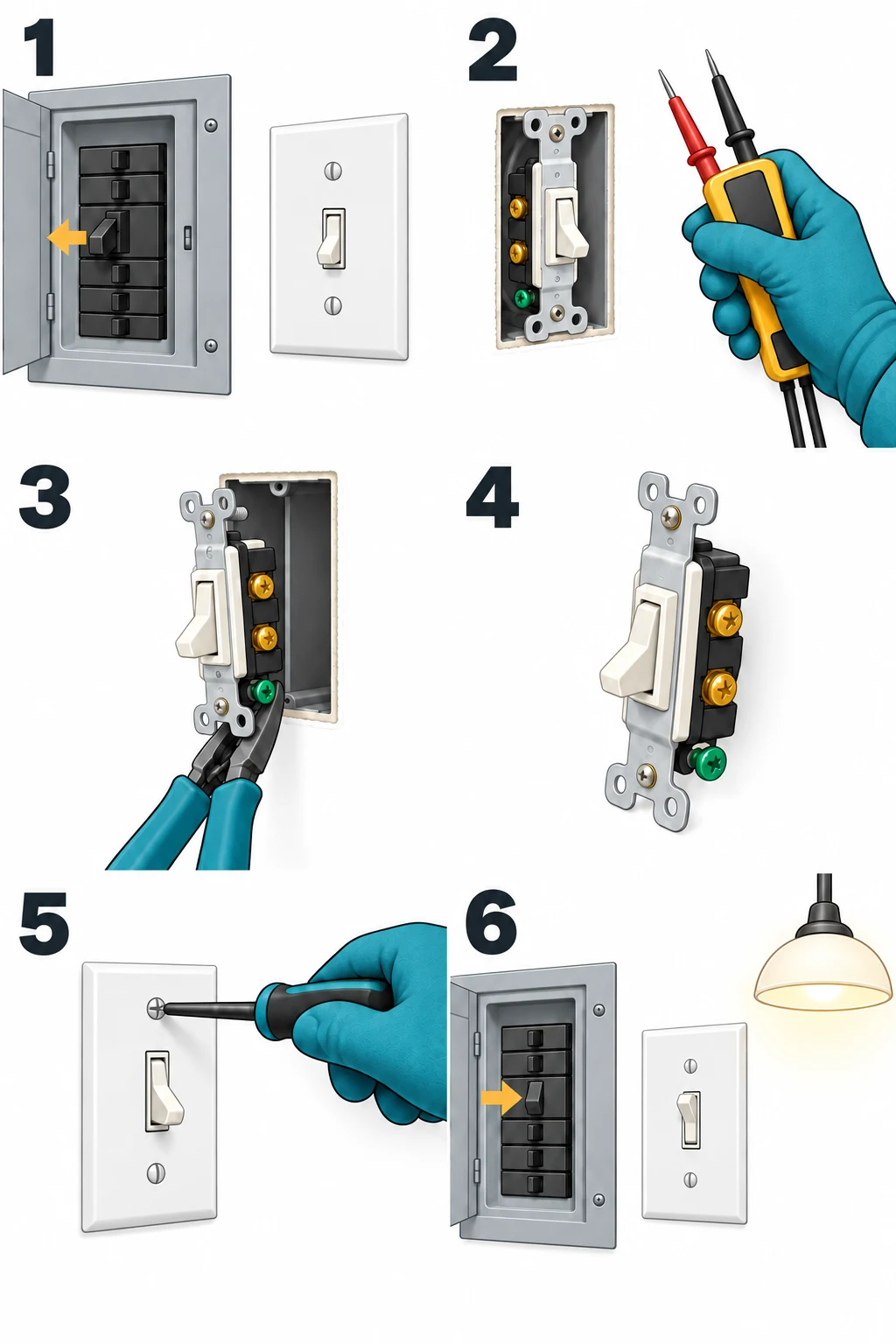 How to replace a single-pole light switch30–60 minutes for a competent installer
Source checks for these answers: September 24, 2026. Product instructions and local requirements can vary.