In “How to clean wood and faux-wood blinds while they hang”
What if I cannot safely reach the top slats?
Leave them until you have suitable access or help. Pulling down on the blind or reaching from unstable furniture is not a cleaning method.
389 useful answers · Page 16 of 17
Choose a sensible routine for the materials and appliances in your home.
Search this topicIn “How to clean wood and faux-wood blinds while they hang”
Leave them until you have suitable access or help. Pulling down on the blind or reaching from unstable furniture is not a cleaning method.
In “How to clean dry dirt from suede shoes”
Clarks advises against machine-washing suede shoes. Use the care method specified for the material and construction.
In “How to clean dry dirt from suede shoes”
No. Dry brushing addresses loose surface dirt and nap. A persistent oil, salt or dye mark needs an appropriate assessment before another treatment.
In “How to clean dry dirt from suede shoes”
Do not substitute a smooth-leather polish for a suede-care product. Check that any proposed treatment specifically suits the shoe’s finish.
Remove loose hair, gently clean between the teeth with warm soapy water, rinse as directed and let the brush dry naturally.
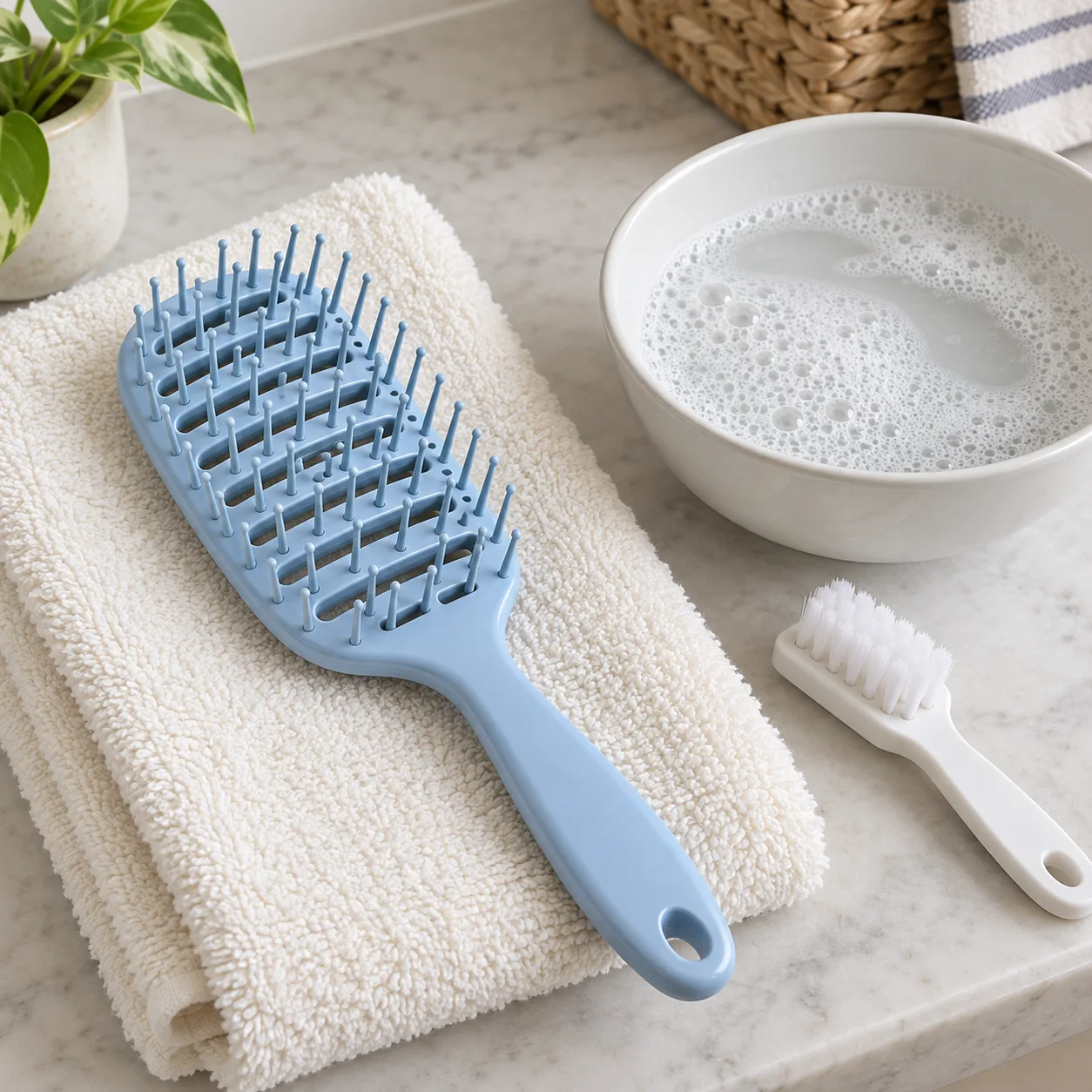
In “How to clean an all-plastic hairbrush”
Not without its maker’s instructions. Wood, natural bristles and cushioned bases can require different care from an open plastic brush.
In “How to clean an all-plastic hairbrush”
Follow the brush instructions. Ordinary Tangle Teezer detangling brushes should air-dry; heat permission for a blow-styling brush does not apply to every model.
In “How to clean an all-plastic hairbrush”
Do not force a closed brush apart. Ask its manufacturer how to address trapped water without breaking the body.
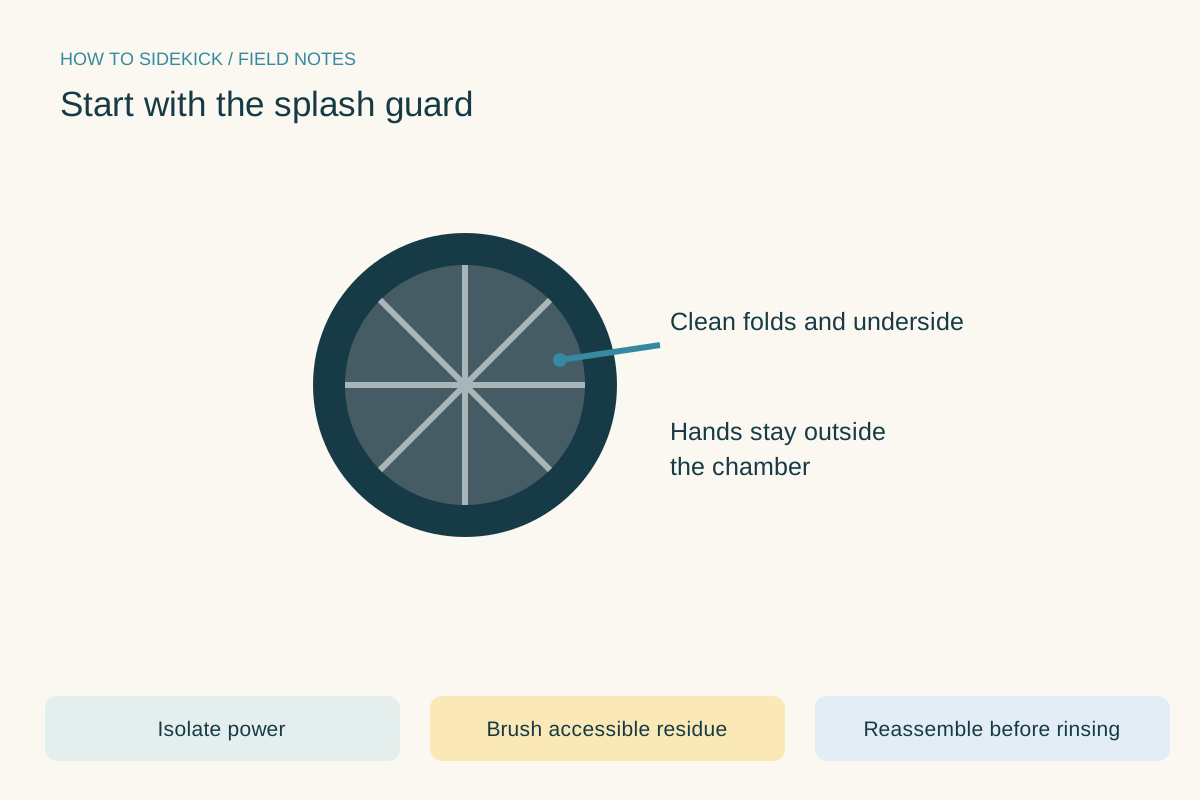
Isolate power, clean the accessible splash guard and residue, then reassemble and rinse according to the disposal manual.
Affiliate disclosure: We may earn a commission when you buy through these links. How our links work.
 Dawn Platinum Original dish soap, 56 ozLowe’s · Product
Use only where the surface or appliance maker permits dish soap. Follow dilution and rinsing directions.
 Rubbermaid Commercial microfiber cloths, 16-packLowe’s · Product
Use a clean cloth approved for the surface; keep dirty or gritty cloths away from delicate finishes.
 Coast 850-lumen LED flashlightLowe’s · Product
For seeing labels, valve positions and work areas; check the power requirements on the product page.
In “How to clean a garbage disposal and its splash guard”
Do not improvise chemical treatments. Use only products permitted by both the disposal manual and cleaner label, and never mix cleaners.
In “How to clean a garbage disposal and its splash guard”
A disposal uses a grinding mechanism, not kitchen-knife blades to sharpen with ice. Some manufacturers allow ice for cleaning; follow your model’s instructions without assuming it repairs worn parts.
Remove loose grit, wash with a glass-compatible solution, then remove the liquid before it dries and wipe the edges.
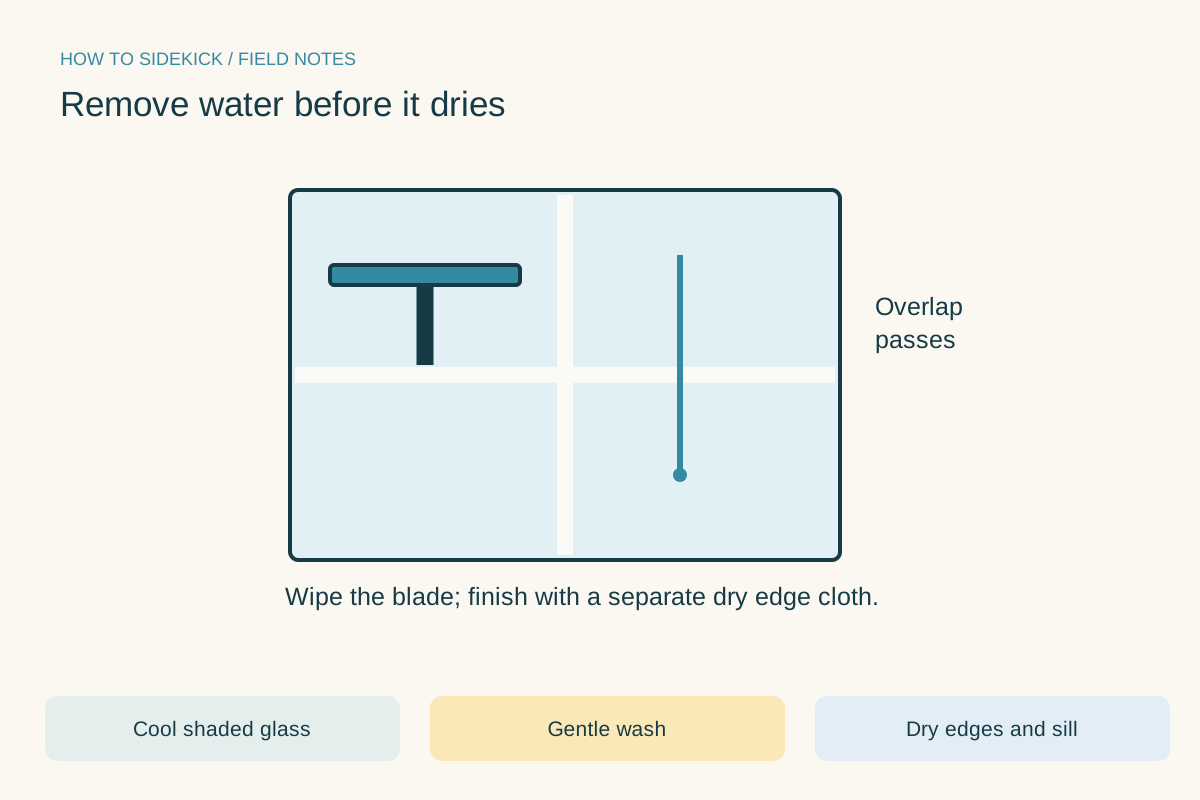
Affiliate disclosure: We may earn a commission when you buy through these links. How our links work.
 Ettore Pro+ window squeegeeLowe’s · Product
Use on compatible smooth glass, with a clean rubber edge. Choose a width suited to your panes and reach them from a safe position.
Rubbermaid Commercial microfiber cloths, 16-packLowe’s · ProductUse a clean cloth approved for the surface; keep dirty or gritty cloths away from delicate finishes.
In “How to clean windows without leaving streaks”
No universal mixture suits every coating, film, seal and surrounding finish. Use the window or film maker’s care directions.
In “How to clean windows without leaving streaks”
Do not use an unsafe reach to finish the job. Use an approved accessible cleaning position or arrange professional help for high or awkward windows.
Start with mild dish soap and a soft cloth. Polish tarnish only on confirmed uncoated copper, using a cleaner approved for the object. A clear coating, a decorative patina and a food-contact lining need different treatment.
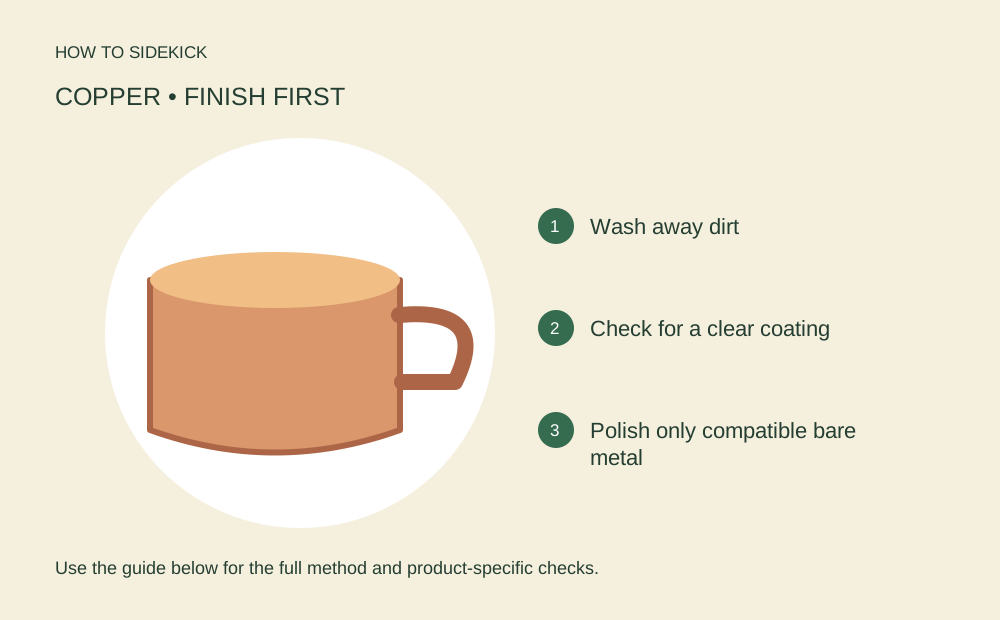
In “How to clean copper without damaging the finish”
Not automatically. Tin, stainless steel and other linings have their own care instructions. Use the pan maker’s method for the cooking surface.
In “How to clean copper without damaging the finish”
More rubbing may damage the coating without reaching the discoloration. Ask the maker about refinishing rather than escalating to acids or abrasives.
Wash away dirt gently before treating tarnish. Solid, uncoated brass may accept brass polish; plated, lacquered or unknown finishes call for gentler care and the manufacturer’s instructions.
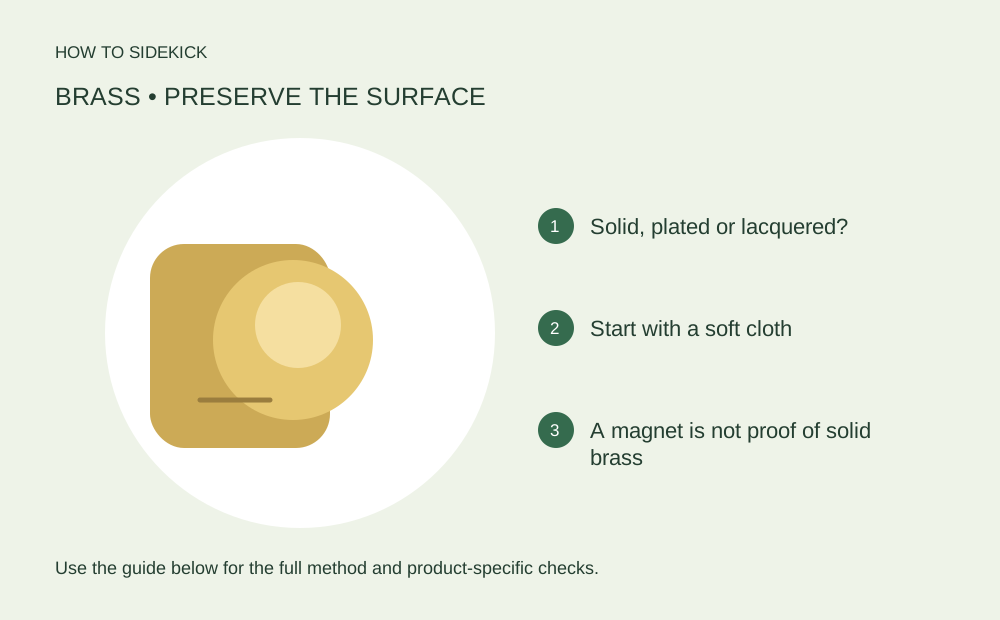
In “How to clean brass: solid, plated and lacquered finishes”
No. A thin plated layer can wear away. Use the maker’s approved care method and avoid abrasive polishing.
In “How to clean brass: solid, plated and lacquered finishes”
No. Aged brass and living finishes are designed to change. Removing that patina can alter the appearance you paid for.
Strip the bed and blot up liquid immediately. Follow the mattress maker’s spot-cleaning instructions, use as little moisture as practical and dry fully. For pet urine, consider an enzyme cleaner only if both its label and the mattress maker allow it.
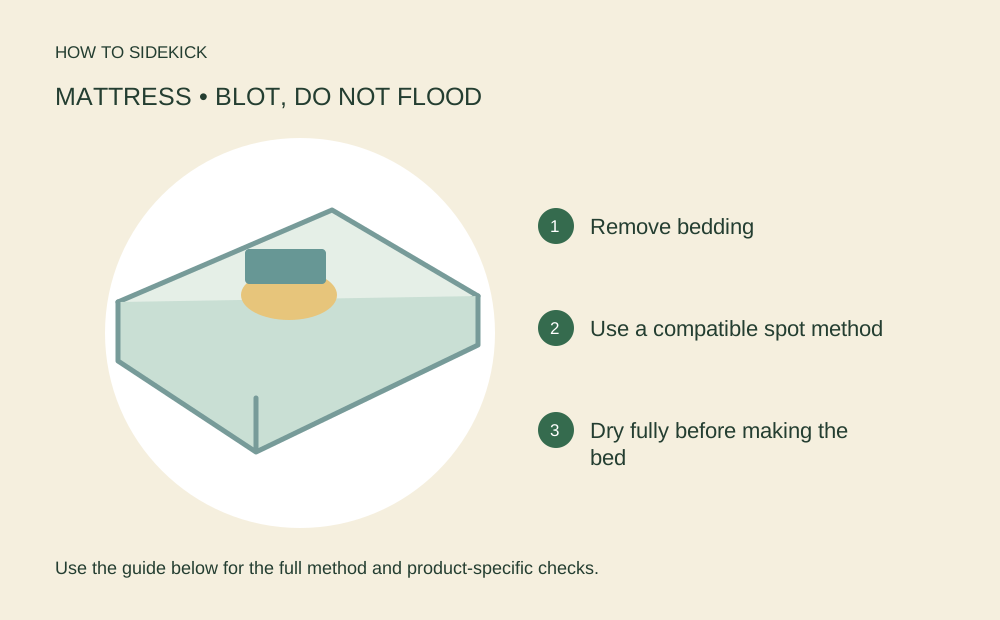
In “How to get pee out of a mattress”
Only if it is fully dry and suitable for use. A dry-looking cover does not establish that the layers below are dry.
In “How to get pee out of a mattress”
Only when the manufacturer explicitly permits removal and gives washing instructions. A zipper alone is not proof that the cover is washable.
Lift excess polish, check the fabric label and test a compatible remover in a hidden area. Blot onto a clean white towel, remove treatment as directed, then wash and air dry before checking the stain.
 How to clean everyday household surfaces10–15 minutes
 How do I clean a microwave safely?10–15 minutes
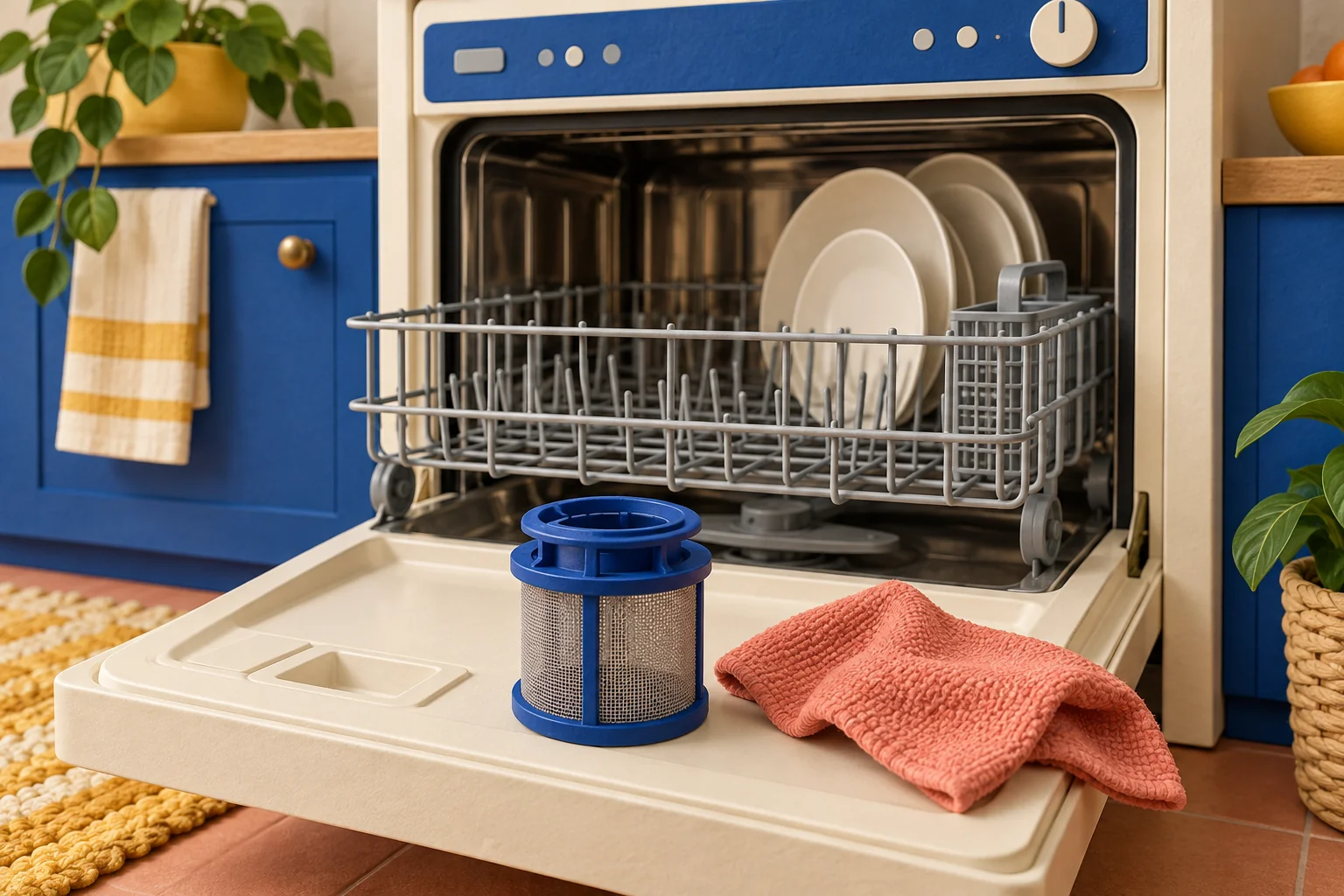 How to clean a dishwasher and its accessible filter20 minutes plus a cleaning cycle
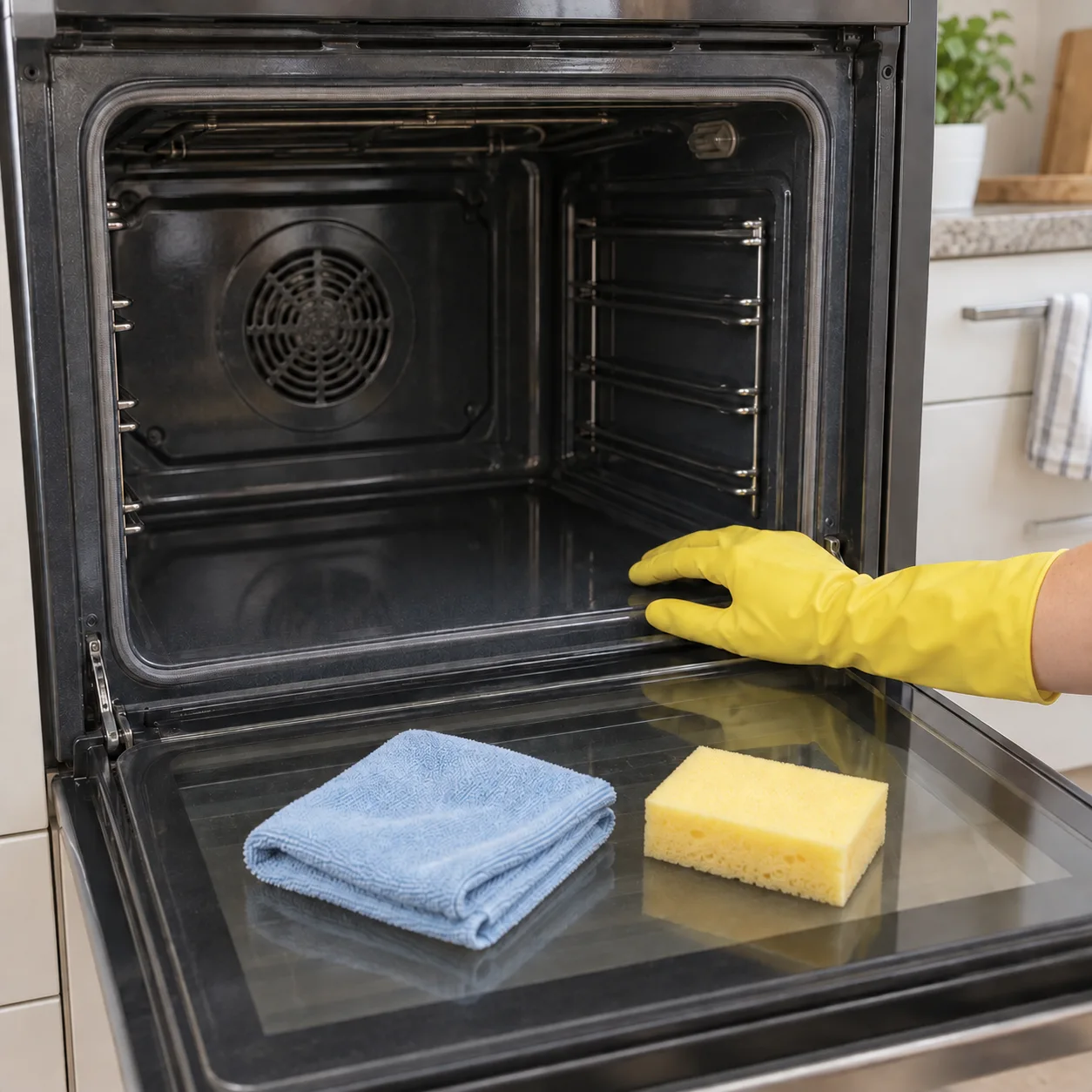 How to clean an oven by hand without damaging its finish30–60 minutes, plus any waiting time
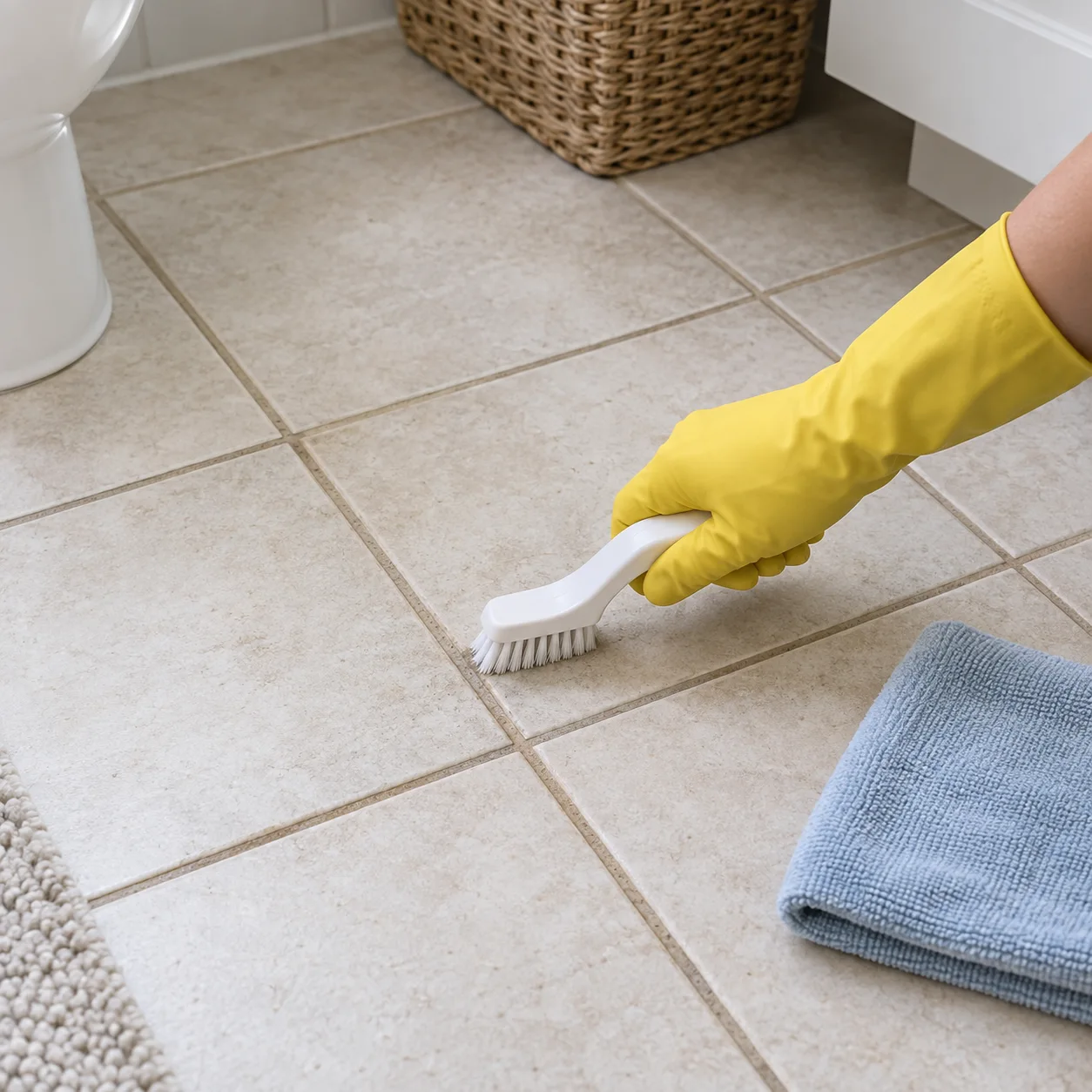 How to clean tile grout without damaging the tile30–60 minutes, plus any waiting time
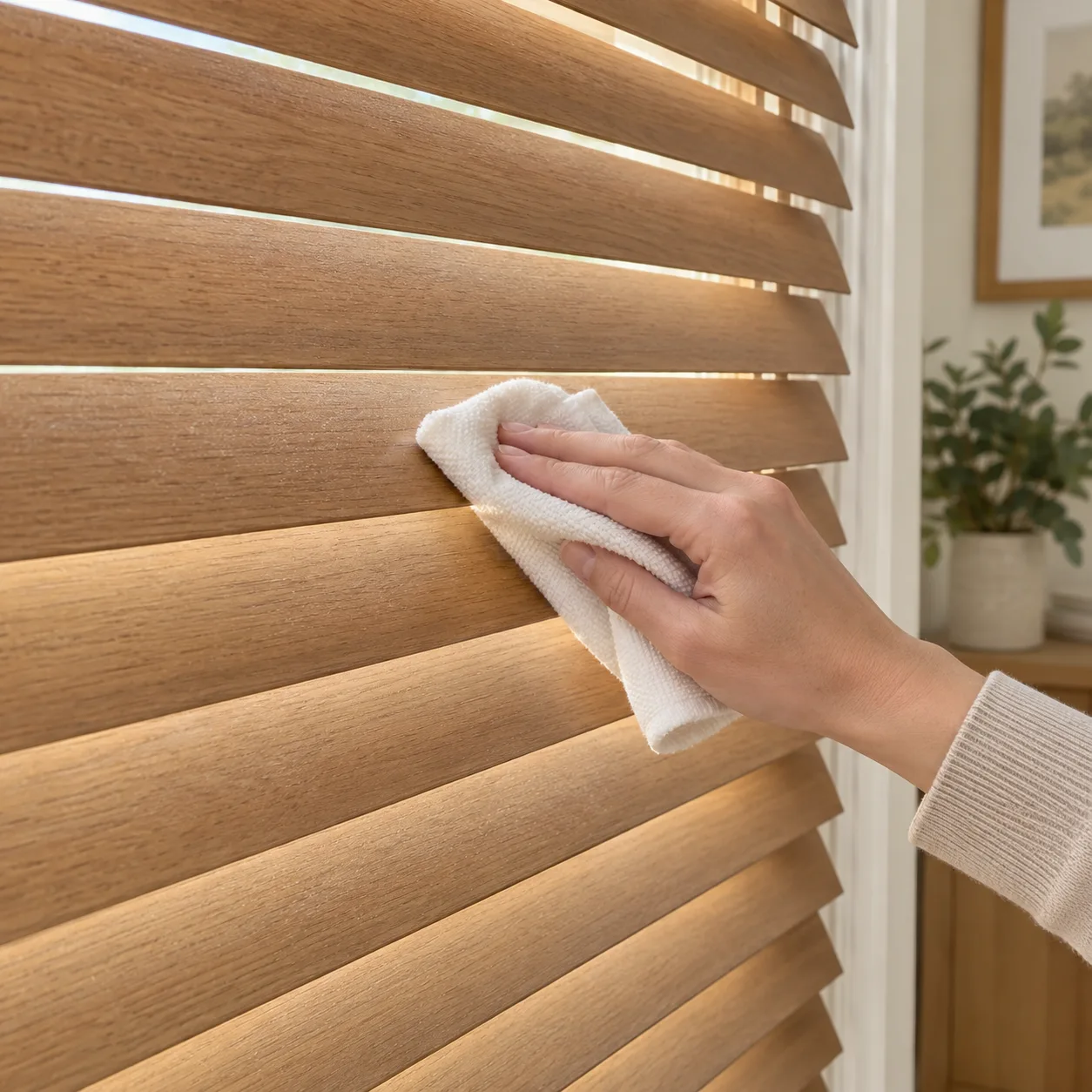 How to clean wood and faux-wood blinds while they hang15–25 minutes per window
Source checks for these answers: September 23, 2026 – September 24, 2026. Product instructions and local requirements can vary.