No. The balm maintains suitable leather's flexibility and durability, but Hestra says it does not make a glove waterproof. Check the model's construction if waterproof performance matters; a waterproof membrane is a separate feature. Use the recommended balm only on the appropriate sport-glove leather. Hestra specifically excludes its dress gloves, where the balm may absorb poorly and leave stickiness or uneven color.
Hestra warns that light leather will probably darken with balm, and its original color cannot be fully restored afterward. Some lightening may occur as the gloves dry and are used. Avoid trying to strip the treatment with stronger cleaners. Before future applications, test a hidden area and decide whether that color change is acceptable for the specific gloves you own.
For routine dirt, gently work on the affected area with a damp cloth and the high-fat soap specified in Hestra's care guide. Do not put the leather shell through a washing machine or unnecessarily soak it. Follow any model-specific instructions, especially when several materials are combined. Let the glove air dry at room temperature instead of using a radiator, heater or tumble dryer.
Hestra advises against turning gloves with fixed liners inside out because the lining, insulation and membrane can be difficult to reposition. If the liner is designed to come out, remove it and dry it separately. Air dry the shell upright at room temperature, using its hanging attachment if supplied. Keep it away from direct heat and wait until both parts are dry before storing.
Samsonite's general accessory-care guide recommends spot cleaning travel pillows with mild dish soap and water, followed by air drying. Do not assume the whole pillow is machine washable because its outer fabric resembles bedding. Check whether your model has a separately removable cover with its own care label. Keep water use controlled and let the cleaned area dry completely before putting the pillow into luggage.
On models with that requirement, the Fabric Softener, Clean Rinse or specified Deep Rinse option enables the appropriate dispensing and rinse behavior. Filling the cup alone is not enough. Check the control-panel wording against your owner's manual, measure the softener and avoid overfilling. Not every GE top-loader uses the same dispenser, so follow the instructions for its agitator or infusor arrangement.
No. GE says compatibility depends on the model and age, and many newer washers cannot accept an added cup. A washer without the required fabric-softener rinse option may also lack the spin behavior needed to release it. Check the model number with GE before buying an accessory or using a dispensing ball. A cup that physically fits an agitator does not establish that it will work correctly.
Overfilling can make softener release immediately instead of waiting for its intended rinse. Measure the dose and keep it below the dispenser's fill limit; follow that washer's directions about dilution. Whirlpool also warns against putting softener crystals into a liquid dispenser. If correctly filled liquid still releases at the wrong time, clean permitted removable parts and consult the model's troubleshooting guide rather than adding extra product.
No. Samsung instructs owners to empty the drum for calibration. Position and secure the washer correctly first, then use the button sequence in that model's manual; not every model has Calibration mode. Calibration helps the machine's weight detection after installation or adjustments. Do not run it with a towel or forgotten sock inside and treat the resulting measurement as a useful baseline.
Match the dispenser's concentration setting to the new liquid HE detergent. Whirlpool's documented system offers settings from 2x to 8x, but the controls and available values depend on the model. Read the detergent label and washer manual instead of leaving an old setting by habit. Automatic dosing cannot account correctly for every product change unless the stored concentration information is appropriate.
Do not use a single dose and the automatic dispenser together; Whirlpool warns this can cause excess suds. If you want to use a different detergent for one load, disable Load and Go using the model's controls and put that detergent in its approved location. The bulk reservoir is for compatible liquid HE detergent, not pods or powder. Recheck the setting before the next load.
Whirlpool directs owners to clean the liquid-detergent reservoir before switching brands. Remove the old product and clean the removable container according to the manual before refilling with compatible liquid HE detergent. Also update the concentration setting when necessary. Treat a brand change as a maintenance step, not simply a top-up; mixing leftovers can leave the dispenser holding a product combination its dosing settings do not describe.
On the supported Load and Go system, yes, but you must configure Dispenser 2 for liquid HE detergent, set its concentration and disable Dispenser 1 as directed. Thoroughly clean the reservoir before changing between detergent and softener. Check your specific manual because not every dual-compartment drawer offers this function. Merely pouring detergent into a softener compartment does not change when or how the washer dispenses it.
LG's cleaning guide advises cleaning the dispenser and its detergent sensor if a refill alert appears. Remove the drawer using the release, clean the approved components with water and a soft brush, rinse the sensor and dry with a soft cloth. Reassemble the valve and lids securely as the manual shows. If the alert persists after this maintenance, request service rather than repeatedly overfilling the tank.
On the illustrated LG design, you lift the compartment using its front handle; gripping the rear handle does not separate it. The rear handle opens the compartment lid instead. Remove the whole drawer with its release button first and compare the design with your manual. Do not pry at the plastic or force a different model's arrangement. Correct removal gives access for cleaning without breaking retaining parts.
The condenser is washed automatically during supported drying cycles, but LG also provides Condenser Care for additional cleaning. Its guide particularly suggests the extra care after non-drying cycles such as Air Dry. Check that your dryer actually supports the feature and follow its water-filling instructions exactly. Clean the lint filter first when needed. Do not pour water into an ordinary vented dryer based on another model's instructions.
Use Damp Alert if your model and selected cycle support it. Samsung describes the signal as occurring when the load is about 80 percent dry, giving you a chance to remove pieces that are ready or should finish on a hanger. Leave the heavier items to continue. Check fabric labels and the garments themselves; the alert is a useful interruption point, not proof every item has reached identical dryness.
A very small load may miss the moisture-sensor bars often enough that the dryer does not detect the remaining damp fabric. Samsung recommends checking the model's minimum load; its general guide uses about four regular bath towels as a reference. Choose a suitable manual timed cycle for tiny loads if the care labels allow it, and check progress. Do not assume an early stop proves the heater has failed.
Miele instructs owners to shake out rinsed lint filters and dry them carefully before reinstalling them, because wet filters can cause operating faults. Remove loose lint first and follow the model's steps for locking the filters back into place. Do not run the dryer with a filter missing while waiting. The door lint filters and the separate foam toe-kick filter have different care procedures; identify which part you cleaned.
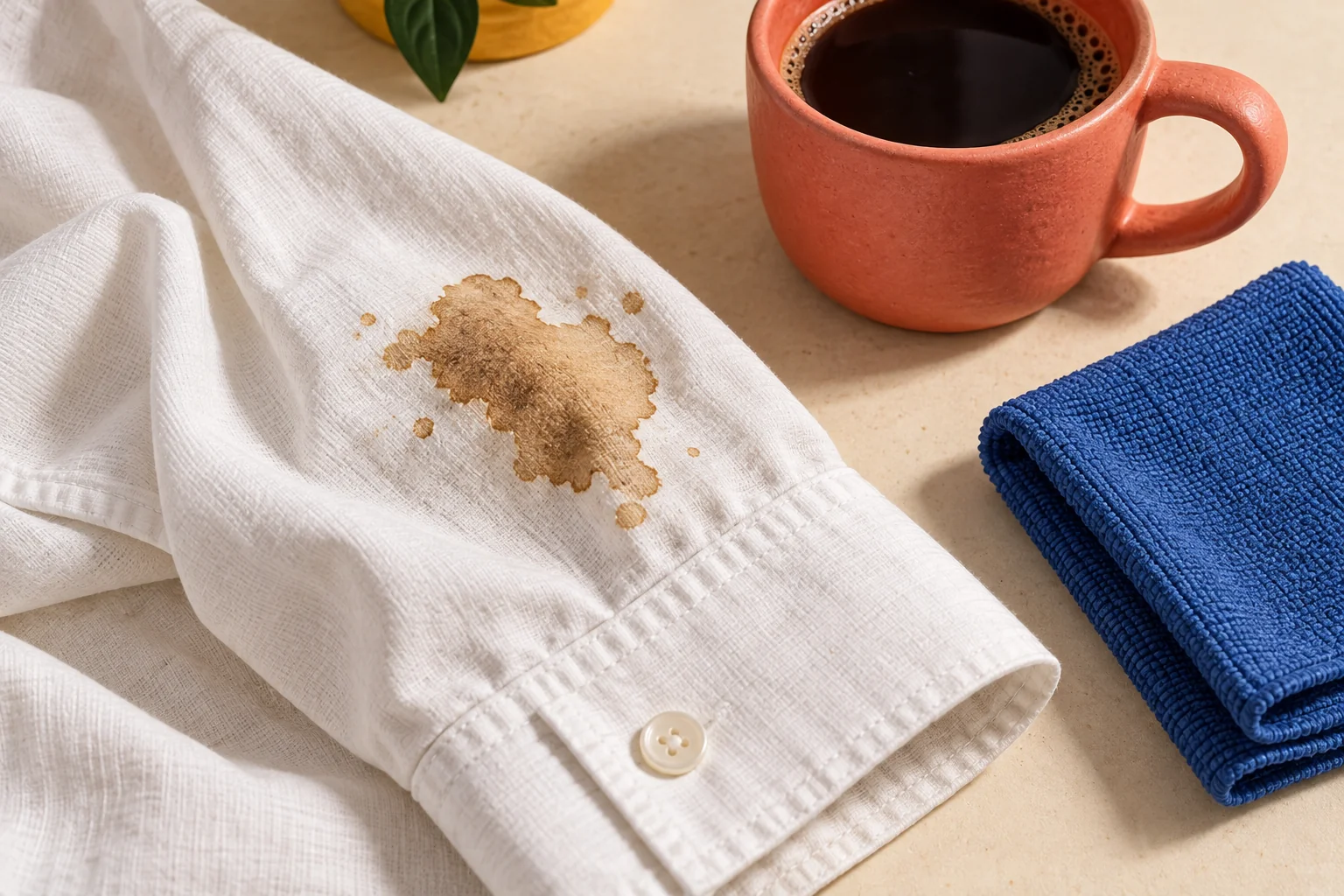
Follow the garment label, use a compatible detergent or stain treatment as directed, then inspect the stain after washing. Repeat treatment before machine drying if the mark remains.