Exposure to light and oxygen can change natural rubber's appearance. Manduka describes this oxidation in its eKO mats and advises storing them dry and away from direct sunlight. Use the manufacturer's rubber-mat care product and directions rather than stronger scrubbing or prolonged sun drying. Check whether the surface is still sound; discoloration alone and torn or deteriorating rubber are different problems.
For a compatible Quartet dry-erase board, cover the unwanted writing with fresh dry-erase marker, wait a few minutes, then erase. Follow with the board's approved cleaner and dry the surface before writing again. This can lift permanent ink but is not guaranteed on every surface or old stain. Do not escalate to abrasive pads that could permanently damage the writing surface.
This ghosting can occur when ink remains in the board surface. Erase the dry ink, use the board manufacturer's cleaner to lift residue, then wipe thoroughly dry with clean towels. Quartet recommends a second dry towel before writing again. Clean regularly and remove notes that no longer need to remain. Long-standing stains may not disappear completely, particularly on a worn or light-duty board.
Let the ink dry first. Haworth warns that wiping wet ink can smear it across the surface and make ghosting worse. Use a clean whiteboard eraser, then the cleaner approved for that board when residue remains. A dirty eraser can redistribute old ink. Finish any wet cleaning by drying the surface completely before adding new notes or drawing another line.
Haworth says its painted-steel storage mechanisms are lubricated at the factory and do not need routine lubrication. Clean accessible cabinet surfaces with mild soap and lukewarm water, rinse and dry with a soft cloth. If a drawer remains stiff, inspect for misplaced contents and contact product support rather than spraying oil into every slide. Follow the instructions for the actual cabinet model.
Check the shade's material instructions first. Ferm Living specifies a dry cloth for its hand-braided Rivan paper shade. Turn the lamp off, let it cool, and remove loose dust gently without compressing the weave. Keep liquid cleaner away from the paper and electrical parts. A stained paper shade needs the maker's advice; a cleaning method for washable fabric may distort this different material.
Optional supplies on Amazon
Affiliate disclosure: As an Amazon Associate I earn from qualifying purchases. How our links work.
Switch off the lamp and let the shade cool completely before handling it. UMAGE recommends a soft cloth wrung out in lukewarm water, with mild pH-neutral soap if needed, followed by a clean soft cloth to dry. Support the shade securely and keep moisture out of electrical parts. Avoid scouring pads and strong cleaners that can scratch or dull the glass surface.
Optional supplies on Amazon
Affiliate disclosure: As an Amazon Associate I earn from qualifying purchases. How our links work.
No. A shade combines fabric with a frame and may include joins or other materials that are not washable. IKEA directs users to clean its polyester MYRHULT shade with a duster. Turn off the lamp and let it cool, then remove loose dust gently while supporting the shade. Check the finished product's care instructions instead of relying on the word polyester alone.
Dab promptly with a soft, tightly wrung cloth, lifting as much liquid as possible without rubbing it farther into the cord. Carl Hansen & Søn notes that colored drinks can discolor its wax-treated paper cord. Avoid soaking or repeated scrubbing, and follow the chair's specific maintenance guidance. Once dry, assess the stain before seeking professional advice; more water does not necessarily improve the result.
Deeply colored textiles can transfer dye onto a paper-cord seat. Carl Hansen & Søn recommends a seat cushion when extra protection is wanted. Check the clothing's washing and color-transfer guidance before sitting on a pale seat again, and use the chair's approved cleaning method for any mark. Aggressive rubbing can wear the cord, so preventing repeat contact is useful even if a stain remains.
Use an upholstery attachment without a rotating brush. Herman Miller advises vacuuming its Pellicle suspension fabric to remove dust and warns that brushing can permanently change the fabric's appearance. Support the chair so it cannot roll away while you work, and use gentle passes. Treat the frame and armpads separately according to their care instructions; a method for those solid parts may not suit the suspension fabric.
No. Herman Miller specifies paste-wax care for polished aluminum components, following the wax maker's instructions, while ordinary frame surfaces use a mild-detergent cleaning method. Identify the base finish before treating it; a painted base is not polished aluminum. Clean away dust first and avoid abrasive kitchen cleaners. Keep any slippery residue off casters, flooring and the chair's seating surface when finishing the task.
No. Wicker describes a weaving technique, while the strands may be natural rattan or a synthetic material. Identify the material from the product information before adding water. Article warns that natural rattan can swell when wet and recommends gentle wiping without saturation. Follow separate instructions for resin wicker. Similar-looking woven furniture can require different cleaning and weather protection because its underlying material is different.
Check the chair's finish and care instructions, then wipe it with a damp cloth and mild dish soap diluted in warm water. Article uses this approach for its polypropylene outdoor furniture and advises against bleach. Remove the cleaning residue and let the chair dry before adding a cushion. Avoid treating a scratch as dirt; stronger scrubbing may change the surface rather than restore it.
Optional supplies on Amazon
Affiliate disclosure: As an Amazon Associate I earn from qualifying purchases. How our links work.
Dry rubbing can charge acrylic with static electricity and attract dust. PLEXIGLAS recommends a soft, lint-free cloth lightly moistened with water for ordinary dust, with a compatible antistatic plastic cleaner when needed. Avoid rubbing the surface completely dry after an antistatic treatment. Check the display maker's instructions first, especially for coated acrylic, and remove grit gently rather than polishing it into scratches.
Use the acrylic maker's approved method instead. PLEXIGLAS recommends warm water with a little detergent for routine furniture cleaning and warns that ordinary glass cleaners or furniture polish can damage or streak the material. Apply with a soft, damp cloth and avoid abrasive scrubbing. Do not infer compatibility from transparency: acrylic and glass need different care, and a cleaner suitable for one can harm the other.
Optional supplies on Amazon
Affiliate disclosure: As an Amazon Associate I earn from qualifying purchases. How our links work.
Identify the backing and read the exact product label. IKEA's genuine ULLERSLEV sheepskin prohibits washing, while its synthetic SVINDINGE rug permits a specified machine wash. The wool-like appearance alone does not establish washability. Genuine skins include a hide that may react differently from textile backing. For an unknown or valuable skin, ask the maker or a specialist cleaner before soaking it or selecting a wool cycle.
Follow the rug's care label. IKEA recommends regularly vacuuming, shaking and rotating its ULLERSLEV sheepskin to remove loose debris and distribute use. Work gently around the hide and stop if it is brittle or shedding unusually. Deal with a fresh spill using the specified spot method instead of wetting the whole rug. A routine dust-removal habit can reduce the need for more intensive treatment.
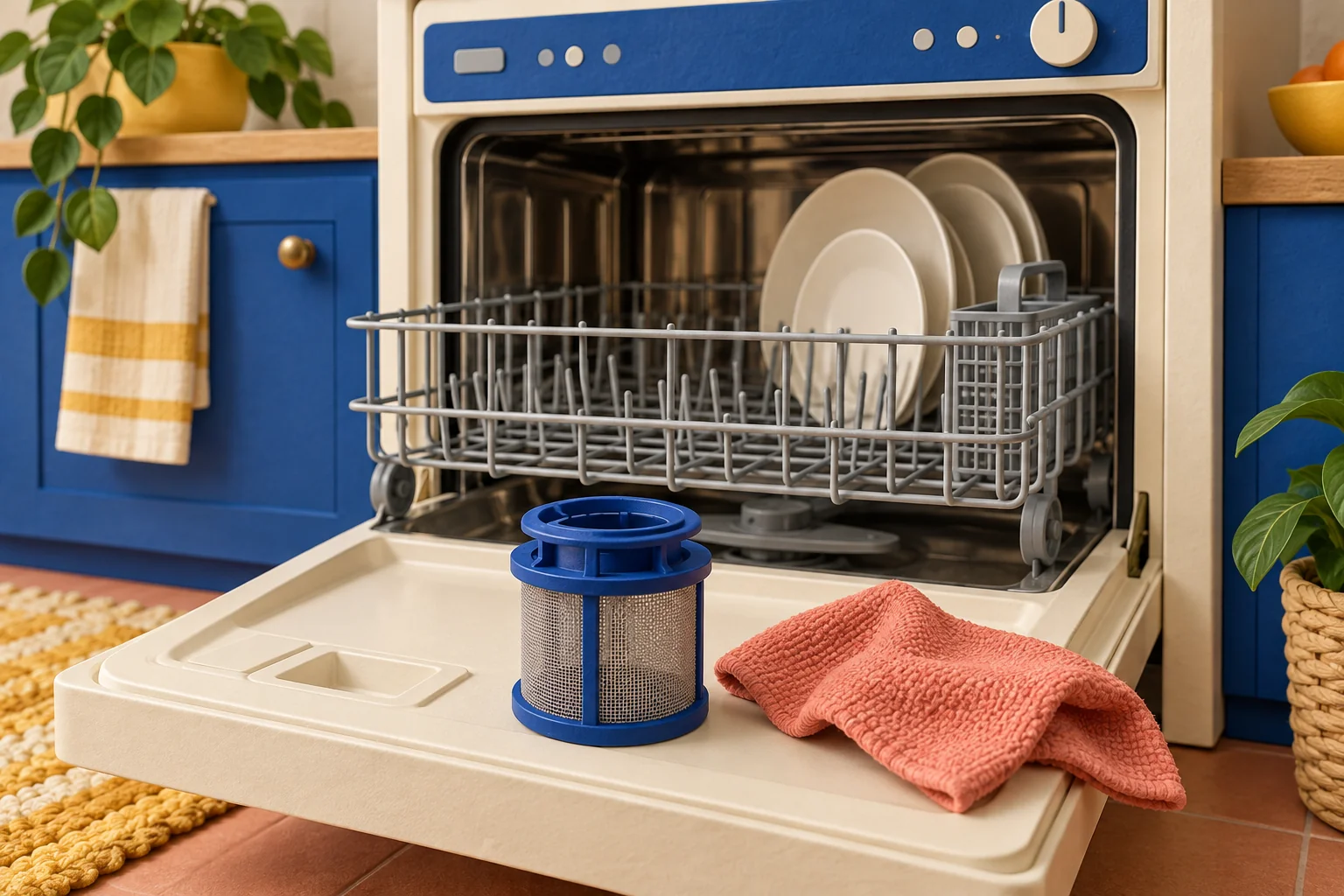
Follow the model's shutdown instructions and turn off its power before removing the accessible filter. Gently slide or lift out the mesh, rinse it with cool or lukewarm water, and avoid abrasive pads or high-pressure spray. Use mild soap only if needed and rinse thoroughly. Let it dry completely, seat it correctly, restore power, and reset the maintenance reminder if your model requires that step.
Replace a torn or warped filter with the correct part. Damage can let dust bypass the mesh and enter internal components, while a distorted filter may not sit properly. Identify the heater's model number before ordering, and follow its shutdown and replacement instructions. Cleaning cannot restore missing mesh or a damaged frame. Do not improvise a patch that could obstruct airflow or come loose.
Use a soft lint-free cloth that is only lightly damp, then dry the hinge afterward. Vacuum loose wood chips or installation debris instead of driving them into the mechanism. Blum advises against steam cleaning and harsh cleaning chemicals. Work carefully around the cabinet finish, and investigate a continuing mechanical problem through the hinge's support instructions rather than trying to flush it clean with liquid.
Optional supplies on Amazon
Affiliate disclosure: As an Amazon Associate I earn from qualifying purchases. How our links work.
The backing and floor beneath also need to dry. Lift the mat, clean the exposed floor, and allow both surfaces to dry completely before replacing it. Chilewich also recommends occasionally airing the mat between cleanings. Leaving a clean-looking top over trapped moisture misses part of the maintenance job. Use only care methods approved for the specific woven or shag product and the flooring below.
Chilewich advises against acetone, Pine-Sol and citrus-based cleaners because they can degrade or discolor the material. Start by removing loose dirt, then use the product's approved cleaning method and test any suitable spot cleaner discreetly. Do not machine wash or iron the mat. Different Chilewich products have different instructions, so use the floor-mat guidance rather than copying a treatment from a placemat or coaster.
LEGO recommends hand cleaning with a soft cloth or sponge and water no hotter than 104°F or 40°C. A mild detergent is acceptable if rinsed away thoroughly. Avoid washing machines, dishwashers and heated drying methods, which can alter the pieces' shape. Separate electronic or metal-containing parts before wet cleaning, and dry ordinary bricks away from direct sun before returning them to storage.