Choose a tray that drains well, ideally with a suitable mesh bottom, and is easy to remove and clean. A solid basin can hold rainwater against the seed even when the tray looks attractive. Offer a small quantity and clear wet leftovers promptly. Check any removable liner as well as the outer frame, since a liner that blocks drainage can defeat the feeder's design.
A roost box is designed for birds sheltering from cold rather than raising a brood. It often has an entrance near the bottom to retain rising warm air and interior perches that provide resting space. A nesting box usually has different ventilation and layout priorities. Use a proper roost-box design instead of sealing an occupied nesting box or making arbitrary changes to its entrance.
Choose a sheltered location protected from prevailing winds, and mount the box securely with protection against climbing predators. In the Northern Hemisphere, a sunny southern exposure can help it receive winter warmth. Keep access practical for inspection and cleaning when it is unoccupied. Placement should suit the local birds and weather; a decorative box in a very exposed position may offer little useful shelter.
A carton craft can demonstrate the idea of a birdhouse, but it generally lacks the weather resistance, insulation, and durability expected of a functional nest box. Use a suitable untreated-wood design for actual nesting, with drainage, ventilation, and dimensions matched to the intended species. Keep decorative craft versions separate from the nesting project rather than assuming an entrance hole alone makes any container suitable.
Leave out yarn, string, human hair, and dryer lint. Long fibers can entangle birds, while lint and treated materials are poor substitutes for natural nesting resources. Support nesting habitat by leaving appropriate twigs, leaves, and other natural material where it is safe and practical to do so. Birds usually find their own supplies; an attractive bundle of craft leftovers is not automatically a helpful addition.
Check which cosmos you have. The familiar annual cosmos grown from seed completes its life cycle in one season, while chocolate cosmos, Cosmos atrosanguineus, is a perennial. Chocolate cosmos is not reliably hardy, so its survival needs appropriate winter protection. Keep the plant label when buying it; a shared common name does not mean both plants need the same end-of-season treatment.
Cosmos needs full sun for a good flower display and will not flower well in shade. Choose ordinary garden soil that drains freely without becoming extremely dry and poor. Avoid a heavy, soggy site as well. If plants are leafy but the bed receives little direct sun, reassess the location before adding fertilizer; feeding cannot replace the light the plants need.
Regularly picking flowers helps sweet peas keep flowering, so cutting small bouquets is useful maintenance. Remove fading blooms before the plant concentrates on developing seed pods. Continue looking over the plant rather than cutting only the most obvious flowers once. These are ornamental sweet peas, Lathyrus odoratus: their pods resemble garden peas but are poisonous and must not be eaten.
When young sweet peas are about 10 cm tall, pinch out the growing tip to encourage a stronger, bushier plant. Keep the remaining leaves and shoots intact. Provide canes, twiggy supports or a trellis as growth continues so the developing stems can climb. Pinching is an early training step; it does not replace support or regular attention to the growing plants.
Check whether the seed packet describes a bush or climbing variety. Nasturtiums are sold in different growth habits, so a compact bedding layout will not suit every packet. Choose the habit before sowing, then allow the plant the space its label describes. Flower color alone does not identify how much room the mature plant will need in a pot or border.
Yes. Prepare a weed-free, sunny patch of well-drained soil and sow where the plants will flower. The RHS suggests drills about 20 mm deep and thinning crowded seedlings to roughly 30 cm apart. Use the packet's local sowing guidance for timing. Mark the rows so you can recognize the seedlings and keep emerging weeds from taking the space intended for them.
Many hollyhocks flower in the second year after sowing, so a leafy first season can be normal. Check the seed variety and sowing date before treating the plant as a failure. Keep young plants growing well in a sunny, well-drained position and protect them from slug damage. The first season's healthy growth supports the taller flowering display you are waiting for.
Hollyhocks are often short-lived, and older plants can accumulate rust problems. Keep some healthy young seedlings to replace declining plants rather than relying indefinitely on one old clump. Move self-sown seedlings while they are still small. Remove dead and diseased material at the season's end. Seed-grown offspring may differ from a named parent, so flower color is not always preserved.
Many summer-flowering hardy border geraniums respond to cutting back to ground level after their flowering stems finish. This encourages a fresh mound of foliage and sometimes more flowers. Water the clump in dry weather to help regrowth. Check the species first: this treatment is not advice to cut back an unflowered rosette of a tender geranium or every plant sold under that common name.
Geranium malviflorum is one of the spring-flowering geraniums that naturally becomes dormant in summer. Tidy the old foliage if needed and keep track of its position so you do not dig up the resting plant. Fresh growth can appear in autumn. Check the botanical name before diagnosing a problem, since most familiar border geraniums follow a different seasonal pattern.
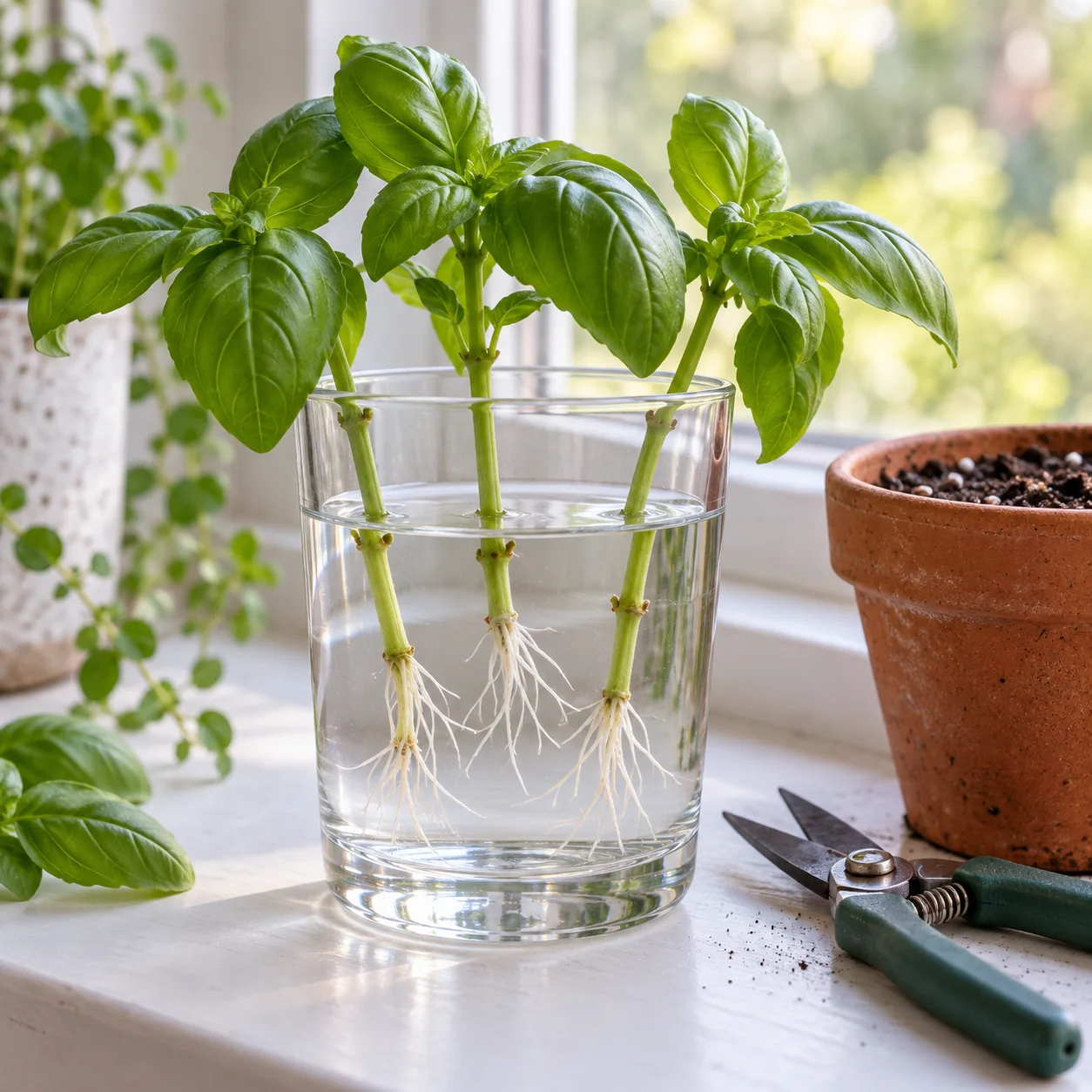
Take softwood cuttings in late summer and overwinter the rooted young plants in good light indoors. They take less room than large woody parents. Water sparingly during winter, letting the potting mix dry between waterings, and resume growing them on as conditions improve. Allow enough time for rooting before cold weather; taking cuttings at the last moment leaves little margin for establishment.
No. The RHS describes bare-root storage as the least reliable method and suitable mainly for plants with tough woody stems. The storage space must remain frost free, even if it is a garage or shed. Keeping a few plants in pots in a bright, airy, frost-free place is often more manageable. Choose a method that matches your plant type and actual winter conditions.
Division is not always successful because border lupins develop a deep taproot. If a plant has several distinct crowns, those may be divided in early spring, but do not assume any large plant will separate neatly. Basal cuttings are another propagation option. Wear gloves when handling lupins and keep plant material away from anyone who might mistake it for edible peas or beans.
Overpotting can contribute to poor flowering in container lupins, as can leaving a plant excessively pot-bound. Repot into a container only slightly larger when needed, rather than making a very large jump. Check light and care as well: lupins flower poorly in shade. Inspect the root space before deciding that the answer to every weak display is another larger pot.
Set the crown, where the leaves emerge, slightly above the soil or potting-mix surface. Keeping it exposed helps prevent soil and water collecting around it and causing rot. Keep mulch clear of the crown too. Gerberas need a well-drained root environment; burying the crown more deeply to make a loose plant feel secure can create a worse problem than it solves.
Avoid wetting the crown and foliage. Let the potting mix dry a little between waterings; you can water from below by standing the pot briefly in water until the mix is damp, then allowing it to drain. Do not leave it standing in water for long periods. Be especially restrained in a cool winter location, when overwatering can rot the crown or roots.
Put a grid support in place before new growth reaches about 30 cm, so the stems can grow through it. Tall flower spikes are vulnerable to bending and breaking, particularly in wind. Individual tall stems can also be tied to a sturdy cane with soft twine as they grow. Waiting until fully flowering stems collapse makes it much harder to restore a natural upright shape.
Yes. To encourage particularly tall stems on an established clump, retain roughly five to seven of the strongest young shoots in spring and remove weaker ones. This is a deliberate choice for fewer imposing spikes, rather than a requirement for every plant. Keep suitable support in place as they grow. Wear gloves when handling delphiniums because their foliage can irritate skin.
Leave foliage and much of the top growth to help protect the plant through winter, saving hard pruning until spring after the last frosts. You can remove seed heads while retaining protective growth. This guidance concerns the familiar border penstemons; hardiness varies among species and cultivars. Check the particular plant and your local conditions instead of applying one autumn cleanup routine to the whole border.
Source checks for these answers: September 23, 2026. Product instructions and local requirements can vary.