Oven-safe does not mean suitable for direct burner heat. Pyrex's instructions prohibit stovetops, broilers, grills, and other direct heat sources for the covered glassware. Use a pan designed for the cooking method instead. Read the exact item's guidance before transferring it between appliances, because a glass casserole, glass storage dish, and specialized stovetop vessel may have different limits.
Yes. Position the flexible bread mat on the suitable tray or grid before loading and moving the food. Silpat recommends a perforated baking tray for the bread model's best results. The mat supplies a release surface, not the rigid support of a baking sheet. Match the mat size to the tray and follow that particular product's temperature and handling instructions.
Optional supplies on Amazon
Affiliate disclosure: As an Amazon Associate I earn from qualifying purchases. How our links work.
The manufacturer says its bread mat does not require added butter, oil, grease, or spray for release. Place the prepared dough directly on the mat and follow the recipe's separate instructions for any oil belonging in or on the dough. Adding a coating out of habit is different from using oil as an actual recipe ingredient or finishing treatment.
No. In the cited blend, warmth comes from aromatic spices such as cumin, cardamom, cinnamon, cloves, and black pepper rather than chile. Follow a blend recipe suited to your dish instead of adding cayenne merely because the name suggests heat. Toast the specified seeds and grind the measured spices together; changing the balance changes flavor even without making the mixture hotter.
Yes. The cited recipe permits either a spice grinder or a mortar and pestle. Work with its small measured quantities and break down the tougher pieces until the blend reaches the desired fineness. Toast only the seeds identified in the method rather than automatically roasting every ingredient together. A broad mixture of whole spices needs more deliberate grinding than a spoonful of powder.
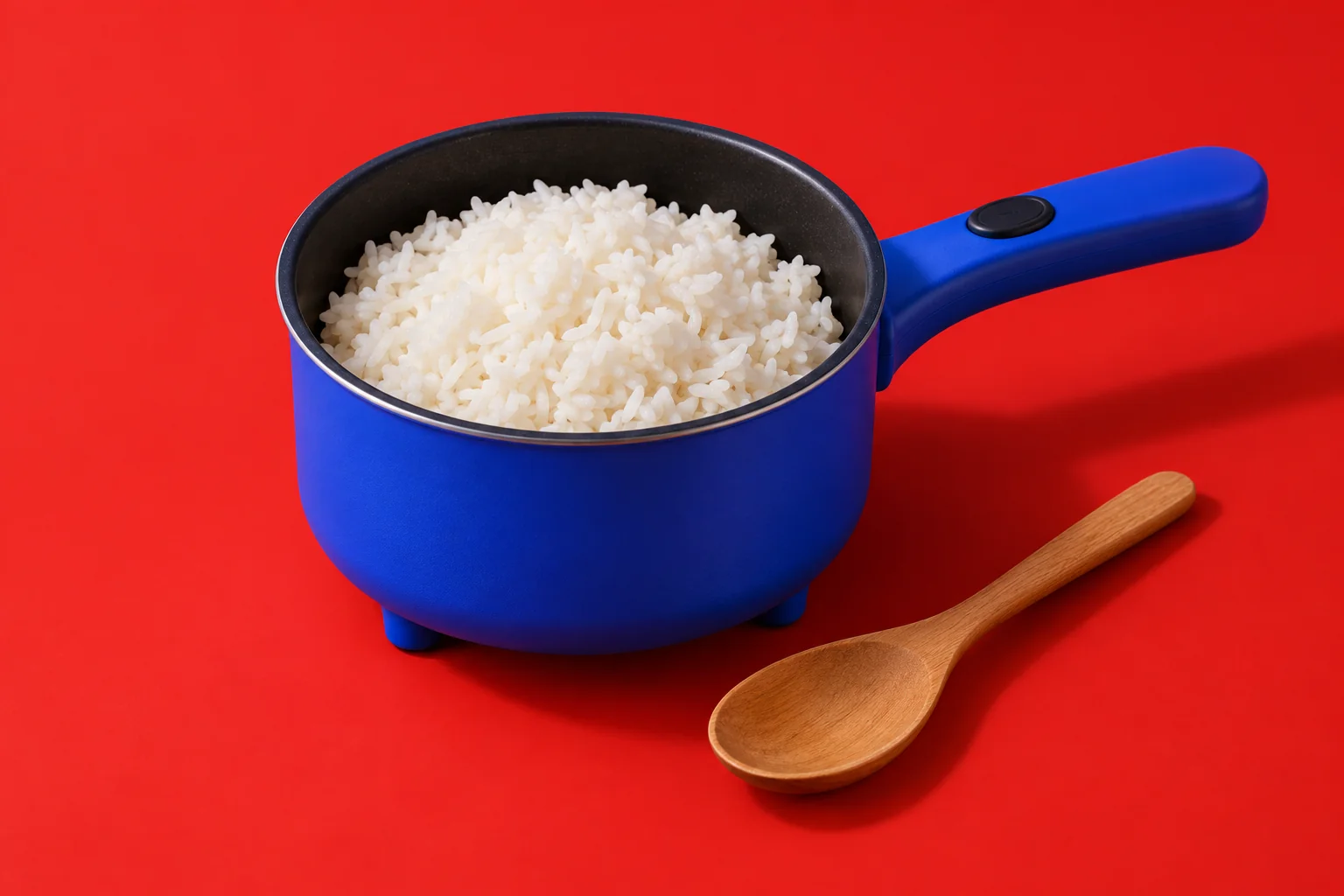
It can make rice pudding, but expect a different texture. King Arthur favors small-grained sushi rice or Arborio because they release enough starch to make the liquid creamy. Use the rice identified by your recipe when you want its result, and stir as directed during simmering. Changing the variety may change both the texture and how quickly the liquid is absorbed.
The final addition loosens the cooked mixture and helps it stay smooth rather than clumping. In the cited recipe, most dairy simmers with the rice, while a smaller reserved portion and vanilla enter after the pan leaves the heat. Follow that division when measuring. The pudding continues thickening as it rests, so do not judge its final texture the moment simmering stops.
Reducing excess moisture helps the mixture form patties with a better texture. The cited recipe finely chops and roasts the vegetables, then dries cooked black beans in the oven until their skins split. Those are deliberate preparation steps, not interchangeable with adding raw wet vegetables. Follow the recipe's binder quantities afterward instead of trying to absorb unlimited moisture with extra breadcrumbs.
A grill-safe skillet can support them more reliably. Inspired Taste recommends a cast-iron pan on the grill for its vegetable burgers because they are less cohesive than meat patties and may fall apart on open grates. Move them gently with a broad spatula. Use the recipe's complete cooking instructions and the pan's heat limits rather than treating browning on one side as completion.
Drain the excess liquid when you split the cooked, cooled eggplant before scooping out its flesh. This helps the dip keep body instead of becoming watery. Mix the soft flesh with the measured tahini, lemon, garlic, and seasonings, then assess the texture. Adding every drop first and compensating with large amounts of tahini can overwhelm the eggplant flavor you wanted.
Fresh bread works, although older, drier bread generally crisps sooner. Cut or tear it into manageable pieces, coat with the recipe's oil and seasoning, then bake until crisp while checking its progress. Base the timing on the pieces in your tray rather than a fixed clock alone. Bread moisture and chunk size both change how quickly croutons finish.
Optional supplies on Amazon
Affiliate disclosure: As an Amazon Associate I earn from qualifying purchases. How our links work.
Yes. Torn chunks work as well as neat cubes when their overall size is reasonably consistent. Toss them with enough oil to coat the surfaces and spread them for baking. Tiny crumbs will finish before large pieces, so avoid mixing extreme sizes in the same batch. Check the rough edges as they color and remove finished pieces if necessary.
Optional supplies on Amazon
Affiliate disclosure: As an Amazon Associate I earn from qualifying purchases. How our links work.
Yes, if you plan how to handle the skins afterward. The cited method cooks cored apple pieces with their peel, then uses a food mill to separate most of it from the soft sauce. A sieve also works, while blending incorporates the skins instead. Peel first when you want a simple mashed texture without another separating step at the end.
Taste the softened apples near the end of cooking before deciding whether they need sweetener. Naturally sweet varieties may need none, while tart apples may benefit from a small addition. Stir in a little at a time and taste again. Choosing several apple varieties gives a different flavor balance from using one variety, so last batch's sugar amount is not automatically correct.
Follow the noodle maker's method; it can differ from Italian pasta guidance. Hakubaku's warm soba recipe cooks the noodles, rinses them thoroughly with cold water, then warms them by pouring hot water through the drained noodles in a sieve. Add the sauce afterward. Check your package's cooking time rather than assuming every buckwheat noodle has the same thickness and composition.
Not necessarily. Thai Kitchen directs you to bring water to a boil, remove the pot from the heat, then soak its thin rice noodles for three to five minutes until soft but still firm. Drain and combine with the dish promptly. Check the specific package, since wider or differently prepared noodles may use another method; continuous boiling can oversoften a thin product.
Thai Kitchen suggests a gentle warm-water rinse for its softened thin rice noodles. Loosen them carefully rather than pulling dry clumps apart with force. Drain well afterward so you do not dilute the sauce. Prepare the other ingredients before softening the noodles when possible; a quick move from draining to the finished dish reduces the time available for them to stick.
Let the soaking liquid settle and pour off the flavorful upper portion carefully, leaving the sediment behind. South Mill's recipe specifically warns against swirling the container before pouring because grit can collect at the bottom. Use the clean portion in the recipe's cooking liquid. Do not empty the final cloudy splash into the pan just to avoid leaving a spoonful behind.
Optional supplies on Amazon
Affiliate disclosure: As an Amazon Associate I earn from qualifying purchases. How our links work.
Reserve a clean portion before adding raw meat if you want an easy sauce. Marinade that has already touched raw meat or poultry must come to a boil before it is reused. Simply warming it or stirring it into a finished dish is insufficient. Keep the reserved portion separate, with its own clean utensil, so it stays uncontaminated.
Do not partially cook chicken, refrigerate it, and finish it later. The first heating may leave harmful bacteria alive. Plan to cook it completely in one session instead. Partial cooking in a microwave or another method is acceptable only when the chicken moves immediately to a hot grill to finish cooking, without a storage break between the two stages.
USDA permits cooking frozen beef in an oven, on the stove, or on a grill. Expect it to take roughly half again as long as thawed beef, and check doneness with a food thermometer rather than the clock. This does not extend to a slow cooker: thaw the beef first for that method. Follow the appropriate temperature for the cut.
Optional supplies on Amazon
Affiliate disclosure: As an Amazon Associate I earn from qualifying purchases. How our links work.
The red liquid is mainly moisture released from the meat, rather than a pool of blood. Most blood is removed during slaughter; beef contains substantial water, which mixes with proteins from the muscle. Treat the package liquid as raw meat juice when handling it. Its presence alone does not tell you whether the beef has been stored safely.
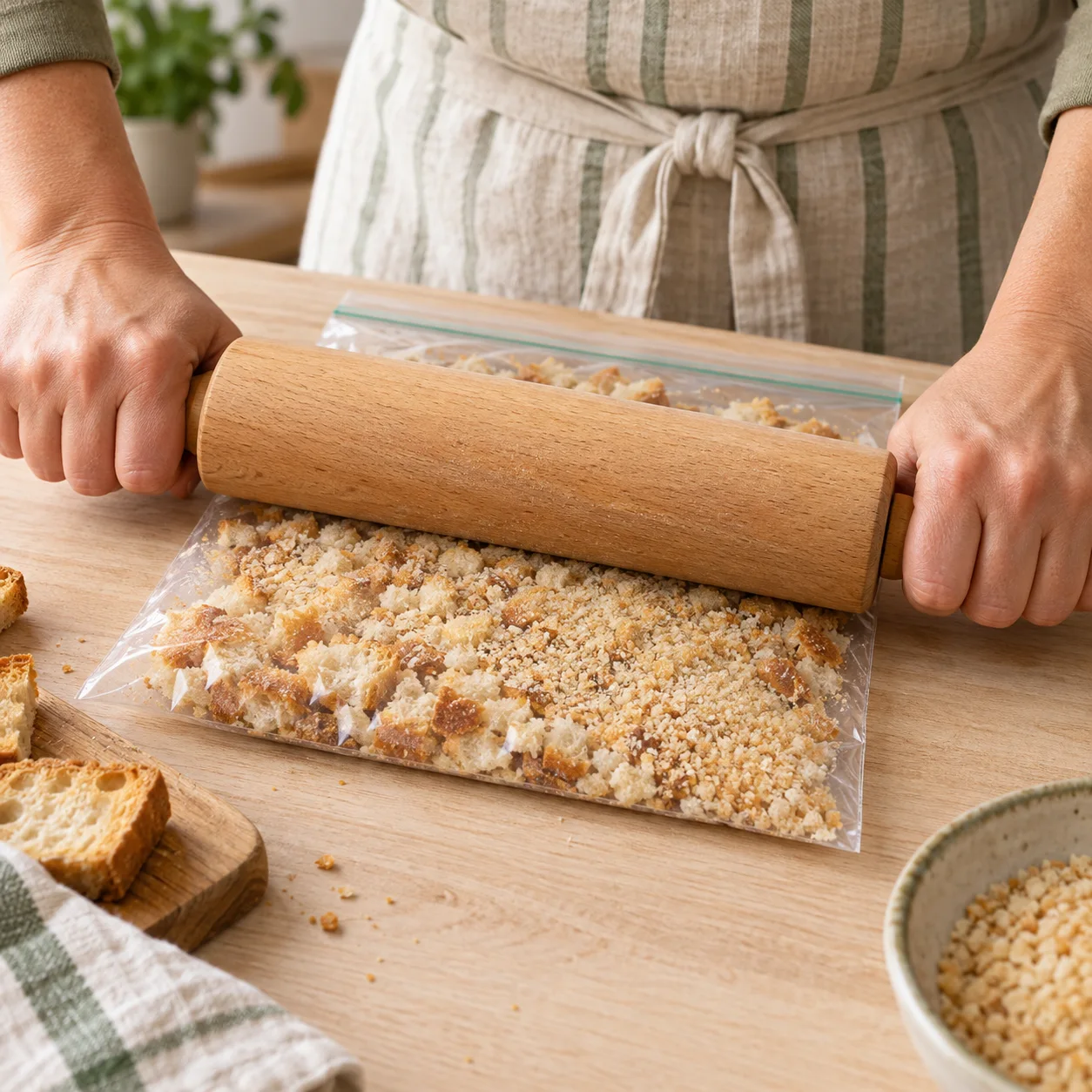
Cut or tear bread into small pieces, toast them until dry and lightly golden, and let them cool completely. Put the cooled pieces in a sturdy food bag and crush them with a rolling pin. Stop when the texture suits the dish: a fine coating needs more crushing than a rustic topping. Check for large hard pieces before using them.
Cool toasted bread first, then crush it inside a sturdy bag to the texture you need. Open full-size image ↗
Optional supplies on Amazon
Affiliate disclosure: As an Amazon Associate I earn from qualifying purchases. How our links work.
Protect the head in a packet rather than leaving the exposed cloves uncovered. Cut across the top to reveal the cloves, drizzle with olive oil, and enclose it in foil or secured parchment. Roast until the cloves soften and color; the recipe uses 400°F and checks within a broad forty to seventy minute window because heads vary in size.