Allow the roasted head to cool enough to handle, then squeeze the soft cloves from their skins. Properly roasted garlic should be creamy enough to mash into butter, potatoes, dips, or sauces. If the cloves are still firm, more roasting is needed before squeezing. Exposing the cloves by cutting the top from the head before roasting makes this step easier.
Try a shorter roast and judge the strands, not just the softness of the shell. Love and Lemons roasts cut halves at 400°F for about thirty to forty minutes, stopping while the flesh retains some firmness. A very long roast can make the strands collapse. Squash size and oven behavior vary, so start checking before committing to a full hour.
Prick the skin all over with a fork, then soften the whole squash briefly before attempting to halve it. Love and Lemons suggests ten minutes in a 400°F oven or short microwave bursts. Let it become manageable to handle, stabilize it on the board, and cut carefully. This preliminary heating only eases cutting; continue with the full roasting method afterward.
The seeds need another stir after their initial soak. Mix the pudding thoroughly, refrigerate it, then stir again after an hour or two to break up clusters at the bottom and throughout the jar. Separated seeds can absorb liquid more evenly. Cover and continue chilling until the mixture has a pudding texture, rather than expecting the first shake to do everything.
Optional supplies on Amazon
Affiliate disclosure: As an Amazon Associate I earn from qualifying purchases. How our links work.
First stir thoroughly and check whether seeds have gathered in clumps instead of absorbing the liquid evenly. If it remains thin after its overnight chill, add a little more chia, mix well, and refrigerate for several additional hours. The new seeds need time to hydrate. Adding a large handful immediately before serving can leave a gritty mixture instead of smooth pudding.
Optional supplies on Amazon
Affiliate disclosure: As an Amazon Associate I earn from qualifying purchases. How our links work.
Keep the ingredients cold and mix briefly, leaving small lumps. A long, vigorous whisking develops a heavier coating instead of the delicate texture you want. Have the prepared vegetables and frying setup ready before mixing so the batter can be used promptly. Lightly combining cold flour, egg, and iced water works better than making a smooth batter well ahead of cooking.
Dry the prepared vegetables before coating them. A light dusting of flour helps the wet batter adhere to their surfaces. Choose vegetables that suit the method; very watery pieces are harder to coat successfully. Dip shortly before frying and work in small batches. The aim is a thin attached shell, so a heavy flour layer is not the solution.
Keep the back side relatively flat and pleat the front edge against it. Place filling in the center, lightly moisten the rim, and fold the wrapper into a half moon. Make each small fold on the front, then press it firmly to the back edge. Finish by checking the entire seam so decorative pleats do not hide an unsealed opening.
Set completed dumplings on a parchment lined tray and cover them while working through the remaining wrappers. Keep their flat bases down and leave space so the wrappers do not stick together. Organizing a small filling station helps you finish each dumpling promptly. The covering protects the delicate dough while you work; it is not a reason to leave filling out indefinitely.
Keep the starch if your recipe uses it as a binder. Squeeze the grated potatoes and onion over a bowl, let the liquid stand briefly, then carefully pour away the watery portion. The pale starch remains at the bottom. Mix it back into the potato mixture with the other ingredients, scraping the bowl so the settled layer is included.
For the method described by KQED, grate only what you can fry in a few batches. Grated potatoes release liquid and darken as they wait, which makes a large advance batch troublesome. Work through grating, squeezing, mixing, and frying in manageable rounds. Alternating onion with potato during grating can help limit discoloration, but it does not eliminate the need to work promptly.
Slice off the top and bottom to create a stable base, then cut away the peel and white pith following the fruit’s curve. With a small sharp knife, cut beside each membrane to release the flesh between them. Work carefully over a bowl to catch the juice. These clean segments are useful in salads where tough membrane would be distracting.
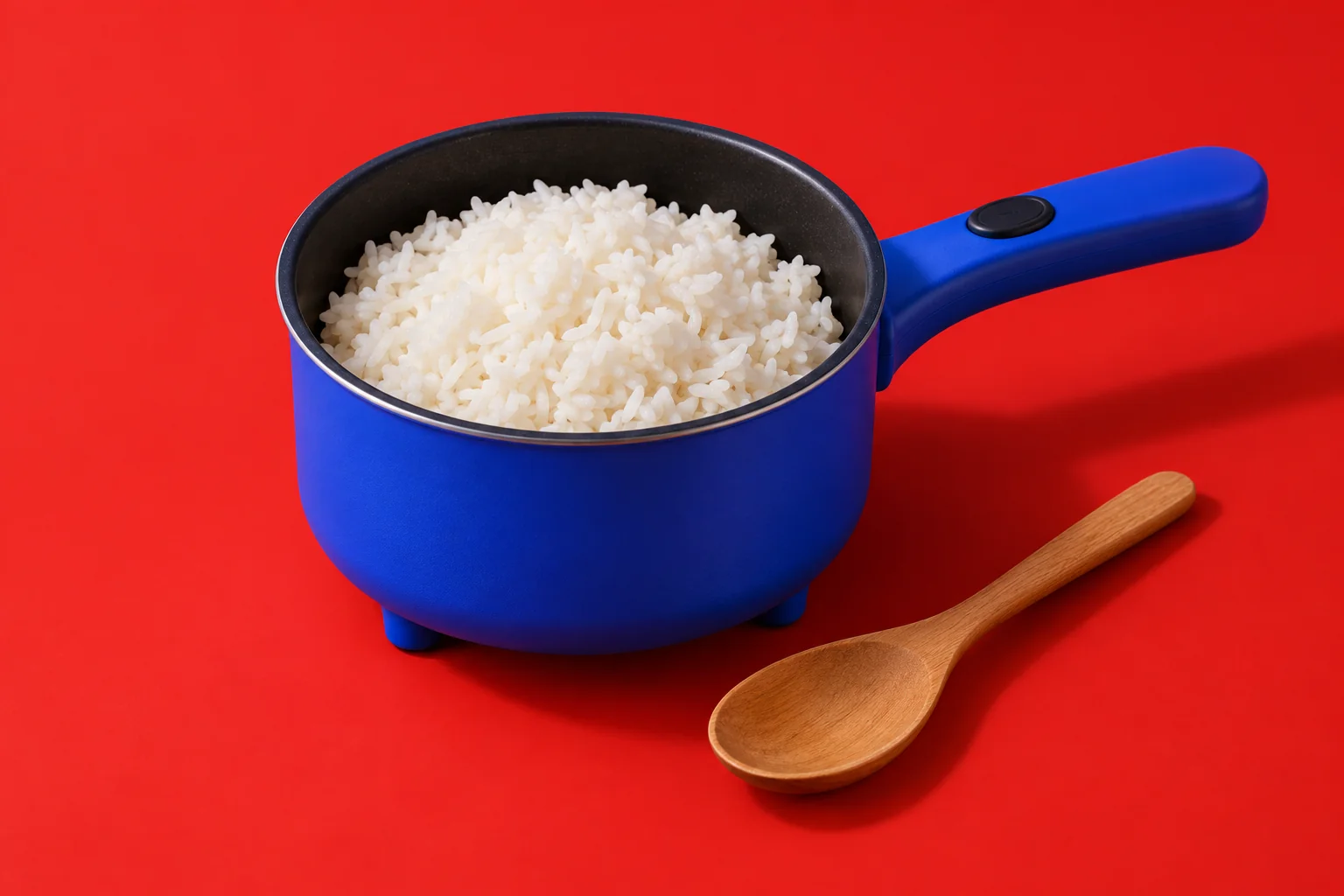
Use freshly cooked Japanese short grain rice and shape it while pleasantly warm. Long grain varieties do not give the same cohesion. Moisten clean hands to reduce sticking, then press firmly enough to hold the rice together without crushing it. Rotate the ball as you apply gentle pressure. A rice mold can help with shape, but it cannot correct unsuitable rice.
Add the nori immediately before eating if you want a crisp wrapper. Moisture from the rice softens seaweed quickly, so an already wrapped rice ball will have a different texture. Keep the nori separately sealed until you need it. Soft nori is also a normal serving preference; the timing depends on the texture you want, rather than one required wrapping method.
Adding miso near serving time protects its delicate aroma. Cook the other ingredients in the broth as needed, then turn off the heat and dissolve the paste. A vigorous boil after that can flatten its fragrance and flavor. Taste before adding more because miso varieties differ in saltiness. This is a flavor technique, rather than a claim about preserving particular health benefits.
Dissolve the miso before adding delicate tofu. You can work the paste through a small strainer held in the broth, or blend it with a little broth until smooth before stirring it back. Add the tofu afterward and handle it gently. Trying to crush a firm lump of miso among soft tofu cubes tends to break the cubes apart unnecessarily.
Optional supplies on Amazon
Affiliate disclosure: As an Amazon Associate I earn from qualifying purchases. How our links work.
Lift the kombu out just before the liquid begins to boil. Leaving it in during prolonged boiling can make the stock slimy and bitter. In an awase dashi method, the bonito flakes are added after the kombu is removed. Keep the two stages distinct instead of treating all the ingredients like a long simmered meat stock with everything left in the pot.
Yes. A second extraction, called niban dashi, uses the kombu and bonito flakes from the first batch and gives a lighter stock. It suits simmered dishes where the broth does not need the first batch’s delicate intensity. Follow a second dashi method, which may add fresh bonito, rather than expecting repeated water additions to produce the same strength indefinitely.
For chawanmushi, excessive heat or cooking too quickly can create a bubbly, spongy texture. Use gentle heat and the recipe’s covered cups and water bath arrangement. Strain the mixed custard before pouring and remove surface bubbles. Turning the burner higher to shorten the cooking time works against the delicate set, even if the custard appears to firm up faster.
Optional supplies on Amazon
Affiliate disclosure: As an Amazon Associate I earn from qualifying purchases. How our links work.
Heat resistant ramekins or small suitable bowls can work. Cover them as the recipe directs and use the specified gentle water bath or steaming method. Avoid unusually thick cups, which change how heat reaches the custard. Choose vessels of similar size so they cook consistently, and do not assume ordinary decorative cups are suitable merely because they hold the right volume.
Optional supplies on Amazon
Affiliate disclosure: As an Amazon Associate I earn from qualifying purchases. How our links work.
Yakisoba usually uses steamed wheat noodles, despite the word soba in its name. Look for refrigerated or packaged noodles labeled for yakisoba and follow their preparation directions. Buckwheat soba gives a different texture and handling behavior, so it is not a direct match. Choosing the intended noodle helps the stir fry stay flexible while the sauce coats the strands evenly.
Warm the noodles gently in the pan with a little oil, separating them as they loosen, before combining them with the other ingredients. Avoid attacking a cold compact block with force. The source method sets the loosened noodles aside while vegetables and protein cook, then returns them with sauce. This also keeps the pan from becoming crowded during the initial cooking.
It is not a direct substitute for the texture that grated nagaimo provides. Just One Cookbook recommends alternatives such as extra baking powder or folded beaten egg whites for its recipe, and specifically advises against grated potato. Choose one of the recipe’s tested adjustments rather than swapping by appearance. The yam contributes to lightness and texture, not simply extra vegetable bulk.
These small fried batter pieces add richness and help give okonomiyaki a lighter texture. They are mixed into the batter rather than used only as decoration on top. You can buy prepared tempura scraps or use a recipe designed to make them. If omitting them, expect a change in the finished pancake instead of assuming they are merely a crunchy garnish.