The mushrooms you choose can change the color substantially. RecipeTin Eats notes that cremini mushrooms bring a stronger mushroom flavor and a browner soup, while white button mushrooms make a paler result. Its recipe combines the two, but allows either alone. If your soup tastes good and the ingredients were prepared correctly, a darker color need not mean a mistake. Choose more white mushrooms next time if the paler appearance matters to you.
Not in every recipe. RecipeTin Eats deliberately softens a crowded pot of mushrooms, then adds stock, simmers, and blends them; it does not require browning. Their released water is expected at that stage. Follow the method you selected instead of cooking indefinitely for a color it never asks for. A different soup built around browned mushrooms may need batches, so the absence of browning is only a problem when that recipe depends on it.
Follow the recipe’s direction first. Plain canned-bean liquid contains starch and salt, so keeping some can add body to a chili or stew; draining gives you more control over its thickness and seasoning. Bush’s suggests tasting and using only part of the liquid if its flavor is too strong. Distinguish plain beans from beans packed in a prepared sauce: rinsing seasoned chili beans or baked beans would remove part of the intended dish.
Rick Bayless uses a brief oven method: lightly brush both sides with oil, stack the tortillas in pairs on a baking sheet, and warm them in a 350°F oven for about three minutes, just until pliable. Stack and cover them with a clean towel while working, then fill and roll promptly. The purpose is to soften the tortillas, not crisp them into chips. Continue with the full enchilada recipe’s sauce, filling, and baking instructions.
Peel away the husk, then rinse off the sticky coating before using the fruit. Rick Bayless’s preparation guidance also recommends choosing tomatillos that fill their husks. They are a different ingredient from an ordinary green tomato, so use a recipe written for tomatillos rather than judging readiness by whether they turn red. Once husked and rinsed, proceed with that recipe’s raw, boiled, or roasted preparation; the husk does not belong in the salsa.
Use mild dried red chiles for most of the chile portion, with a smaller adjustable amount of hot chiles. Hot Thai Kitchen recommends guajillo or puya for the mild part and Thai or árbol chiles for heat. That lets the paste retain its chile body and aromatic ingredients without relying entirely on fiery peppers. Follow the complete paste formula for lemongrass, galangal, garlic, and the other ingredients; reducing all of the paste in a curry also reduces those flavors.
Check the texture the recipe specifies and look through the package if its English label is unclear. Maangchi uses coarse flakes for many dishes; the very fine powder is particularly associated with making smooth gochujang. Packages labeled red pepper powder can nevertheless contain flakes, so the name alone is unreliable. Also check whether the product is mild or hot. Choosing the right grind and heat level is more useful than assuming all Korean red pepper products behave alike.
No. Taste it before adding it. In Rick Bayless’s beans-and-greens sauce, the chile liquid is reserved but replaced with fresh water if it is very bitter. This lets the softened chiles contribute flavor without carrying an unpleasant soaking liquid into the entire dish. Keep to the sauce recipe’s liquid amount rather than adding all the water from the bowl. A little bitterness can sometimes be balanced during seasoning, but intensely bitter liquid is better left out.
Ichimi is ground chile alone, so it primarily adds chile heat. Shichimi combines chile with several other ingredients, often including citrus peel, sesame, seaweed, and sansho, so it also adds aroma and texture. The producer Okumura notes that the balance varies by maker. Sprinkle a little over your finished noodles and taste before adding more. Use ichimi when you want a more direct chile flavor, and shichimi when the extra fragrant seasoning is welcome.
Mix a quarter cup of doenjang with one tablespoon of gochujang, one minced green onion, one minced garlic clove, and a quarter cup of chopped onion. Maangchi’s version adds two teaspoons each of honey, toasted sesame seeds, and toasted sesame oil. Stir well and serve in a small bowl with lettuce and rice or cooked barbecue. Reduce or omit the honey if you prefer it less sweet; the paste should remain a concentrated condiment, so start with a small amount in each wrap.
For a thick smoothie, add a little of its water, milk, or juice and blend again before deciding whether it needs more. For a thin one, add some frozen fruit, especially banana, or frozen yogurt. Ice also thickens the drink, but contributes no fruit flavor. Make small adjustments rather than alternating large additions of liquid and ice. Note the final quantities so the next batch starts closer to the texture you want, and stay within your blender’s capacity.
In a large mug, combine two tablespoons of sugar, two to three teaspoons of cocoa powder, and a pinch of salt. Separately heat one cup of milk until hot, then gradually stir it into the dry mixture until evenly blended. Finish with a quarter teaspoon of vanilla. This is Hershey’s starting formula; adjust sweetness after tasting. Use a microwave-safe vessel if heating the milk in a microwave, and expect the necessary time to vary with the appliance.
Blend the ice cream and milk first, then add the cookies for a brief pulse rather than blending everything continuously. Vitamix’s small recipe uses one cup of vanilla ice cream, 60 milliliters of milk, and three chocolate sandwich cookies. After the base is smooth, pulse the cookies only until their pieces are the size you want. Stop the machine before opening it, and follow your model’s container instructions; prolonged blending will turn the pieces into fine specks.
A short casserole bake may heat the sauce and brown the topping before raw carrots become tender. RecipeTin Eats recommends steaming or boiling firmer additions such as carrots and broccoli before mixing them into its tuna mornay. Peas and corn can go into that recipe frozen, so a mixed vegetable bag does not necessarily behave uniformly. Prepare each vegetable for the recipe’s actual baking time instead of assuming a bubbling sauce proves every addition has softened.
Slice two medium bulbs very thinly so the pieces bend rather than remain chunky. Whisk two tablespoons each olive oil and lemon juice with one teaspoon honey, half a teaspoon each Dijon and salt, lemon zest, and pepper. Toss with the fennel, then add shaved Parmesan, toasted pine nuts or sliced almonds, parsley, and chopped fronds. Love and Lemons uses about one-third cup each cheese and nuts. A sharp knife works; use the hand protection appropriate to your mandoline if using one.
No. Mirin supplies sweetness and helps give a glaze its shine, while rice vinegar contributes a distinctly sour, acidic flavor. Their shared connection to rice does not make them substitutes. For a recipe built around mirin, use the specified ingredient or a recipe-author-approved sweet substitute; pouring in the same amount of vinegar can make the sauce sharply unbalanced. Conversely, sushi-rice seasoning uses rice vinegar, so mirin does not replace that acidity simply because it is nearby in the pantry.
Removing the thin brown skin alone can leave a fibrous outer layer. Rick Bayless’s preparation removes both before slicing the crisp interior. Halve the peeled jicama and rest a flat cut side on the board, then cut manageable slices or sticks. For a simple snack, combine it with lime juice, salt, and powdered chile; cucumber or orange pieces also work. The goal is clean, crunchy flesh rather than a chewy rim left around each piece.
Peel the outer skin, cut the root into the slices or pieces your recipe needs, and give it a short soak in water acidulated with rice vinegar or lemon juice. Just One Cookbook suggests about five minutes, followed by thorough draining before cooking. The soak helps preserve its light appearance. Check the package when buying prepared lotus root: parboiled pieces cook faster and may be less crunchy than a fresh root, so their timing can differ.
Yes. Bob’s Red Mill toasts a cup of raw groats in a dry skillet over medium-high heat, stirring frequently until they begin darkening, about ten minutes. Once they start popping, stir continuously for another two to three minutes until rich brown, then immediately transfer them to a cool bowl. Watch the color closely because a hot pan continues cooking them. This makes the toasted ingredient; afterward, follow your chosen kasha recipe’s separate simmering instructions.
Bring two cups of water to a boil, add one cup of hulled millet and half a teaspoon of salt, then return it to a boil. Lower the heat, cover, and simmer until tender, around twenty minutes according to Bob’s Red Mill. Drain any liquid that remains. This method is for whole hulled millet rather than millet flour. Serve the cooked grains with vegetables or a sauce, or season them with olive oil and herbs.
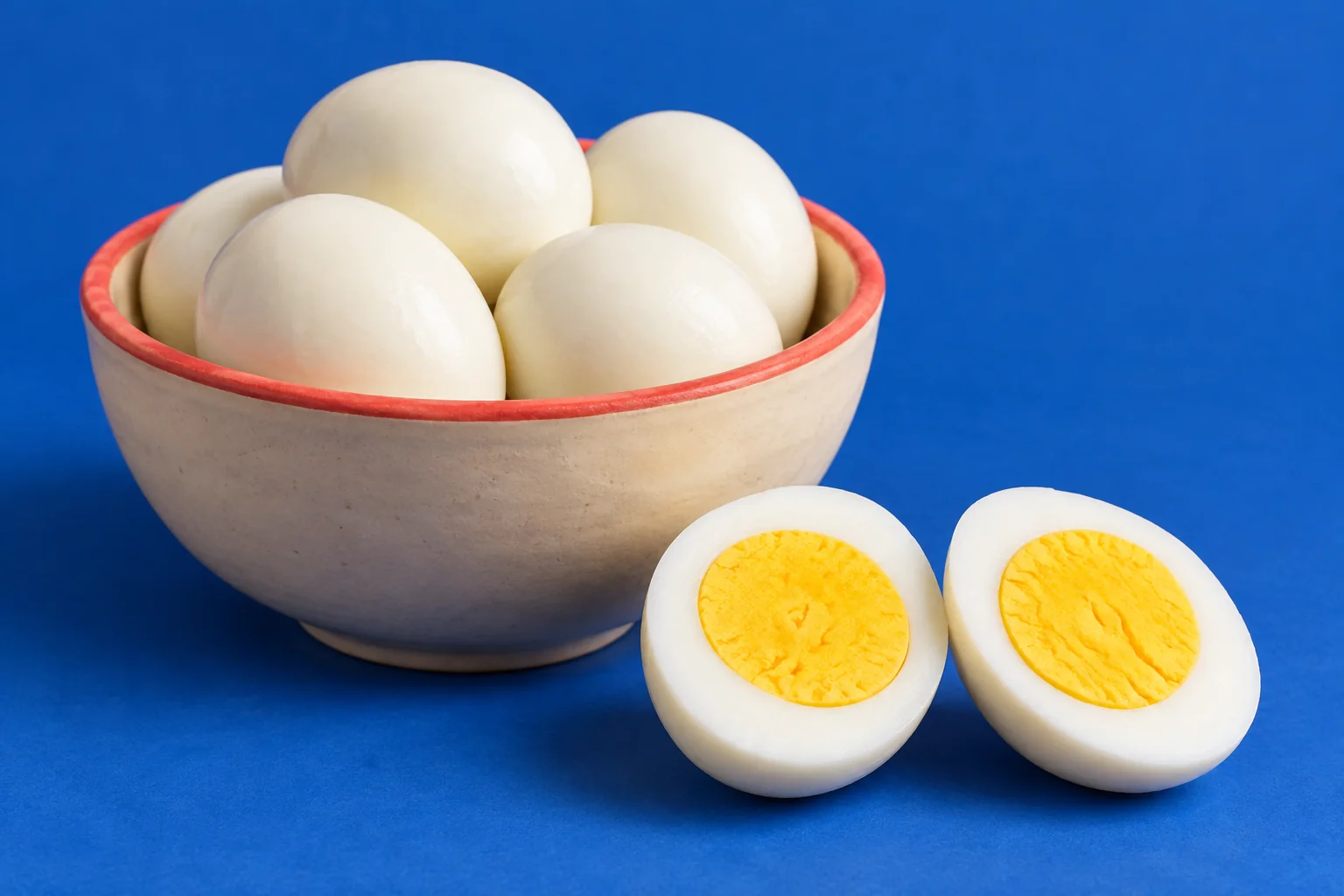
Very fresh eggs can be harder to peel. Work gently after cooling rather than tearing away large pieces of white; perfect appearance is less important than proper cooking and storage.