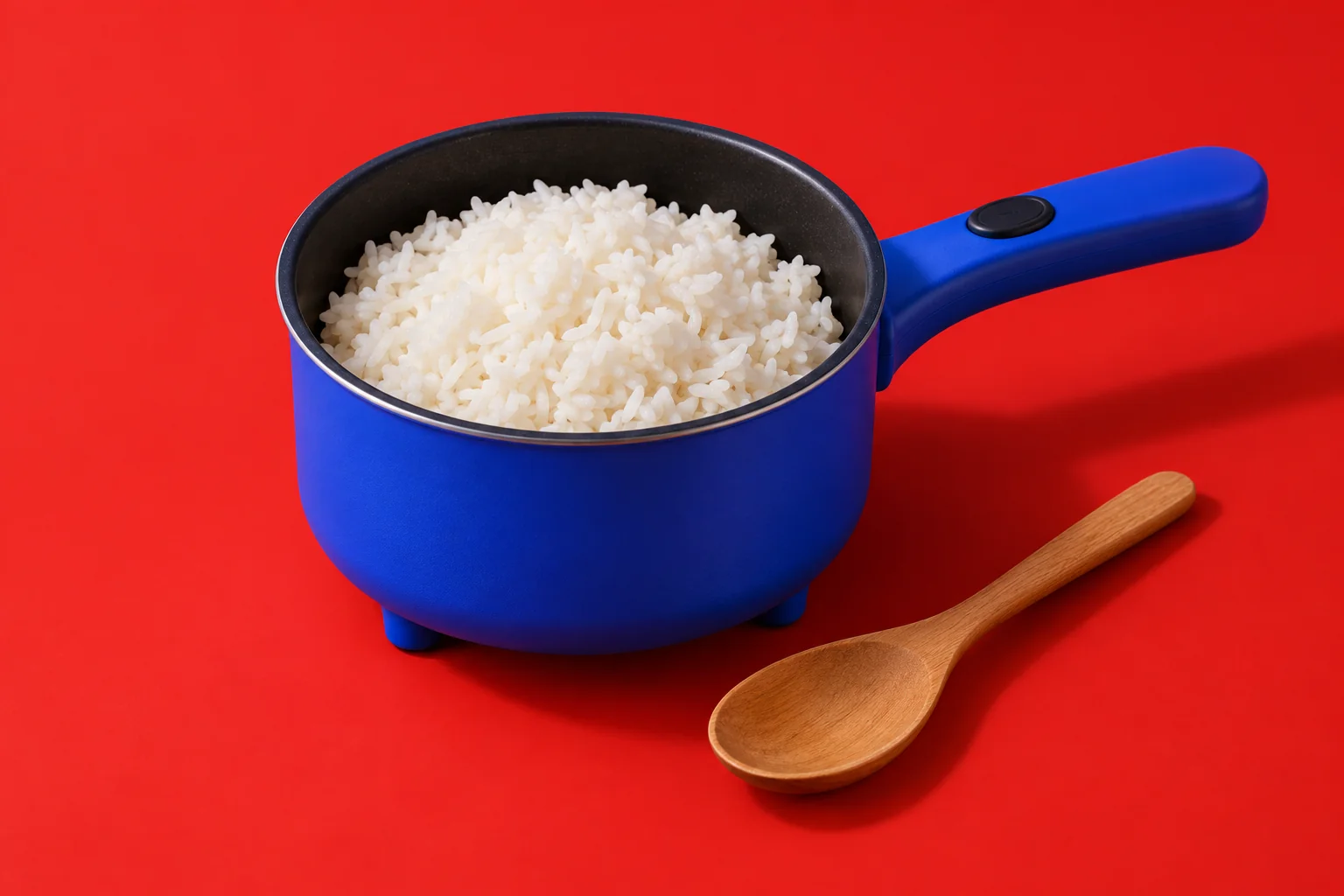
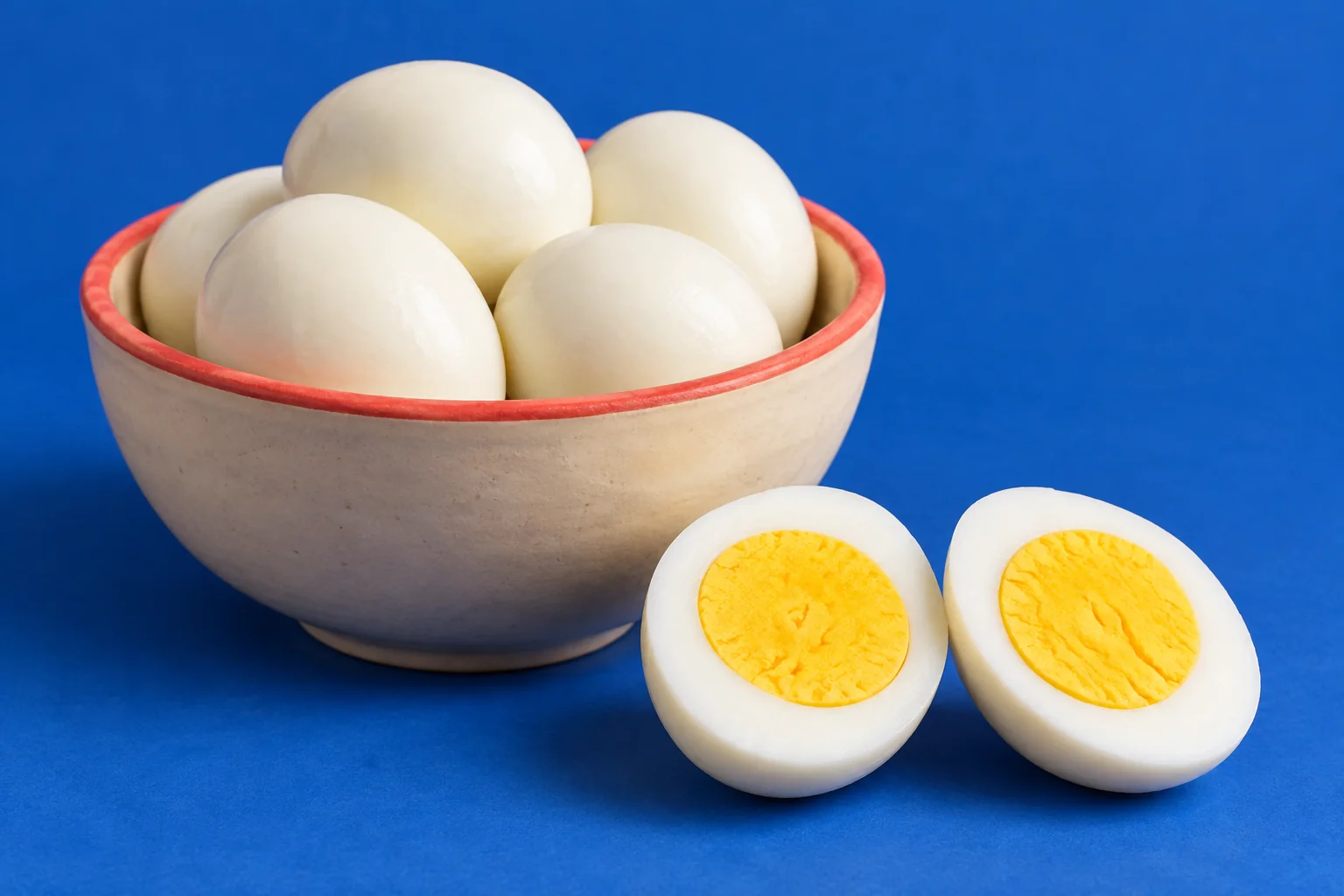
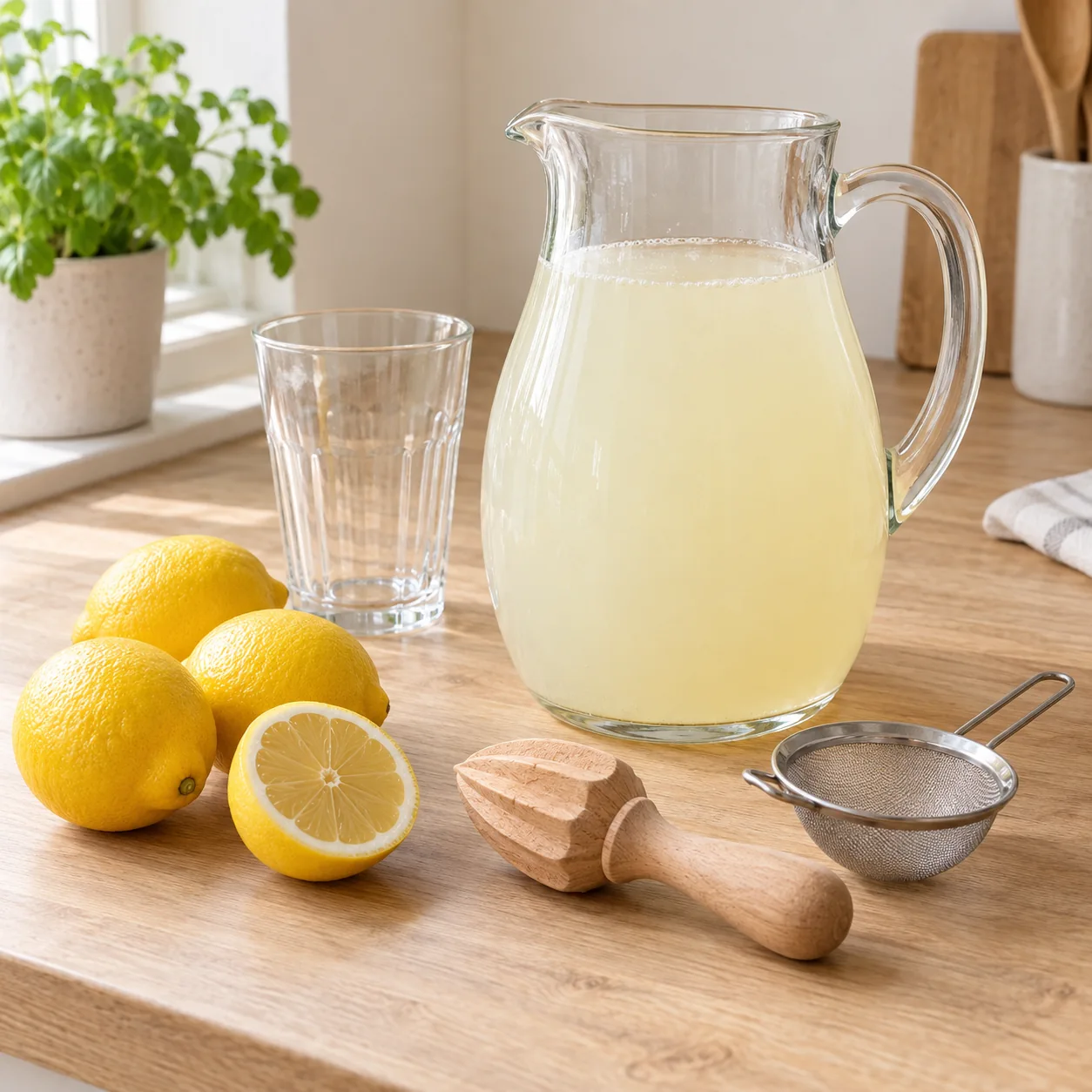
Enclose a modest amount of filling, tuck in the sides, and finish with the seam underneath. Arrange the rolls seam-side down in the cooking pot. The Mediterranean Dish also places a small heat-safe plate over its compact rice-filled rolls during the first part of cooking to hold them in place. Follow that complete recipe’s liquid and timing directions, and remove the hot plate carefully with suitable tools rather than reaching into the pot.
Look for dangmyeon made from sweet potato starch. They become nearly transparent when cooked and provide japchae’s characteristic chewy strands. Maangchi suggests mung-bean cellophane noodles or Chinese glass noodles as an emergency substitute. Read the ingredient list because similar-looking clear noodles can use different starches. Follow the replacement package’s cooking directions rather than assuming its timing matches thick sweet-potato noodles, and expect some change in the finished texture.
For less slippery okra, choose smaller pods and consider leaving them whole rather than slicing them into many rounds. The Mediterranean Dish also sautés the okra before adding tomatoes, then finishes the stew with lime or lemon juice. These choices can reduce the effect without eliminating okra’s natural thickening character. Cook to the tenderness you prefer instead of extending the simmer unnecessarily. If using its frozen-okra version, add the frozen pieces directly as the recipe instructs.
Drain and rinse the beans, then measure one and a half cups into a food processor. Add two tablespoons each of olive oil and fresh lemon juice, half a teaspoon each of lemon zest and salt, a small garlic clove, and black pepper. Blend smooth, adding two to four tablespoons of water gradually if needed. Taste before adding more salt or lemon. This makes a lemony dip for vegetables or bread, or a spread for a sandwich.
Pearling removes part of the grain’s bran, allowing pearl barley to soften more quickly. Pot barley is polished less and retains more bran, so the names should not be treated as identical cooking instructions. Check which product your recipe and package specify before planning a soup or grain side dish. Follow its cooking directions and judge tenderness instead of using another barley’s time. Pearl barley can retain a pleasant firm bite without having a hard, uncooked center.
A countertop model is usually the better choice for frequent frozen drinks or ice crushing, provided its manual permits those tasks. An immersion blender is convenient when you want to blend directly in a suitable pot or cup without transferring food to a separate jar. KitchenAid highlights that distinction, but individual models differ. Check capacity, allowed ingredients, and hot-liquid instructions before choosing; a handheld blender does not automatically have the same capabilities as a powerful jar blender.
Use an extra-coarse grater when you want distinct carrot shreds rather than very fine particles. Microplane lists its extra-coarse blades for carrots, cabbage, and similar slaw ingredients, while a fine zester is intended for much smaller shavings such as citrus zest. Match the blade to the texture your dish needs. Support the grater securely and stop before your fingers approach the cutting surface; a compatible food guard can help with smaller pieces.
Choose a braiser when a broad cooking surface and shallower sides suit the food: searing pieces in one layer, reducing sauce, or cooking a shallow covered braise. Its wide base gives ingredients more contact with the pan, and its lid holds moisture during covered cooking. A tall Dutch oven is more useful when you need greater depth for a large quantity of soup or stew. Compare usable surface area and depth, not only the stated quart capacity.
Optional supplies on Amazon
Affiliate disclosure: As an Amazon Associate I earn from qualifying purchases. How our links work.
No. American-style chili powder is usually a blend of ground chile with ingredients such as cumin, garlic, and oregano; cayenne is a much hotter single-pepper powder. A spoon-for-spoon swap can overwhelm the dish and omit the other seasonings. Read the label, because chili powder can mean different products in different countries. For a missing blend, use a specified spice-blend substitute and add cayenne only in small amounts to control the heat.
For a practical approximation, combine half a teaspoon of cinnamon with a quarter teaspoon each of nutmeg and ground cloves. The Spice House suggests this blend to echo allspice’s warm flavor, though it is not identical. Allspice itself is a single dried berry, not a general name for mixed spices. Use the measured blend in the recipe rather than adding a full teaspoon of each component, which would triple the seasoning.
Whole berries suit a liquid you can strain, such as stock or spiced cider. Put them in a removable spice sachet or strain them out before serving. Ground allspice is more convenient when the seasoning needs to stay evenly distributed through cake batter, cookies, or a sauce. The two forms serve different purposes: whole berries provide removable flavoring, while the powder becomes part of the dish. Follow the recipe’s amount for the form it specifies.
McCormick suggests one tablespoon of Dijon for each teaspoon of ground mustard as a practical substitute. That works best where the added liquid can fit, such as a sauce or dressing. Prepared mustard also contributes its own acidity and salt, so taste before adding more of either. It is not a dry ingredient and should not be substituted casually in a dry rub. Dry mustard, powdered mustard, and ground mustard refer to the powdered spice.
Lemon zest gives a dry citrus aroma, while lemon juice or vinegar supplies tartness where extra liquid is welcome. Start with a small amount and taste; neither reproduces sumac exactly. The Spice House also suggests za’atar, but check its ingredients because it brings herbs, sesame, and sometimes salt as well as sumac. For a dry sprinkle over a finished dish, avoid pouring on a large quantity of liquid merely to match the original spoon measurement.
They come from the same fruit but are different parts: nutmeg is the seed, while mace is the lacy covering around it. The Spice House describes mace as sharper and less sweet, with nutmeg offering a warmer, sweeter aroma. If a recipe specifies one, use that form for its intended flavor rather than assuming the names are interchangeable. Both can appear in sweet or savory food, so the dish’s name alone does not tell you which it needs.
Different cinnamon varieties have different intensity. The Spice House describes Ceylon as delicate and suited to milk, custard, and cooked fruit, while cassia varieties such as Saigon have a bolder, spicier character. A change of variety can therefore change a familiar recipe even when you measure the same amount. Choose the flavor you want and adjust thoughtfully on later batches instead of assuming a milder jar must be stale or defective.
Choose according to the texture you need. A blender’s tall jar and blade arrangement suit liquid mixtures and very smooth purées; a food processor’s wider bowl and interchangeable discs suit chopping, slicing, and shredding. Hummus and some other dips can work in either. Check the individual appliance’s capabilities, since attachments and limits vary. If you want carrot shreds for a salad, use a shredding disc; if you want those carrots blended into a smooth liquid, choose a suitable blender.
Look for a firm, low-moisture mozzarella intended for cooking, rather than choosing solely by the word mozzarella. Galbani’s cooking block, for example, is made for grating, slicing, and melting with less water release. The firmer block is convenient when you want an even layer of shredded cheese. Follow your pizza recipe’s specified cheese and quantity where possible; choosing a drier cheese helps control one source of moisture, but an overloaded sauce or other wet toppings can still affect the crust.
Bread gives this style of gazpacho more body. Use day-old white bread with the crust removed, soak it in water, and squeeze out the excess before blending it with the tomatoes and vegetables. That preparation avoids hard crust pieces and uncontrolled extra water. Follow the quantities in a complete gazpacho recipe, then thin the blended soup gradually if necessary. The Mediterranean Dish also allows omitting the bread when you prefer a lighter vegetable soup.
Red wine vinegar is an option in The Mediterranean Dish’s gazpacho recipe. Start with the recipe’s measured amount, blend it into the tomatoes, vegetables, and olive oil, then taste and adjust instead of pouring in a large splash. Ripe, flavorful tomatoes matter because this soup has little cooking to disguise weak ingredients. Chill the finished soup before serving and stir it again; a vinegar substitution changes the flavor, so judge the whole soup rather than the vinegar alone.
Coat the cutlet lightly in flour, shake off the excess, dip it into beaten egg, then cover it with breadcrumbs. For chicken katsu, gently press the panko onto the surface and shake away loose flakes. Set out separate shallow dishes in that order before starting so you do not accidentally skip a layer. Just One Cookbook’s method also mixes a little oil into its beaten egg; follow its stated proportions if using that variation.
The preliminary simmer removes surface sugars that could brown too quickly, while the vinegar helps the potato pieces stay intact during that cooking step. RecipeTin Eats uses it with floury potatoes such as russets, followed by drying and two frying stages. Treat those stages as a complete method, not an invitation to drop wet boiled potatoes straight into hot oil. Use the recipe’s potato size, measured vinegar, gentle simmer, and batch instructions for consistent results.
Do not transfer a method intended for thin strips directly to a whole steak. RecipeTin Eats explains that baking soda can over-soften the outside before it affects the center of a thick piece. That treatment is intended for economical sliced beef used in quick cooking, and is unnecessary for an already tender premium cut. For a whole steak, choose a preparation specifically written for its cut and thickness instead of increasing the soda or extending the time.
Salmorejo is generally thicker and more spoonable, built around ripe tomatoes, bread, olive oil, and garlic. Gazpacho commonly includes cucumber and green pepper and is often thin enough to drink. The Mediterranean Dish’s salmorejo blends the bread directly with the tomatoes, adding only enough cold water to adjust the texture, then chills it. Choose salmorejo when you want a creamy tomato soup without adding cream; ham and chopped boiled egg are optional toppings rather than ingredients necessary for that texture.
The cooked carrots themselves can provide the body when thoroughly puréed with broth. Love and Lemons’ carrot ginger soup uses a pound of carrots with three cups of vegetable broth, plus sautéed onion, garlic, ginger, olive oil, and a little cider vinegar. The carrots simmer until softened before blending. Choose a complete recipe with that balance, then add water gradually if the finished soup is too thick. Coconut milk is an optional garnish in that version, not the thickening ingredient.