After cooking and draining the sweet potato starch noodles, cut through them a few times with kitchen scissors before tossing with the seasoning. Maangchi then adds sesame oil and seasonings to help coat and separate them. Shortening the very long strands makes mixing with vegetables more manageable. Use the noodle package and recipe as your cooking guide rather than treating them as wheat spaghetti.
Add more water and continue gently simmering and stirring until the rice cakes reach the intended chewy softness. Fresh and previously frozen cakes do not soften at the same speed. Maangchi recommends thawing and soaking frozen ones first. Watch the cakes themselves instead of reducing the sauce to a paste while assuming the listed cooking time must be enough for every package.
Yes, if you cut them into thin narrow strips that cook quickly and keep the recipe’s overall vegetable and batter proportions. Maangchi suggests options such as cabbage, carrot, and bell pepper, while discouraging watery cucumber. The vegetables should be lightly bound into a pancake, not buried in a deep layer of batter. Choose manageable pieces rather than large chunks with different cooking times.
Oil may not be reaching the middle of the pancake. Lift one edge slightly with a spatula and tilt the pan so some cooking oil flows underneath, then continue cooking at the recipe’s heat. Maangchi also warns that low heat lets vegetables release water without crisping. Spread the batter evenly, and make smaller pancakes if the pan is difficult to manage.
On the conventional GE models described in this guide, a lower setting controls how much of the cooking time the microwave energy is on. Level seven, for example, supplies energy for about seventy percent of the time. That cycling can be normal operation. Check the instructions for your exact model, because the way reduced power is delivered can differ between microwave designs.
Fats and sugars can heat quickly, so a topping may overcook while the rest of the dish is still warming. GE suggests a lower power level or adding such toppings partway through the cooking time. Follow a suitable recipe and account for the food’s amount and starting temperature. Simply repeating a long full power cycle can make the topping problem worse.
Yes. Check the knob as well as the pot and lid before using a high temperature recipe. Le Creuset’s guide lists its enameled cast iron as oven safe to 500°F, but limits the black phenolic Classic knob to 390°F. Other knobs and product generations can have different ratings. Identify the actual fitted component instead of assuming every lid shares the pot’s limit.
The manufacturer says cooking sprays, especially aerosols, can leave residue that accumulates and reduces the coating’s release performance. For its ceramic nonstick cookware, use a little suitable oil or butter instead and cook over low to medium heat. Avoid heating the pan empty. A pan that starts sticking needs appropriate cleaning and temperature control, rather than repeated layers of spray over the residue.
Their limits differ. All-Clad’s hard anodized ceramic nonstick instructions allow the cookware up to 450°F, while the glass lid is limited to 350°F. The ceramic cookware is not intended for a broiler. Identify your cookware series and check its own instructions before transferring a covered pan to the oven; ratings from a different All-Clad collection are not automatically interchangeable.
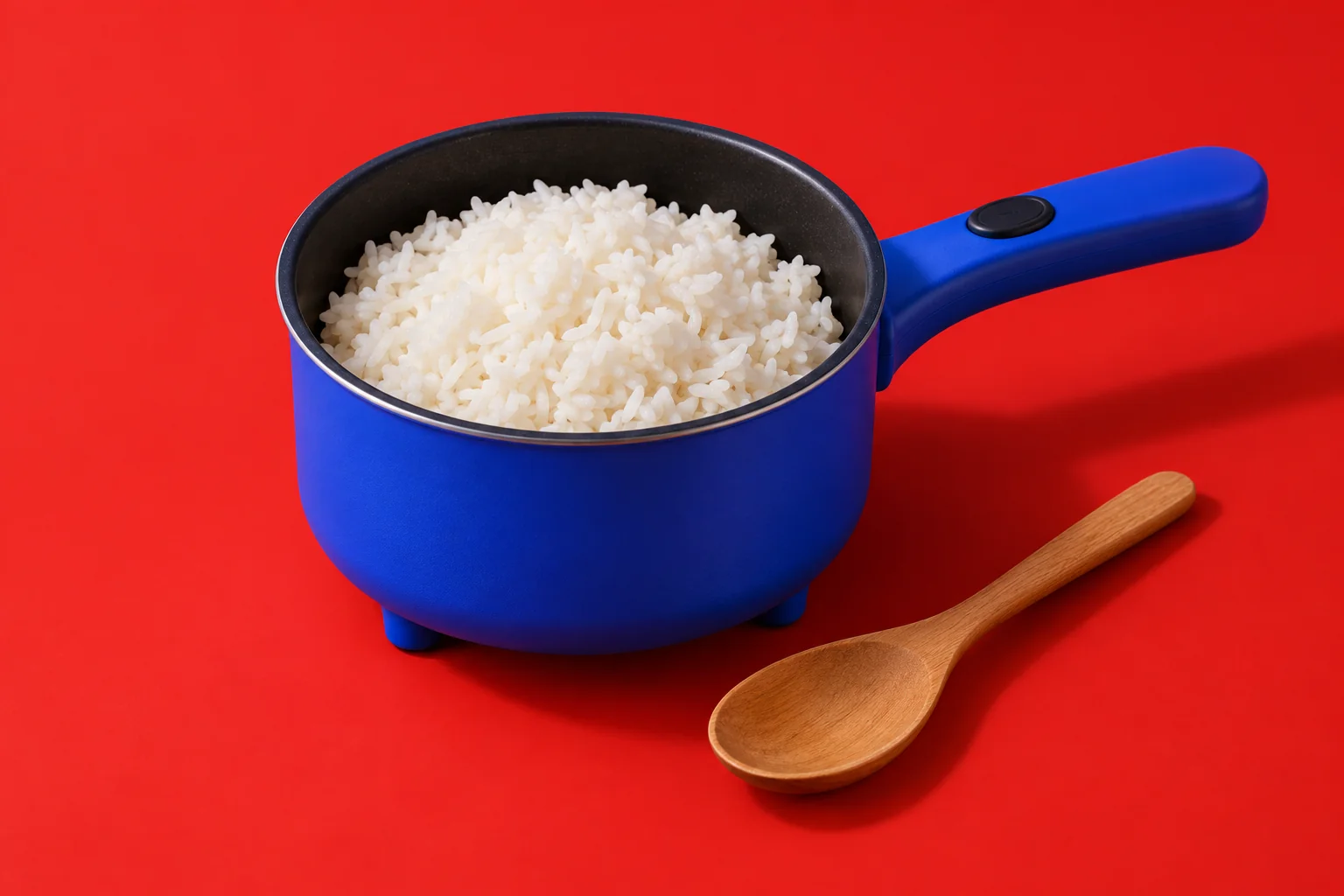
On the NW-JEC model, they are intended for different results and rice types. Porridge makes a thicker Japanese style preparation with short or medium grain white rice, while Congee makes a thinner preparation with jasmine white rice. Use the matching menu, grain, and water guidance in your manual. Substituting the setting alone can change the consistency you expected from the recipe.
For the NL-GAC instructions, chop additions into small pieces and distribute them over the rice without mixing them through it. Seasonings are handled differently: combine them with stock or water, add that liquid, adjust the water level, and stir thoroughly before arranging the solid ingredients. Follow the model’s mixed rice quantity limits so the additions do not interfere with proper cooking.
Check the menu’s capacity, because the headline size is not the limit for every preparation. The NS-LGC05 allows up to three supplied cups of plain white rice but only two for mixed rice. These quantities refer to uncooked rice measured with the included cup. Reduce the recipe to the mixed rice allowance rather than filling to the largest white rice mark.
For the ICE-30 bowl, gently shake it and listen for liquid moving within its walls. The manual says the cooling liquid is frozen when you no longer hear it moving. Allow the full recommended freezing period in a suitable freezer before using it. A cold exterior alone does not establish that the reservoir is ready to freeze a batch of ice cream.
Lay the seaweed shiny side down, spread the rice evenly, and leave a strip uncovered at the far edge. Place the prepared filling across the middle. Lift the near edge with the mat, then keep pulling the mat clear as you roll and gently compress the food. Finish with the seam underneath so it can settle against the board and seal.
Optional supplies on Amazon
Affiliate disclosure: As an Amazon Associate I earn from qualifying purchases. How our links work.
Use a sharp knife and clean rice starch off the blade with a damp cloth or paper towel between cuts as needed. Maangchi lightly coats the completed roll with toasted sesame oil before slicing. Make controlled cuts rather than forcing a sticky blade through the roll. The clean edge moves more freely and is less likely to pull the filling along.
Cook the other stir fry components first and remove them from the pan. Toss the prepared noodles briefly with their sauce in the cleared hot pan, then return the cooked components just to combine. This gives noodles room to brown without prolonged stirring. Prepare them close to cooking time and handle them gently; some shorter pieces are normal for this dish.
Yes. RecipeTin Eats uses wide dried rice sticks when fresh Sen Yai noodles are unavailable. Prepare them according to their package, drain, and time that step so they are ready just before stir frying. Choose wide flat noodles rather than very fine vermicelli. Fresh and dried noodles have different weights and preparation needs, so use the recipe’s stated substitution quantities.
Briefly sauté the paste with fresh aromatics before adding the main liquids. The cited recipe uses garlic, ginger, and lemongrass to refresh a jarred paste, then cooks it until fragrant and a little drier. Add broth next to loosen it into the sauce. Check seasoning near the end, because prepared pastes differ in saltiness, strength, and heat between brands.
Not necessarily. In the cited Thai red curry method, some oil separation is an expected part of the sauce, unlike an accidentally broken cream sauce. Look at the recipe’s intended finish before trying to whisk every trace of oil back in. Coconut milk brands and reduced fat substitutions can also change appearance, so match the specified ingredients when comparing results.
Check both the dough and the frying setup. Poori dough should be firm, well kneaded, and rolled into even discs; thick patches interfere with puffing. The oil also needs to be hot enough for the bread to rise promptly. Use the recipe’s temperature guidance and adjust between batches. Making the dough soft like chapati dough can make it harder to handle.
Lightly oil the dough and rolling pin instead of repeatedly dusting them with flour. Dassana uses this approach to prevent flour particles from falling into the frying oil and turning dark. Keep the dough firm enough to roll with only a light coating. If it is excessively sticky, address the dough consistency rather than burying each disc under bench flour.
Roast the semolina as directed first, then add it to the hot seasoned water in several small batches. Stir thoroughly as each portion enters before adding the next. In the cited method, the liquid reaches a boil and the heat is then lowered for this stage. Dumping all the semolina in at once makes it much harder to distribute evenly.
Reduce the tomato and pepper sauce before adding the eggs. Love and Lemons simmers it uncovered over low heat, stirring often, until it has thickened enough to make distinct wells. Adding eggs to a thin sauce leaves little opportunity for a long reduction afterward. Use the recipe’s tomato quantity and consistency as your guide rather than relying only on a timer.
The batter should flow freely as you tilt the pan, leaving a thin layer with delicate edges. If it behaves like thick breakfast pancake batter, adjust its consistency using the recipe’s guidance. After the covered steaming stage, uncover the pan so moisture can escape and the bottom can crisp. Keeping the lid on throughout traps the steam needed earlier in cooking.