A blocked bowl is stressful, especially without the usual tool. Begin by preventing an overflow, then decide whether a gentle attempt makes sense.
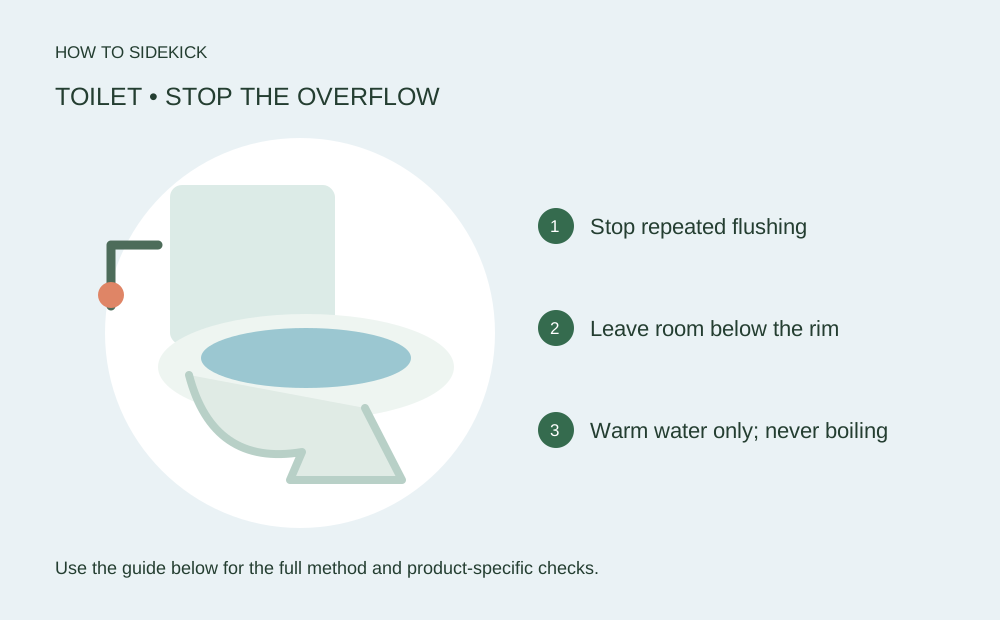
Stop flushing and control the water first. If the bowl has room, no drain chemicals have been added and the blockage is probably paper, dish soap and warm—not boiling—water may help. A solid object or repeated backup needs another approach.
Go straight to the stepsYour project helper
Keep track as you go 0/4
Check off what you have verified. This list resets when you leave the page.
Before you begin
If sewage is backing up in several fixtures, stop using the plumbing and call a plumber. Do not add anything to a bowl containing drain cleaner, bleach or an unknown cleaning product.
What you’ll need
- Protective gloves
- Dish soap
- Container of warm water
- Old towels
- Optional toilet-specific auger or plunger
Optional tools & supplies
Affiliate disclosure: We may earn a commission when you buy through these links. How our links work.
Use what you already have. Choose supplies that fit your task, and check instructions and current prices.
 Dawn Platinum Original dish soap, 56 ozLowe’s · Product
Use only where the surface or appliance maker permits dish soap. Follow dilution and rinsing directions.
 Korky Beehive toilet plunger with caddyLowe’s · Product
A toilet-shaped plunger for a next attempt or future clogs; not required for the soap-and-warm-water method.
Let’s do this
Step by step
- 01
Prevent another flush
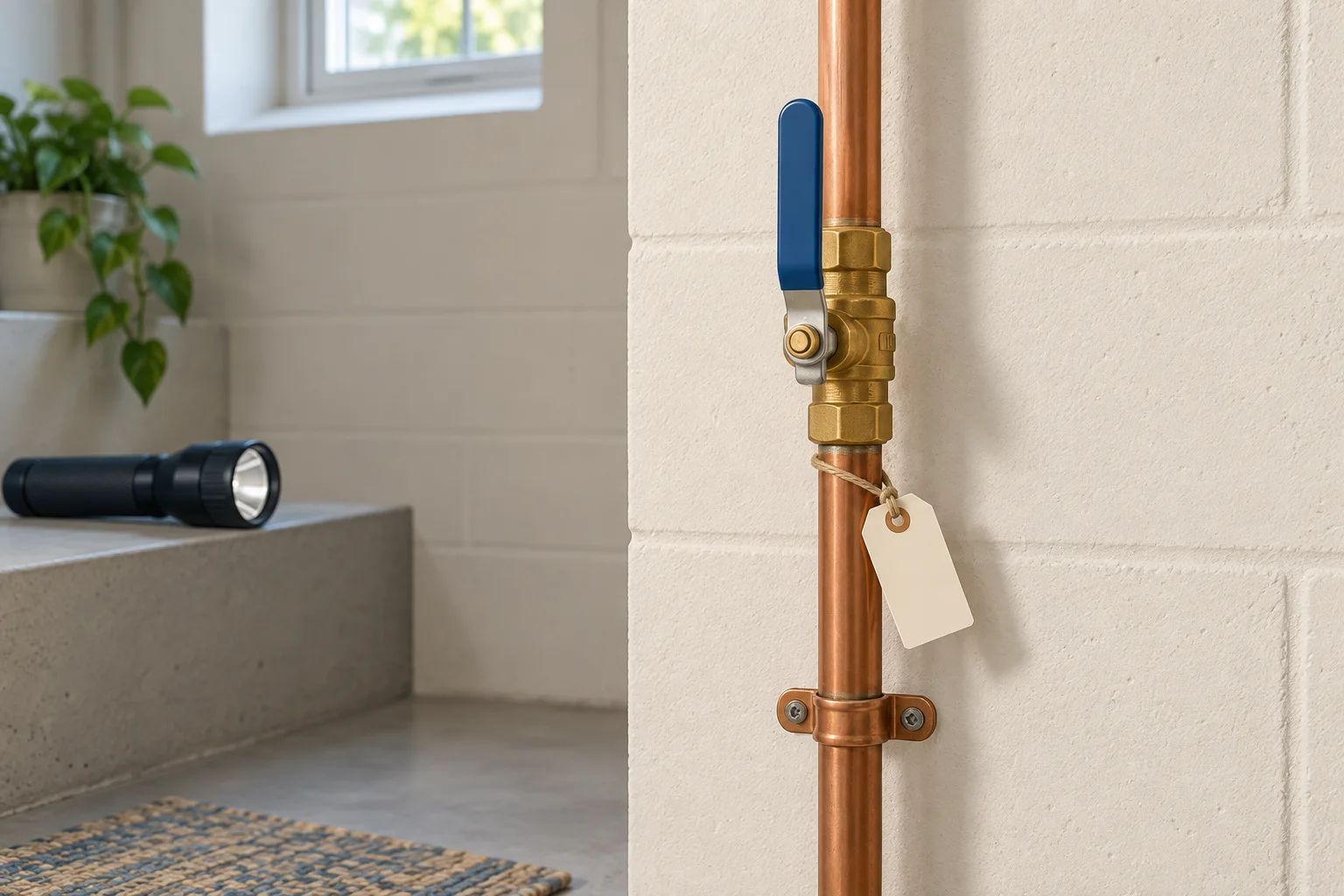
Turn the toilet’s supply valve clockwise gently. Do not force a seized valve. Keep everyone from using the toilet while you work, and protect the floor from splashes.
- 02
Check the water level and likely cause
Wait for a high bowl to drain down. Do not pour water into a bowl near the rim. A toy, hygiene product or other object will not dissolve; avoid forcing it deeper.
- 03
Try soap and warm water for a minor paper clog
Add a modest amount of dish soap and, only with plenty of room in the bowl, slowly add warm tap water. Never use boiling water, which may crack porcelain. Give the mixture at least 30 minutes to work.
- 04
Check drainage before restoring normal use
If the level drops, cautiously add a small amount of water and watch for free drainage. Stop if it rises. Restore the supply and test one flush only after drainage appears normal, staying ready to stop it.
- 05
Switch tools rather than repeating endlessly
If nothing improves, use a toilet-specific auger according to its instructions or get help. A proper closet auger protects porcelain better than an improvised wire hanger. A plunger is also worth keeping for next time.
When to skip the home remedy
Repeated clogs, a blocked main line, a suspected object or overflow into other drains deserve diagnosis. Soap is a limited first attempt, not evidence that the underlying plumbing is clear.
Choose the right backup tool
The optional plunger is for future use or the next attempt. You do not need to buy it to follow the soap method, and a replacement toilet is not the first response to an ordinary clog.
A quick final check
- Flushing stopped
- Bowl has safe space
- No cleaning chemicals already present
- Drainage checked before a test flush
Common questions & sticking points
Should I keep flushing to build pressure?
No. Another flush can overflow a blocked bowl.
Can I mix vinegar, bleach and drain cleaner?
No. Do not combine cleaning chemicals. If a cleaner is already present, tell the plumber exactly what it is before any further work.
Sources & further reading Optional
References used to check this guide. Follow your product’s own safety instructions where its design differs.
Last source check: September 24, 2026