A stripped drive recess is different from a snapped screw or a screw turning freely in a damaged hole. This guide deals with a head your driver can no longer grip. Each failed high-speed attempt removes more of that recess, so pause before escalating.
Stop the slipping driver, inspect the head, then choose the least destructive method that still has a secure grip.
Go straight to the stepsBefore you begin
Isolate power before working on an appliance or electrical fitting. Do not drill blindly into a wall or unknown assembly. Wear eye protection and secure loose workpieces.
What you’ll need
- Correct-size screwdriver or driver bit
- Eye protection
- Cardboard to protect the finish
- Locking pliers for an exposed head
- Optional screw extractor matched to the screw
Let’s do this
Step by step
- 01
Inspect and clean the recess
Remove loose paint or debris carefully, then check whether the bit actually matches the drive shape and size. A Phillips, Pozidriv, square or Torx head needs its intended bit. Test the fit by hand before using power.
- 02
Try a controlled manual turn
Keep the screwdriver square to the head, press firmly and turn slowly counterclockwise for an ordinary right-hand screw. A wide rubber band over a lightly damaged recess can sometimes improve grip. If it slips again, stop rather than polishing the head smooth.
- 03
Grip an exposed head if accessible
Protect the nearby finish and clamp locking pliers securely around a head or shank that protrudes enough to grip. Turn slowly without levering sideways against the surface. If the head is flush, do not gouge surrounding material just to force the pliers in.
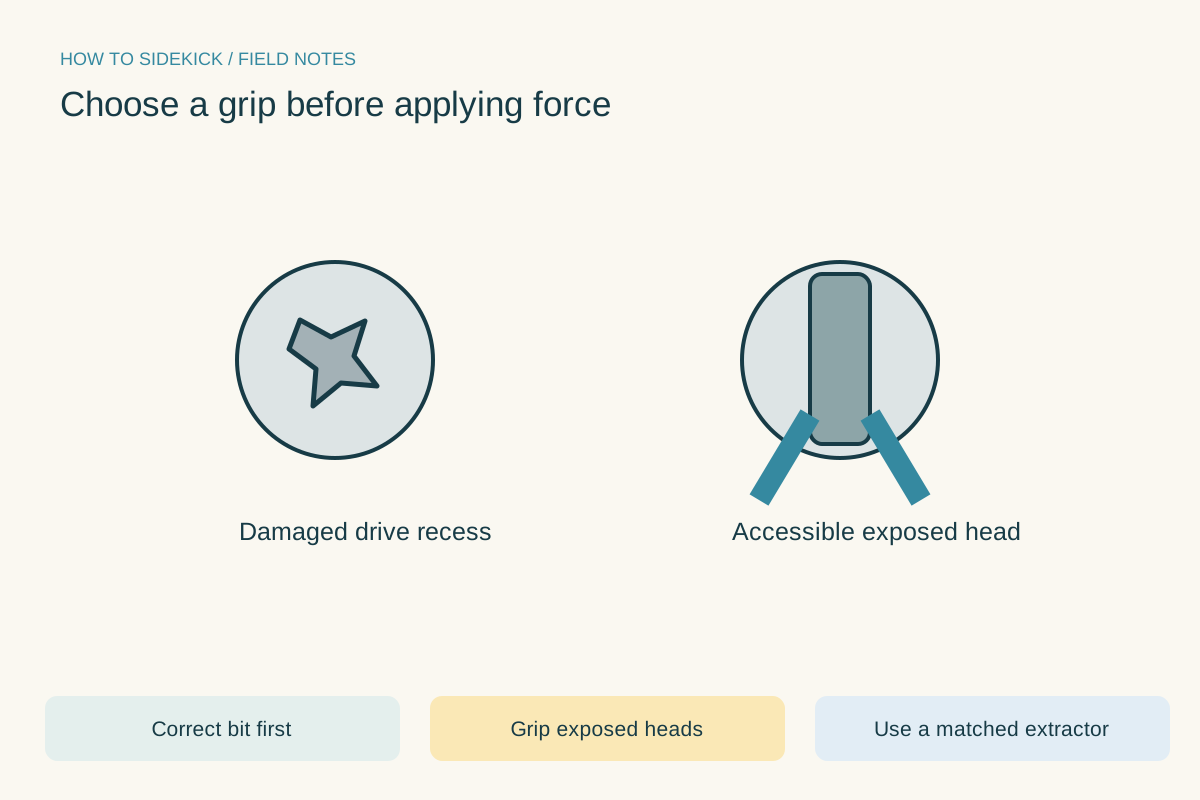
Choose a grip before applying force. Use the instructions below for the full procedure.Open full-size image - 04
Use a matched extractor when necessary
Read the extractor kit’s directions before drilling. Choose the specified pilot/burnishing and extraction sizes, directions and speeds; different designs differ. Center the tool and work slowly. Stop if it slips, bends or feels likely to snap.
- 05
Inspect the hole before replacement
Remove loose debris, check the original hole and use the specified replacement fastener. Do not force a larger screw into hardware or a structural connection without knowing the requirements. Resolve poor alignment or an undersized pilot hole before fitting another screw.
When to stop
A broken hardened extractor can be harder to remove than the original screw. Get help for delicate mechanisms, badly corroded structural fasteners or screws beside hidden services. Grinding a fresh slot introduces sparks and surface damage and is not the beginner fallback here.
A quick final check
- Drive type checked
- Finish protected
- Work secured
- Damaged fastener replaced
Common questions & sticking points
Will a rubber band always work?
No. It may help minor drive damage but cannot restore a completely rounded recess or release a heavily seized screw.
Can I reuse the removed screw?
Replace a damaged fastener with the correct specification. Reusing a stripped head makes the next removal harder.
Sources & further reading Optional
References used to check this guide. Follow your product’s own safety instructions where its design differs.
Last source check: September 24, 2026